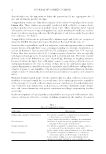
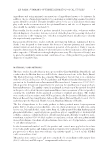
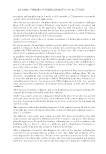
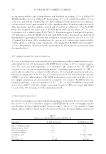
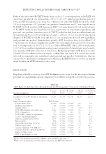
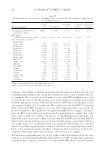
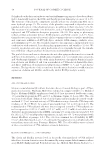
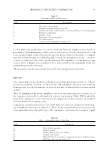
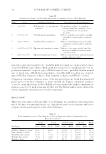
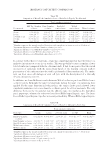
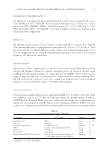
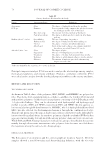
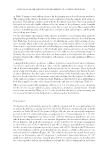
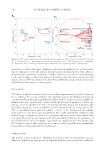
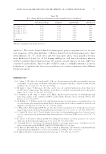
JOURNAL OF COSMETIC SCIENCE 64 Table IV Classifi cation System Used for the Interpretation of Cumulative Scores of Test Materials Rank Score Indications from test Description of observed response 1 0 to 70.71 Mild material—no experimental irritation Essentially no evidence of cumulative irritation under the conditions of test (i.e., continuous at concentration specifi ed) 2 70.71 to 285 Probably mild in normal use Evidence of slight potential for very mild cumulative irritation under conditions of test 3 285 to 640.71 Possibly mild in normal use Evidence of moderate potential for mild cumulative irritation under conditions of test 4 640.71 to 829.29 Experimental cumulative irritant Evidence of strong potential for mild to moderate cumulative irritation under conditions of test 5 829.29 to 900 Experimental primary irritant Evidence of potential for primary irritation under conditions of test Table V Total Cumulative Scores of Test Materials in Various Types (Standardized Cumulative Score Based on n = 24/25) Patch type Cream Lotion 2% bath cream 1% SLS Blank Score Rank Score Rank Score Rank Score Rank Score Hill Top Chamber occlusive 21.12 1 184.32 2 502.08 3 817.92 4 83.52 Finn Chamber occlusive 25.92 1 192 2 293.76 3 768.96 4 61.44 Band-Aid semiocclusive 15.36 1 56.64 1 245.76 2 722.88 4 61.44 Webril semiocclusive 8.64 1 20.16 1 16.32 1 504.96 3 7.68 Webril occlusive 20.16 1 67.2 1 485.76 3 807.36 4 22.08 material. Lotion was revealed to be “probably mild in normal use” in most patch types, except for Webril semiocclusive. Bath cream was revealed to be “mild material—no ex- perimental irritation” in patch type of Webril semiocclusive, “probably mild in normal use” in patch type of Band-Aid semiocclusive, “possibly mild in normal use” in patch type of Hill Top Chamber occlusive, Finn Chamber occlusive, and Webril occlusive. Comparing cumulative irritation scores of the fi ve patch types, we found that among all patch types (i) the Finn Chamber occlusive showed the highest cumulative irritation scores for cream and lotion. (ii) The Webril occlusive showed the highest cumulative ir- ritation scores for 2% bath cream and 1% SLS. (iii) The Webril semiocclusive showed the lowest cumulative irritation scores for all test materials. DISCUSSION There were two purposes for our study: (i) to determine the cumulative irritation poten- tial of the three test materials by the use of predictive patch test techniques and (ii) to compare the fi ve patch types in terms of their irritancy.

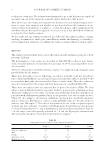
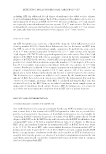
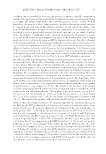
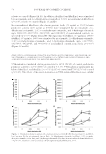
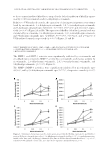
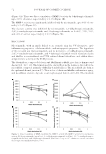
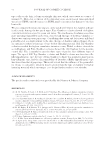
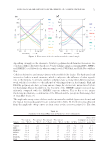
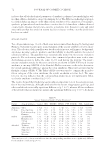
IRRITANCY PATCH TEST COMPARISON 65 Table VI Comparison of Mean Total Cumulative Scores of Each Patch Type by Test Material Test material Total cumulative irritationa Hill Top Chamber occlusive Finn Chamber occlusive Band-Aid semiocclusive Webril semiocclusive Webril occlusive Cream 0.92 ± 2.08 1.13 ± 1.75 0.67 ± 2.01 0.38 ± 0.82b 0.88 ± 3.08 Lotion 8.00 ± 8.75 8.33 ± 7.22 2.46 ± 6.10b,c 0.88 ± 2.13b,c 2.92 ± 5.52b,c,d 2% Bath cream 21.79 ± 5.21 12.75 ± 8.01c 10.67 ± 7.27c 0.71 ± 1.30b,c,e 21.08 ± 8.21b,d,e 1% SLS 35.50 ± 1.06 33.38 ± 2.20c 31.38 ± 2.90b,c 21.92 ± 8.13b,c,e 35.04 ± 1.00b,c,d,e Blank 3.63 ± 2.81 2.67 ± 5.14c 2.67 ± 3.64 0.33 ± 1.09b,c,e 0.96 ± 1.37c,d,e a Numbers represent the mean ± standard deviation total cumulative irritation score (n = 24 subjects). b Signifi cant difference versus Finn Chamber occlusive (p 0.05). c Signifi cant difference versus Hill Top Chamber occlusive (p 0.05). d Significant difference versus Webril semiocclusive (p 0.05). e Significant difference versus Band-Aid semiocclusive (p 0.05). Table VII Comparison of Mean Total Cumulative Scores of Each Test Material by Patch Type Patch type Total cumulative irritationa Cream Lotion 2% bath cream 1% SLS Blank Hill Top Chamber occlusive 0.92 ± 2.08 8.00 ± 8.75b 21.79 ± 5.21b,c 35.50 ± 1.06b,c,d 3.63 ± 2.81b,c,d,e Finn Chamber occlusive 1.13 ± 1.75 8.33 ± 7.22b 12.75 ± 8.01b,c 33.38 ± 2.20b,c,d 2.67 ± 5.14c,d,e Band-Aid semiocclusive 0.67 ± 2.01 2.46 ± 6.10b 10.67 ± 7.27b,c 31.38 ± 2.90b,c,d 2.67 ± 3.64b,d,e Webril semiocclusive 0.38 ± 0.82 0.88 ± 2.13 0.71 ± 1.30 21.92 ± 8.13b,c,d 0.33 ± 1.09e Webril occlusive 0.88 ± 3.08 2.92 ± 5.52b 21.08 ± 8.21b,c 35.04 ± 1.00b,c,d 0.96 ± 1.37d,e a Numbers represent the mean ± standard deviation total cumulative irritation score (n = 24 subjects). b Significant difference versus cream (p 0.05). c Significant difference versus lotion (p 0.05). d Significant difference versus 2% bath cream (p 0.05). e Significant difference versus 1% SLS (p 0.05). In contrast with other test materials, cream was a mild material that had the lowest cu- mulative irritation test scores in our studies. This was probably because cream has a lower level of surfactant compared with the other materials. It had been reported that the initial interaction of surfactant with the intercellular lipids of the stratum corneum leads to penetration of the surfactant into the viable epidermal cell layer underneath. The surfac- tant can then cause cell damage or even cell lysis with the development of a clinically obvious irritant reaction (6). In addition, we found different results between Webril occlusive patch and Webril semi- occlusive patch. Although the same test materials having the same concentrations were applied for the same duration in both patches, the semiocclusive patch showed lower cumulative irritation test scores than the occlusive patch for all test materials. The only difference between the two patches was the adhesive tape one was latex-free hypoaller- genic paper tape, whereas the other was latex-free silklike hypoallergenic tape. The latex- free silklike hypoallergenic tape has worse air permeability. When silklike hypoallergenic
Purchased for the exclusive use of nofirst nolast (unknown)
From: SCC Media Library & Resource Center (library.scconline.org)