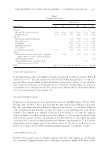
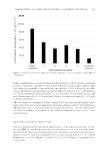
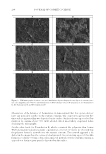
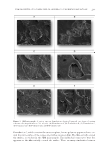
JOURNAL OF COSMETIC SCIENCE 214 understood. Current data and models have shown that irritants trigger infl ammatory processes by inducing the release of pro-infl ammatory cytokines and chemokines, such as IL-1α, PGE2, IL-6, and IL-8 (4). Commonly used cosmetic products or topical prescrip- tion drugs can upregulate the expression of these pro-infl ammatory cytokines. Thus, identifi cation of compounds that inhibit the production of these cytokines is crucial in mitigating irritant contact dermatitis. Aluminum chloride is a highly effective active ingredient used to treat hyperhidrosis, a medical condition in which a person sweats excessively and uncontrollably, but regular usage results in irritant contact dermatitis (5). Aluminum chloride is well-known to cause skin irritation because of its low pH range of 2–3 and topical application leads to the release of cytokines. Aluminum (Al3+) ion also generates reactive oxygen species (ROS) and induces cytotoxic lipid peroxidation in human skin fi broblasts, which leads to cell damage (6,7). Thus, the addition of anti-irritating compounds, such as taurine and aloe extract, into formulations containing aluminum chloride has become necessary to protect against irritation and maintain skin homeostasis. Taurine, 2-aminoethanesulfonic acid, is an amino sulfonic acid that is sometimes con- sidered as amino acid that is synthesized in the liver from cysteine and methionine. Taurine is a β-amino acid and exists mainly as the zwitterion taurine species at biological pH values. Because of the predominance of the zwitterion species, it contributes immensely to the overall lipophilicity of taurine and allows for it to be absorbed through biological membranes (8). It serves important physiological roles, such as membrane stabilization, regulation of calcium levels, and acts as an osmoregulator and a neuromodulator in the brain (9). In the skin, taurine has been previously found to inhibit infl ammation and irrita- tion responses triggered by irritating compounds, such as sodium lauryl sulfate, and it has been added to many topical formulations in recent years (10). It is known that keratinocytes in the outermost granular layer of the stratum spinosum accumulate taurine through the taurine transporter to exert its antioxidant, anti-infl ammatory, and cell-proliferating ef- fects in the skin (11–13). Although taurine alone has been previously found to exhibit anti-irritating effects, supplementation of additional anti-irritating agents into formula- tions with high irritation potential will improve taurine’s effi cacy in mitigating irritant contact dermatitis. Aloe extract is already widely used in many cosmetic and personal care products because of its ability to reduce irritation and promote skin repair. Aloe extract contains various natural ingredients, essential amino acids, minerals, and vitamins that are known to in- hibit COX-1 activity, a major enzyme that plays an important role in the production of prostaglandins (14,15). Aloe is also known for its skin-penetrating enhancement effects and has been found to increase the skin permeation of transdermal drugs in formulations (16,17). Our study aims to investigate the boost in anti-irritating effects that the blend of taurine and aloe extract exhibit with regard to aluminum chloride–induced skin irritation while maintaining the acidic pH necessary for high effi cacy. Although both of these compounds are known to exhibit anti-irritating effects and benefi cial effects on skin health, investiga- tion into their combined effects has been limited. We hypothesize that aloe extract in- creases the permeation and penetration of taurine into the skin, which may explain the signifi cant boost in anti-irritating effects observed in vitro. A multilayered human kera- tinocyte skin model, EpiDerm (MatTek Corporation, Ashland, MA), was used to assess

TAURINE/ALOE VERA FOR BOOSTING ANTI-SKIN IRRITATION EFFECTS 215 percutaneous absorption of taurine with or without the addition of aloe extract in vitro. EpiDerm human skin model was also used to measure the release of infl ammatory cyto- kines and chemokines, such as IL-1α and IL-8, to assess for skin irritation in vitro. To confi rm in vitro results, a human in vivo study was conducted to assess skin irritation after the topical application of prototype AlCl3 products containing taurine and aloe extract. MATERIALS AND METHODS MATERIALS AND FORMULATION The compounds tested in these experiments were acquired from a variety of vendors that are listed as follows: Hexaaqua 99.5% Aluminum Chloride Hexahydrate (Alfa Aesar, Ward Hill, MA), Aloe Vera Freeze Dried Powder 200× (Mexi Aloe, Campeche, Mexico), and Taurine 99% (Sigma-Aldrich, St. Louis, MO). AlCl3, aloe vera extract, and taurine (w/w) solutions were prepared by dissolving compounds into phosphate-buffered saline (PBS) solution pH 7.4 (Life Technologies, Merelbeke, Belgium). Final solutions were prepared by combining 0.5 ml of AlCl3 solution and 0.5 ml aloe extract and/or taurine solutions. Aqueous solutions of AlCl3 for initial irritation testing had 14% (w/w) AlCl3 concentration. The initial concentration of 14% AlCl3 was selected to induce high levels of irritation to observe signifi cant differences after the addition of anti-irritating actives, taurine and aloe extract. Subsequent sets of experiments had 12% AlCl3 concentration because the commercial product selected for irritation testing contains 12% AlCl3 as ac- tive concentration. Prototype products containing 12% AlCl3 (w/w) were oil-in-water emulsion formulations. EPIDERMIS MODEL The EpiDerm skin model (SIT-200 skin irritation model, MatTek Corporation, Ashland, MA) is a multilayered, highly differentiated model of the human epidermis composed of normal, human epidermal keratinocytes. EpiDerm consists of organized layers analogous to in vivo epidermis. It contains the basal, spinous, granular, and cornifi ed layers that are found in vivo. The EpiDerm tissue are cultured on cell culture inserts and shipped in a 24-well plate on agarose. The manufacturer ships PBS solution and culture media made specifi cally for the EpiDerm tissue. On arrival, tissue inserts were removed and placed onto 1.0 ml of culture medium for 24 h before testing. MTT CELL CYTOTOXICITY ASSAY Cytotoxicity was evaluated by mitochondrial metabolic activity using 3-[4,5-dimethyl- thiazol-2-yl]-2,5-diphenyltetrazolium bromide (Sigma-Aldrich) MTT-reduction assay. In this study, a modifi ed method of MTT assay was used. MTT solution was prepared as 1.0 mg/ml in PBS prior to usage. After treating tissues with test products by follow- ing the protocol described previously, MatTek EpiDerm tissue were placed in a 24-well tissue culture plate 24 h after treatment and 500 μl of the MTT solutions were added to each well and incubated at 37°C for 2 h. The cell survivability was analyzed by measuring
Purchased for the exclusive use of nofirst nolast (unknown)
From: SCC Media Library & Resource Center (library.scconline.org)