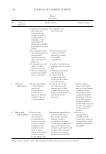
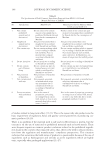
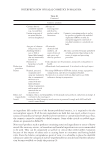
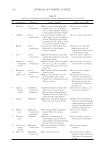
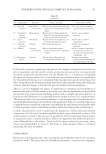
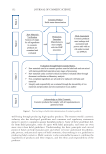
JOURNAL OF COSMETIC SCIENCE 194 ULVA LACTUCA (ULVACEAE) Ulva lactuca is a green macroalga which belongs to the phylum Chlorophyta (34). Macroalgae or seaweeds represent a valuable source of active components that might be exploited in the pharmaceutical industry. They contain high amounts of carbohydrates (up to 60%) and medium/high amounts of proteins (10–47%), lipids (1–3%), and mineral ash (7–38%) (35). Ulva spp. has high protein content as well as phenolics, chlorophyll, and carotenoids with free radical scavenging potential (36,37). Powder extract of U. lactuca was used as an ingredient in sun cream. The stability of the cream was tested by determina- tion of the p-anisidine and PV, as well as the TOTOX value. Finding of the study indi- cates that Ulva lactuca led to a reduction in lipid oxidation during storage (21). FUCUS VESICULOSUS (FUCACEAE) Fucus vesiculosus is a brown seaweed. A previous study investigated the antioxidant effi ciency of two F. vesiculosus extracts, water and 80% ethanol. Freeze-dried extracts were added to facial cream in concentrations of 0.05 and 0.1%. Oxidative stability of the formulation was tested after 42 d by determining peroxide levels and volatile compounds (pentanal, hexanaol, heptanal, octanal, nonanal, t2-heptenal, t-2-octenal, 2-ethyl-1-hexanol, 1-penten-3-one, and 2-pentylfuran). Both types of extract were able to attenuate lipid peroxidation how- ever, ethanol extract appeared to be more effi cient. In support of the observed fi ndings, it was previously reported that antioxidant effi ciency in preparation strongly depends on an- tioxidant capacity of extracts tested in vitro and phenol content (2,38–40). One group of authors assessed the potential of water and acetone extracts of F. vesiculosus to preserve qual- ity of skin-care emulsions. The results indicate that both extracts with a concentration of 2 mg/g of emulsion acted protectively against thermo-oxidation. Nevertheless, only aqueous extract exerted activity against photo-oxidation, probably as a consequence of higher con- tent of carotenoids (2). Fucus vesiculosus and other brown algae have been in the focus of re- search interest because of a dominant presence of phlorotannins and polysaccharides (fucoidans and laminarin) with great biological activities. In that sense, these potent anti- oxidant components are probably the most responsible for maintaining the quality of emul- sions (41). F. vesiculosus was shown to be a superior antioxidant in comparison to other seaweed species such as Laminaria because of higher polyphenolic content (42). Addition of Fucus sp. in sun cream formulations improved oxidative stability and appears to be well accepted by consumers because of the absence of signifi cant color changes in the product over time (31). Literature data suggest that the color of the products was almost unaffected in emulsions formulated with both algal extracts Fucus sp. and S. muticum (31). Based on previous work assessing the potential of F. vesiculosus, it might be concluded that this plant species is able to delay degradation of unsaturated functional lipids in cosmetic emulsions, thus representing a useful ingredient for skin-care products. CASTANEA SATIVA (FAGACEAE) Castanea sativa is a species of chestnut belonging to Fagaceae family which has been rec- ognized for importance both in the nutrition and cosmetic industry. It contains a lot of dietary fi bers, as well as vitamins, minerals, and polyphenol quercetin (43–45). Chestnut

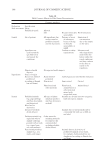
OXIDATIVE STABILITY OF COSMETIC EMULSIONS WITH PLANT EXTRACTS 195 bur hydrolysis extract (collected in Spain) was added to avocado cream to test its potential to improve oxidative stability of the product. The results have shown the ability of chest- nut extract to inhibit lipid peroxidation (determined by peroxide and anisidine values), which was in correlation with the phenolic content (21). MALPIGHIA PUNICIFOLIA (MALPIGHIACEAE) Acerola (Malpighia punicifolia L.) or Barbados cherry is a tropical plant whose fruit is consider to be a good source of ascorbic acid, phenolic compounds, fl avonoids, carot- enoids, anthocyanins, and phenylpropanoids. Acerola extracts or isolated compounds showed anticancer, antihyperglycemic, anti-infl ammatory, skin protective, and antioxi- dant properties (46,47). The protective effect of acerola fruit on human dermal fi bro- blasts is related to a high content of vitamin C, folic acid, and polyphenols (48). Oxidative stability of acerola fruit hydroglycolic extract, added to oil–water cosmetic emulsion in two different concentrations (1 and 5%), was determined spectrophoto- metrically following peroxide formation due to various storage conditions. Emulsion was made with wheat germ oil and stored at 5°C for 6 mo, 20°C for 6 mo, and 40°C for one month. Higher concentration of acerola extract showed better oxidative stabil- ity and slower rate of peroxide formation than the control sample (without antioxi- dants) and 1% of acerola extract emulsion (49). Findings of the earlier study indicated that lower concentration of antioxidants used in formulation can lead to pro-oxidant properties after long time of storage (50). Moreover, it was reported that antioxidants such as ascorbic acid used in lower concentration promote oxidation by increasing cat- alytic activity of iron and copper, whereas antioxidant properties manifest when high concentration of ascorbic acid is used. Additional property of ascorbic acid could be oxidative degradation of proteins and lipids through decomposition of lipid hydroperox- ide (51). Examination of stability of those preparations revealed that 5% acerola extract emulsion stored in cold or at 40°C showed the best antioxidant properties compared with extracts with lower concentration and extracts stored at temperatures of 5 and 20°C (49). Potential explanation for different oxidative stability on various temperatures could be due to different decomposition rates of hydroperoxides (52). ROSA CANINA (ROSACEA) Rose bud (Rosa canina L.) is a very important perennial herb which is used as a source of food and medicine in many cultures. The fruits and extract of R. canina are rich in fl avo- noids, phenolics, amino and unsaturated fatty acids, carotenoids, pectiones, and tannins. Investigations described antibacterial, antidiabetic, anti-infl ammatory, antitumor and antiobesity properties of this herb, mainly attributed to the presence of aforementioned ingredients. Nevertheless, the only clinically approved indication is osteoarthritis. Effects of R. canina components in cosmetic products are various: abrasive, astringent, skin conditioning, humectant, and exfoliant. To examine oxidative stability by measuring the rate of peroxide formation spectrophotometrically, a group of authors used differ- ent concentrations of rose glycolic extract (1 and 5%) in O/W cosmetic emulsion. Both concentrations of rose glycolic extract were effective against peroxide formation under different storage conditions (5°C for 6 mo, 20°C for 6 mo, and 40°C for a month).
Purchased for the exclusive use of nofirst nolast (unknown)
From: SCC Media Library & Resource Center (library.scconline.org)