JOURNAL OF COSMETIC SCIENCE 222 and hydrocortisone) were tested on seven men and 14 women (22–75 years), on the volar surface of the forearm, using aluminum chambers fi lled with tested substances and at- tached to the skin. First, the skin was exposed to a 14% aqueous solution of sodium lauryl sulfate (SLS) for 7 h, and then the tested substances were applied for 17 h. No pretreatment with sodium dodecyl sulfate was performed on the control arm. Skin areas were examined 24 h later. Shea butter, sunfl ower oil, petrolatum, and water induced very weak, barely perceptible erythema on the control skin. On the SLS-treated skin, transepi- dermal water loss was reduced signifi cantly by canola oil, canola oil unsaponifi ables, and hydrocortisone, and blood fl ow was reduced signifi cantly by canola oil unsaponifi ables and hydrocortisone, compared with exposure to water the effects of other substances were insignifi cant. UNSAPONIFIABLE C OMPOUNDS OF GREEN COFFEE (COFFEA ARABICA) OIL Unsaponifi able c ompounds of green coffee oil were shown to have moderate antimicrobial and low antioxidative properties (66). In addition, in vitro Sun Protection Factor was reported to be 10 times higher than that of the oil (results not shown). However, due to the observed cytotoxicity on keratinocytes and lethality in the brine shrimp assay, the authors stressed that more experiments are needed to evaluate the potential of unsaponifi - able compounds in green coffee oil for dermal use. UNSAPONIFIABLE C OMPOUNDS OF HAZELNUT (CORYLUS AVELLANA) OIL Masson et al. (6 7) designed a study with virgin hazelnut oil, refi ned hazelnut oil, and refi ned hazelnut oil enriched with previously extracted phospholipids the oils contained 286 ppm, only traces and 224 ppm of phospholipids, respectively. Each of the oils was incorporated at 10% in a test emulsion, whereas control emulsion contained no hazelnut oil. A total of 56 women aged 30–45 years, divided into four groups, applied the test emulsions on the volar surface of the forearm twice a day for 28 d. Skin hydration was assessed using corneometry. Results showed a signifi cant hydrating effect for all test emulsions. The effect of the emulsion with virgin oil was statistically signifi cant relative to the emulsion with refi ned oil, whereas differences between virgin and enriched oil emulsions were not signifi cant. The determined differences in hydration properties were therefore attributed to phospholipids. UNSAPONIFIABLE C OMPOUNDS OF PALM (ELAEIS SP.) OIL Crude palm oil o btained through the direct compression of palm fruit mesocarp and the tocotrienol-rich fraction of palm oil were evaluated as dermal permeation enhancers of 5-fl uorouracil, lidocaine, and ibuprofen, respectively, using full-thickness human skin excisions mounted in Franz-type diffusion cells (68). Refi ned palm oil was used as a negative control, as it did not infl uence permeation. Permeation enhancement of all three test substances was the highest for tocotrienol fraction, followed by crude oil and then refi ned oil. However, only the fl ux of ibuprofen from both the tocotrienol fraction and crude oil was signifi cant.

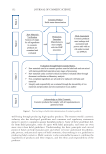
DERMAL EFFECTS OF UNSAPONIFIABLE COMPOUNDS 223 UNSAPONIFIABLE C OMPOUNDS OF PERILLA (PERILLA FRUTESCENS) SEED MEAL A study by Lee e t al. (69) focused on unsaponifi able compounds from perilla seed meal that were obtained after the production of perilla oil. Compositional analysis identifi ed 362.6 mg of total tocopherols, 3,761.4 mg of policosanol, 27,860.1 mg of phytosterols, and 1,028.2 mg of squalene in 100 g of unsaponifi able compounds. Tests on human der- mal fi broblasts showed, among other effects, decreased UVB-induced cytotoxicity, de- creased production of UVB-induced reactive oxygen species, decreased MMP production and c-Jun and c-Fos phosphorylation, and increased synthesis of collagen. These results indicate possible benefi ts in protection from photoaging processes. DISCUSSION Unsap onifi able c ompounds are an integral part of vegetable butters and oils in terms of their native chemical composition. Based on the reviewed in vitro and in vivo studies, we conclude that these substances contribute signifi cantly to the overall dermal effects of vegetable butters and oils. Recent experimen ts evaluating the antioxidative activity of total unsaponifi able com- pounds, i.e., not of individual components of unsaponifi able compounds, were published by Tavakoli’s group (70,71). Unsaponifi able matter of wild pistachio (Pistacia sp.), ses- ame, and rice bran oils was shown to have signifi cant antioxidative properties, which were stronger than that of the respective oils alone. To summarize, although direct evidence is scarce, it is reasonable to expect that antioxidative effects of unsaponifi able compounds may be expressed directly on the skin’s surface and in the epidermis. Similar conclusion can be drawn for the antimicrobial effects, as the human skin hosts an enormous world of microorganisms (72). Moreover, d ermally applied unsaponifi able compounds were found to benefi cially affect the function of surfactant-irritated skin (65). Detailed mechanisms of action were not investigated. However, phytosterols were suggested to play an important function by infl uencing the structure of epidermal lipids and regulating the skin’s barrier function. Authors assumed that phytosterols may have supplied SLS-damaged skin with depleted lipids. Some insight into this topic was highlighted in research performed by Menon et al. (73) who showed that SLS provoked a statistically signifi cant burst of synthesis of epidermal sterols. Dermally applied phytosterols or unsaponifi able compounds may therefore represent the additional supplementation of those compounds and help the skin’s own mechanisms to normalize barrier disruption more rapidly. However, Man et al. (74) showed that the dermal use of individual lipids (i.e., cholesterol, fatty acid, and ce- ramides) or incomplete mixtures of those lipids delay barrier recovery in acetone-treated mouse skin, in contrast to complete mixtures comprising all three lipids. This was as- sumed to originate at the level of lamellar bodies, which gave rise to abnormal intercel- lular membrane structures in the stratum corneum such abnormalities did not occur when a complete lipid mixture was provided. In addition to lipid-based structural im- provements of the epidermis, effects of unsaponifi able compounds were also observed in the dermis, at the level of protein composition and the improved elasticity of animal skin (64), and at the level of in vitro collagen synthesis (69). Finally, in terms of the skin’s overall functioning, hydration was shown to be signifi cantly improved by unsaponifi able compounds in a human clinical study (67).
Purchased for the exclusive use of nofirst nolast (unknown)
From: SCC Media Library & Resource Center (library.scconline.org)