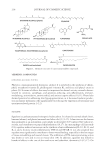
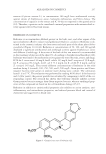
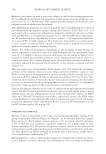
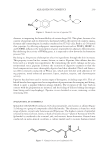
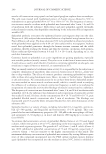
JOURNAL OF COSMETIC SCIENCE 220 activity include decreased erythema, decreased tumor incidence and decreased lipid per- oxidation, and improvements in wrinkled skin (39). PHENOLIC COMPOUNDS FLAVONOID S Flavonoid s are typical representatives of phenolic compounds that are widely present in the plant world, and give yellow, red, blue and violet color to fl owers, leaves, and fruits. They were shown to have signifi cant antioxidative activity both in in vitro and in vivo systems (40–44). They also act as antibacterial (45,46), antiviral (47,48), and anti-infl am- matory agents (47,49). FERULIC A CID Ferulic a cid is widely present in plants, either freely or covalently bound to, for example, mono-, di-, and polysaccharides glycoproteins polyamines and lignin (1). Most impor- tant and well researched is its antioxidative activity, which was shown in keratinocytes, fi broblasts, and animals, as well as wound healing, photoprotective, and antimelanogenic activities (50–52). Orally administered to mice, ferulic acid improved psoriasis-like skin lesions (53). In addition, ferulic acid ameliorated symptoms of atopic dermatitis on mice skin (54). WAXES In plants , waxes cover surfaces of leaves and fruits, and restrict the loss of water, control the exchange of gases, and protect against pathogens. They typically consist of an ester- bonded long-chain (C18-22) fatty acid to a long-chain (C26-28) alcohol (6). Most known in terms of dermal application is the liquid wax of jojoba seeds also known as jojoba oil, which has been shown to accelerate the wound closure of both the keratinocytes and fi - broblasts in scratch wound experiments, and to stimulate collagen I synthesis in fi bro- blasts, whereas no effect was detected on the secretion of matrix metalloproteinase (MMP)-2 and MMP-9 gelatinases by keratinocytes or fi broblasts (55). In addition, jojoba wax was reported to express hydration, antioxidative, anti-infl ammatory, and antibacterial effects on the skin (56). GAMMA ORY ZANOL γ-Oryzanol is a mixture of esters of ferulic acid and triterpene alcohols (mainly cyclo- artenol and 24-methylencycloartenol) or sterols (mainly beta-sitosterol and campesterol), extracted from rice bran oil (1). In vitro tests confi rmed its antioxidative activity, includ- ing protection against the oxidation of vegetable oils with a high content of unsaturated fatty acids in triglycerides (57,58). A study on rats showed that intradermally injected γ-oryzanol signifi cantly inhibited dermal allergic reaction due to the inhibition of mast

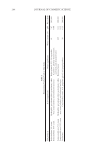
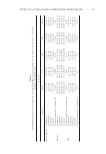
DERMAL EFFECTS OF UNSAPONIFIABLE COMPOUNDS 221 cell degranulation (59). In another study on rat skin (60), it was observed that a 1% γ-oryzanol ointment, in contrast to the control ointment, caused the stimulation of seba- ceous glands, which resulted in an increase in sebum production. PHOSPHOLIPIDS P hospholipids a re amphiphilic molecules typically composed of hydrophobic fatty acid “tails” and a hydrophilic phosphate “head.” Physiologically, they are the dominant lipids in cell membranes (61). Lysophosphatidic acid was reported to be benefi cial in wound healing, pruritic skin disease, skin tumors, scleroderma, and skin infl ammation reaction (62). DERMAL EFFECTS OF UNSAPONIFIABLE COMPOUNDS IN VEGETABLE BUTTERS AND OILS The reviewed st udies demonstrate specifi c mechanisms of action of isolated unsaponifi - able compounds such as the antioxidative, anti-infl ammatory, antitumor, immunomodu- latory, and antimicrobial activities wound healing and anti-acne and anti-dermatitis activities, as well as regenerative, hydrating, photoprotective, and anti-wrinkle activities. This provides us basic evidence for the understanding of their general benefi ts when used dermally, either alone or as ingredients in therapeutic and cosmetic formulations. How- ever, it must be clearly emphasized that the results of in vitro and animal in vivo research cannot be directly extrapolated as real effects after application on the human skin. Further, within the concept of this review, special emphasis was placed on studies dealing with total unsaponifi able compounds, particularly as integral structural components of vegetable butters and oils. Presented in the following section is a review of research fo- cused on in vitro tests using skin cell cultures of fi broblasts and keratinocytes, and ex vivo and in vivo tests studying dermal use. UNSAPONIFIABLE COMPOUNDS OF AVOCADO (PERSEA AMERICANA) OIL AND SOYA (GLYCINE MAX) OIL A 5% mixture of unsaponifi able compounds of avocado and soya oils in almond oil, al- mond oil, and 0.9% NaCl, respectively, were dermally applied on rat skin for 15 d (63). Results indicated the improved composition of the dermis, as the proportion of soluble collagen increased signifi cantly. To explain the aforementioned results, the next study (64) by the same research group was designed using additional methods of differential calorimetry, X-ray diffraction, and extensiometry. The tested unsaponifi able compounds improved the biomechanical properties of animal skin, which was demonstrated by an increase in elasticity. UNSAPONIFIABLE COMPOUNDS OF CANOLA (BRASSICA SP.) OIL AND SHEA (VITELLARIA PARADOXA SYN. BUTYROSPERMUM PARKII) BUTTER In a study by L odén et al. (65), the effects of dermally applied substances (canola oil, un- saponifi able compounds of canola oil, sunfl ower oil, borage oil, fi sh oil, petrolatum, water,
Purchased for the exclusive use of nofirst nolast (unknown)
From: SCC Media Library & Resource Center (library.scconline.org)