97 PRESERVATION OF PERSONAL CARE AND COSMETIC PRODUCTS appearance, the use of cosmetics, and hygiene. The COVID-19 pandemic’s creation of additional time has undoubtedly changed hygiene and cosmetic habits (3). Preservatives are added to cosmetics to maintain their microbiological purity during manufacturing, packing, and storage during the entire period of use, they ensure user safety. Even though preservatives are usually used in small concentrations, they are considered one of the main factors causing allergies in users (4). The cosmetic preservative market size exceeded US $975 million in 2019 and is estimated to grow at over 7% compound annual growth rate (CAGR) between 2020 and 2026. The growing incorporation of preservatives in cosmetics, owing to the importance given to increased shelf life along with upgrading product quality and increasing beauty awareness among populations, has resulted in rising skin care product sales, thereby driving global market growth (5). The contamination of cosmetic products is a risk for consumer health. According to the Rapid Alert System of the European Commission, 62 cosmetic products were recalled due to contam- ination by microorganisms between 2008 and 2014. The recalled products were found in 14 different countries, and their numbers were higher in 2013 and 2014. This data are often under- reported, making it more difficult to access more realistic data. The most frequently found microorganism was pathogenic Pseudomonas aeruginosa (35.48%), and other microorganisms found were mesophilic aerobic microorganisms (bacteria, yeast and molds), Burkholderia cepa- cia, Klebsiella oxytoca, Serratia marcescens, Enterobacter gergoviae, Enterobacter cloacae, Staphylococcus aureus, Achromabacter xylosoxidans, Rhizobium radiobacter, Candida albicans, Pantoea agglomerans, Citrobacter freundii, Pseudomonas putida, Enterococcus faecium, and Klebsiella pneumoniae (6). Currently, with increased hygiene habits, the choice of preservatives can be impacted by consumers opting for safe products. The nutrient- and moisture-rich environments afforded by many cosmetics support the growth of microorganisms. As such, preservatives are added not only to protect the product from spoilage and inadvertent contamination, but also to protect the consumer. The emergence of novel pathogens, viral or bacterial, has always posed serious challenges to public health worldwide (7). Continuing attacks against most preservatives have kept formulators scrambling to find something that will not bring forth the dreaded “free-of” or “free-from” label claim, as demanded by marketing (8). This discussion has continued and is intensified by the COVID- 19 pandemic leading to increased use of antimicrobial ingredients as active substances. Two paths may arise: (1) the return of traditional preservatives that have proven efficacy (2) or new product formats and the search for natural alternatives. Considering the changes in post-pandemic habits among cosmetic consumers, this review aims to evaluate the possible impacts of COVID-19 on the preservation of cosmetic products from the perspective of effectiveness and safety of the antimicrobial preservatives addressed in this study. METHODS SEARCH STRATEGY The PubMed, Scopus, and Google Scholar databases were searched for articles and search terms including: “COVID-19,” “SARS-CoV-2,” “antimicrobial agents,” “antimicrobial preservatives,” “cosmetic preservation,” “benzalkonium chloride,” “benzoic acid,” “sodium benzoate,” “benzyl alcohol,” “caprylyl glycol,” “chloroxylenol,” “chlorphenesin,”

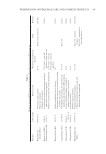
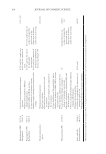
98 JOURNAL OF COSMETIC SCIENCE “ethylhexylglycerin,” “methylparaben,” “ethylparaben,” “propylparaben,” “butylparaben,” “natural antimicrobial agents,” “phenoxyethanol,” “sorbic acid,” “potassium sorbate,” “mode of action,” “safety assessment,” “irritant contact dermatitis,” “natural antimicrobial agents,” “contact dermatitis,” and “antimicrobial resistance.” INCLUSION AND EXCLUSION CRITERIA Selection criteria included articles that examined antimicrobial ingredients antimicrobial preservatives the relationship between COVID-19 and personal care products and cosmetics market trends that directly impact cosmetic preservatives the mode of action of antimicrobial agents safety assessment of preservatives irritant contact dermatitis (ICD) and allergic contact dermatitis (ACD) to preservatives and antimicrobial resistance to preservatives. Articles that evaluated only other cosmetic ingredients that were not included in this study were excluded. COSMETIC PRESERVATION The COVID-19 pandemic has enhanced personal hygiene habits with products focused on sanitization, and this new scenario is also impacting cosmetic products. A study to evaluate hygienic and cosmetic care habits in Polish women during the COVID-19 pandemic demonstrated a change in the frequency of handwashing before and during the pandemic. Noticeable increases in frequency compared to the time before the pandemic were recorded after using public transport (from 53.6% to 80.7%) and after coming back home (from 80.0% to 100.0%). Other results demonstrated that the frequencies of taking showers and the use of hand cream increased, the number of people who washed their face only once a day decreased, while for most people, the frequency of hair washing did not change. The frequency of using antibacterial products has increased however, excessive handwashing with detergents or disinfectants can damage the hydrolipid mantle of the skin surface and may also be responsible for irritation and even the development of contact dermatitis (CD) (3). Cosmetic products without preservation system rapidly become contaminated with molds, fungi, and bacteria, resulting in spoilage and increased infection risk. Particularly problematic microbes include the Gram-positive S aureus and the Gram-negative Escherichia coli (9). Even though preservatives are usually used in small concentrations, they are considered one of the main factors causing allergies in users (4). The number of cosmetic products available on the market continues to increase together with the rates of adverse cutaneous reactions. Approximately 6% of the population is sensitized to the ingredients of cosmetics, especially to preservatives and fragrances (10,11). The amount of antimicrobial agent to be used in a product depends on the agent’s intended role high concentrations are used for active substances in antimicrobial products (topical antimicrobials), and low concentrations are used for preservative purposes in cosmetic products (12), such as benzalkonium chloride (BAC) and chloroxylenol (CX). Currently, with the COVID-19 pandemic, antibacterial and antiviral agents have gained a fundamental role in personal care and cosmetic products. Until recently, we used a small amount of antimicrobial agent, while new products have emerged with these ingredients as leading features of the formulation. Table I describes the preservatives used in this study, as well as their modes of action and the maximum concentrations allowed.
Purchased for the exclusive use of nofirst nolast (unknown)
From: SCC Media Library & Resource Center (library.scconline.org)