59 PRELIMINARY SCREENING STUDY WITH TEA FORMULATIONS world, approximately 78% of the tea production is black tea and 20% is green tea, while oolong tea and white tea comprise about 2% of total output (6). Green tea polyphenols generally attribute approximately 35% of the dry solids in brewed form. Epicatechin, epicatechin-3-gallate, epigallocatechin (EGC), and epigallocatechin-3-gallate (EGCG) are the four major classes of green tea polyphenols. The most plentiful among these polyphenols is EGCG with a ratio of about 65% (7). It has been widely reported that the main active ingredient in green tea, EGCG, has a well-established performance as an anti-inflammatory and antioxidant (2). It was found to reduce UV-induced DNA damage dose-dependently in fibroblasts and keratinocytes (8). During the fermentation of black tea, from the smaller catechins, polyphenoloxidase elicits the formation of larger molecules such as orange-red colored dimeric theaflavins (TFs), and dark–brown polymeric thearubigins (TRs) (9,10). The major change was reported to be the oxidation and condensation of EGC and EGCG. Thus, the main difference between green tea and black tea solutions, in terms of polyphenols, is the higher concentration of condensed gallocatechin in black tea (9). The black tea extract inhibited UV radiation-induced tyrosine phosphorylation in the mouse skin and also prevented erythema in human skin after UV exposure (11). Although the great majority of studies on the antioxidative and photoprotective effects of tea and its polyphenols are performed with green tea, it has been shown that TFs and TRs in black tea, like green tea catechins, are also effective in the inhibition of lipid peroxidation. Antioxidative activities of black tea and green tea are reported to have similar potencies (12). Previously, we reported that black or green tea extracts protected the skin from direct UV exposure preventing sunburn and erythema on a small group of subjects (13,14). In this trial, we studied with a larger volunteer population and also included an SPF 50 commercial sunscreen along with green and black tea treatment gels. MATERIALS AND METHODS PREPARATION OF TEA EXTRACT The water-soluble fraction of tea was used in this study and 10 g of black and green dry tea leaves (Çaykur, Rize, Turkey) were weighed. In a separate glass vessel, 100 g of deionized water was boiled. Tea samples were added to water, mixed for 20 min with a mechanical stirrer, and cooled to room temperature. Extracts were filtered using filter paper under a vacuum. The infusions were frozen at −18°C before further processing. Using a laboratory freeze-dryer (Alpha 1-2 LD Plus, Martin Christ, Germany) frozen tea samples were lyophilized at −52°C/0.1 mBar. Freeze-dried samples were stored at −18°C for further quality control tests. PREPARATION OF TEA GELS Gels were obtained using a carbomer resin (Carbopol Ultrez 21, Noveon, USA). 100 mL of 0.75% (w/w) carbomer solution were prepared and 3 g freeze-dried black or green tea extract was added to the carbomer dispersion. By monitoring the pH, 18% sodium hydroxide solution was added drop by drop until a viscous gel was obtained at pH 5.5. Acting as a preservative, 1% benzyl alcohol was used. The gels were stored in glass jars at

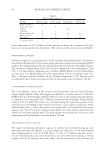
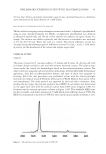
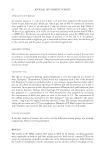
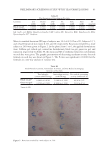
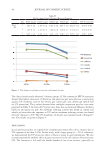
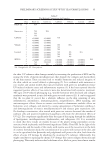
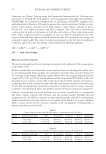
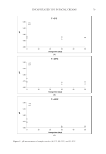
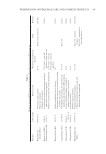
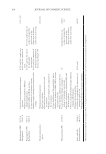
60 JOURNAL OF COSMETIC SCIENCE room temperature. A 0.3% caffeine gel (the amount of caffeine in tea extracts) and a gel- base were also prepared as described above. The contents of the gels were given in Table I. PHYTOCHEMICAL ANALYSIS Gels were weighed as 1 g and diluted to 10 mL in a beaker with distilled water. All solutions were filtered through a 45 µm filter before high-performance liquid chromatography (HPLC) analysis. The analytical procedure was adapted from the literature (15) with slight changes. The system was Perkin Elmer Series 200 and the column was C18 reversed-phase 5 μm (250 × 4.6 mm). System conditions were as follows: Mobile Phase A: 0.15% hydrochloric acid in water (v/v) Mobile Phase B: 0.15% hydrochloric acid in acetonitrile/water (v/v) Flow, 1 mL/min Injection Volume, 10 μL Column Temperature, 25°C. Detection was accomplished with a diode array detector and chromatograms were recorded at 280 nm. TOTAL PHENOLIC CONTENT ANALYSIS The total phenolic content of the extracts was determined using the Folin-Ciocalteu reagent (Sigma Aldrich, USA). The reagent was diluted at a volume ratio of 1:3 with 96% EtOH before use. Trolox (Sigma Aldrich, USA) was used as the standard. For this analysis, a calibration curve was made with 7 different concentrations of standard Trolox solution between 0.05–2.0 mM. The results were calculated using the regression equation of the obtained curve and defined as mg of Trolox equivalent, 1 g of tea gel was diluted to 10 mL with distilled water. 1 mL of this solution was mixed with 1 mL diluted Folin-Ciocalteu reagent, and 2 mL 35% sodium carbonate was added to the latter solution which was later diluted to 6 mL with distilled water. The final solution was incubated for 30 min at room temperature and the absorbance was measured at 700 nm. ANTIOXIDANT ACTIVITY ANALYSIS The cupric ion-reducing antioxidant capacity of samples was determined using an assay previously described (16). Briefly, 1 g of gel sample was diluted to 10 mL with distilled water. Subsequently 0.2 mL of 10 mM CuCl 2 ,0.2 mL of 7.5 mM neocuproine, and 0.2 mL of 1 M ammonium acetate were added into a test tube. After vortex mixing, a 100 µL sample, and 120 µL ultrapure water was added, and the absorbance at 450 nm was read Table I The Contents of the Gels g/100g Black tea gel Green tea gel Caffeine gel Vehicle gel Black tea extract 3 Green tea extract 3 Caffeine 0.3 Carbomer 1 1 1 1 Sodium hydroxide qs qs qs qs Benzyl alcohol 1 1 1 1 Pure water qs qs qs qs qs: quantum sufficit.
Purchased for the exclusive use of nofirst nolast (unknown)
From: SCC Media Library & Resource Center (library.scconline.org)