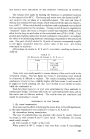
THE SKIN AS A COMMUNITY OF STRUCTURES damaging to the melanocytes is reached. In other animals, the melanocyte is inactivated by a level which has no permanent effect on the production of keratin in the fo•m of hair. There are substances which have an effect on certain tissues similar to that produced by •adiation, and some of these radiomimetic substances have been injected into black mice. Among such substances are nitrogen-con- taining substances related to mustard gas, the so-called nitrogen mustards. Local greying of the hair occurs after injection of suitable levels of these substances and the effect persists through successive generations of hair. It is reported that such mice have retained their white patches for as long as they were observed, which was nearly three years (Boyland, 1952). The mechanism by which radiation and nitrogen mustards produce their effects is not known, but it is known that X-rays can produce free hydroxyl radicals by interaction with water. Free hydroxyl radicals are produced in certain chemical reagents, for example, in a solution containing hydrogen peroxide and ferrous sulphate (Fenton's reagent). Permanent greying of the hair similar to that produced by irradiation and by nitrogen mustards has resulted from the injection of Fenton's reagent into coloured mice. It is possible that free radicals are involved in the effects of ultra-violet radiation, X-rays and the radiomimetic substances on the melanocyte. It has been reported recently that the magnetic properties of living tissue indicate the presence of free radicals (Commoner et alia, 1954). This is shown by undenatured protein, but such properties occur in a very marked degree in melanin. Since free radicals can react very readily with each other, these observations may indicate why free radicals such as the hydroxyl radical affect the melanocyte of the mouse so readily. Selective destruction of pigment production has been observed in experiments on the freezing of rat skin (Taylor, 1949). Areas of skin on black rats were cooled in situ by contact with solid carbon dioxide or with a special cooling device. The skin was found to survive contact for five seconds with solid carbon dioxide or slower freezing to -- 10 ø C. Hair of normal shape and texture was produced from the areas treated in this way, but it completely lacked pigmentation. A number of generations of rats with white hair were grown, showing that the loss of ability to form pigment was permanent. Two examples of a selective effect of a drug on pigmentation which have aroused considerable interest have already been reviewed in this journal (Clyman, 1953). In 1936 it was reported that feeding hydroquinone to black rats led to subsequent growth of grey fur and a few years later a derivative of hydroquinone, the mono-benzyl ether, was discovered to be responsible for local loss of skin pigmentation of the arms among Negro workers in a tannery. The skin in those cases appeared to have suffered no other change than the temporary loss of the ability to form melanin. Later 279

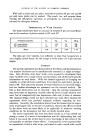
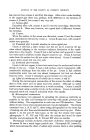
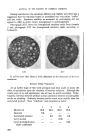
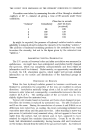
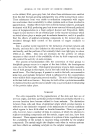
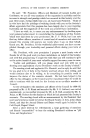
JOURNAL OF THE SOCIETY OF COSMETIC CHEMISTS work has shown that sensitisation to the mono-benzyl ether of hydroquinone can arise, and this restricts its application to clinical conditions of excessive pigmentation. Noteworthy are the local effects of topical application of creams or solutions (Denton, et al., 1952) and also the report that, in treating human subjects, the skin is depiõmented, but not the hair. The manner in which this compound acts is not known, but it has been suggested that it is converted in the skin to hydroquinone which inhibits the enzyme, tyrosinase. It seems likely that the hair bulbs of the human skin are at too great a depth for an effective local concentration of the ether to be produced by topical application. CH2 -- O Mono-benzyl Ether of Hydroquinone. O CHa 8-methoxy-psoralen HaC CH2 CH2 CHa Pilocarpine The second example is of ancient origin, although the identification of the active compound and its preparation in the pure state are recent. From the thirteenth century the Egyptians have used the powdered fruit of a certain plant in the treatment of areas of skin which have undergone spon- taneous depigmentation. In this condition of vitiligo, not only the skin but also the hair in that area lacks pigmentation, but in many cases pigmentation could be zestored by eating the powdered fruit or applying it topically and exposing the affected area to sunlight. The modern equivalent is oral administration or topical application of 8-methoxy-psoralen and irradiation of the areas with ultra-violet light (Sidi and Bourgeois-Gavardin, 1952). Irradiation is necessary for the success of the treatment. Repigmentation appears first in the hairs, then in the region of skin adjacent to the hair follicle from which the islands of pigmentation spread and join up. Topical application with ultra-violet treatment is successful, and even in a normal white skin inadvertent treatment resulted in a markedly hyperpigmented area (Lerner et al., 1953). So the effect is not peculiar to the condition of vitiligo, but a similar response is given by the normally functioning melanocyte. The mechanism by which the combination of the psoralen and 28O
Purchased for the exclusive use of nofirst nolast (unknown)
From: SCC Media Library & Resource Center (library.scconline.org)