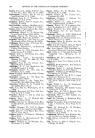
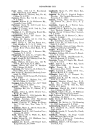
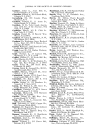
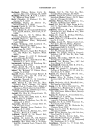
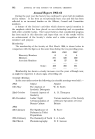
308 JOURNAL OF THE SOCIETY OF COSMETIC CHEMISTS 10 mi. of concentrated hydrochloric acid. Dissolve 5 g. of ammonium sulfate in the mixture and place the mixture in a boiling water bath for 10 minutes with constant stirring. Add 2 g. of activated carbon, mix well and filter while still hot. Transfer the tiltrate to the separatory funnel and determine the allantoin content by either of the above procedures. E. Determination of the ztluminum ztllantoinates In formulations containing either aluminum chlorhydroxyallantoinate or aluminum dihydroxyallantoinate the aluminum content of the complex can be determined by alkalinizing the extract with ammonia water (28%) to precipitate the aluminum hydroxide which is then filtered, washed, dried, ignited and weighed. Extraction of aluminum dihydroxyallantoinate is accomplished by using 10 to 15% hydrochloric acid as the extraction medium. F. Calculations The allantoin content of the material under investigation is readily cal- culated from the following formula: % Allantoin = aliquot factor X 107 X mg. allantoin found/mi. sample weight in g. RESULTS Calibration curves were prepared for both the phenylhydrazine ferri- cyanide method and the copper tartrate-Folin acid molybdate method. In both cases, absorbance was found to be linear with concentration over the 0.1 to 1.0 mg./ml. concentration range. Several commercial cosmetic preparations were analyzed for allantoin by both methods, using appropriate sample preparation methods. The results of these analyses are presented in Table I. To demonstrate that the recorded results are specific allantoin assays, and that there were no interfering substances, the tests were repeated on controls i.e., preparations of the same formulation but without allantoin were also extracted by the same means and subjected to the same determi- nations. The results were negative for the controls in all cases. It was also noted that by the methods described herein it can be determined whether allantoin is intact or decomposed. Thus, if an aliquot of the extract was treated with the hydrochloric acid, phenylhydrazine HC1 and potassium ferricyanide without boiling, the results were negative, indicating the absence of allantoin degradation products. But when aliquots were subjected to boiling, the results were positive, indicating the presence of intact allantoin.

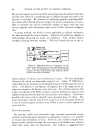
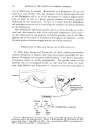
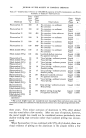
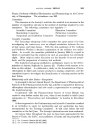
DETERMINATION OF ALLANTOIN AND THE AL ALLANTOINATES 309 TABLE I--REsULTS OF ALLANTOIN DETERMINATIONS IN VARIOUS COSMETIC PREPARATIONS Preparation Allantoin Found Allantoin Found (Copper Tartrate- (Phenylhydrazine- Folin Acid Ferricyanide Molybdate Method) Method) 2% allantoin in PPG* 0.2% allantoin in PPG* 0.1% allantoin in PPG* After shave lotion #1 After shave lotion #2 Cosmetic cream •1 Cosmetic cream #2 Lipstick Hand cream #1 Hand cream #2 1.88 1.79 ! .90 1.82 1.90 1.86 0.194 0.188 0.190 0.190 0.190 0.190 0.101 0. 098 0.100 0.100 0.099 0.100 0.178 0. 202 0.180 0.190 0.145 0.152 0.150 0.150 2.02 1.88 2.00 1.90 1.98 1.88 1.94 1.75 0.031 0.053 0.036 0. 055 0.186 0.190 0.188 0. 200 0.155 0.162 0.150 0.166 * PPG = polypropylene glycol, DISCUSSION The mechanism of the phenylhydrazine-ferricyanide method has been reported by Young and Conway (3). These authors propose hydrolysis of allantoin to urea and glyoxylic acid, condensation of the glyoxylic iacid with phenylhydrazine and subsequent reaction of this product with ferri- cyanide to give a cherry red chromophore: o NH--CHNH. CO. NH,,: NH2 C•H NH2 • C -- , (2)-- C C=:O q- 2H•O • I HC1 H=O I I NH--C•-O NH , CH----NH (allantoin) (allantoic acid) NH• I COOH 2CO +1 q-C•-tsNHNH2--• I CHO NH• (urea) (glyoxylic acid) (phenylhydrazine) CH: N. NH. C•H5 [ q- KaFe(CN)6--'- chromophore COOH (phenylhydrazone) (cherry-red -color)
Purchased for the exclusive use of nofirst nolast (unknown)
From: SCC Media Library & Resource Center (library.scconline.org)