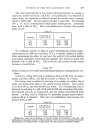
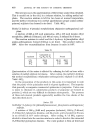
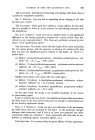
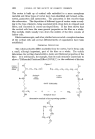
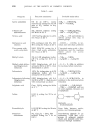
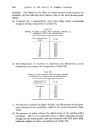
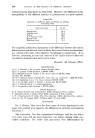
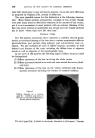
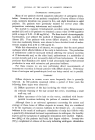
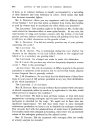
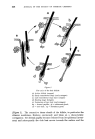
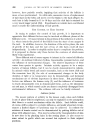
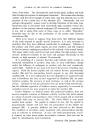
448 JOURNAL OF THE SOCIETY OF COSMETIC CHEMISTS e dp d b ':" $• Figure 1 The cycle of the hair follicle. (a) Active follicle (anagen) (b) Early transitional stage (early catagen) (c) Late transitional stage (late catagen) (d) Resting stage (telogen) (e) Formation of new hair (early anagen) dp= dermal papilla gl = sebaceous gland ch ---- club hair sg ---- secondary germ. {Figur• 1). The connective tissue sheath of the follicle, in particular the. vitreous membrane, thickens enormously and takes on a characteristic corrugation the dermal papilla becomes released from its epidermal invest- ment and subsequently the club hair moves towards the surface and the

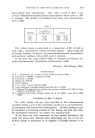
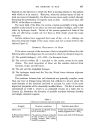
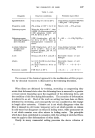
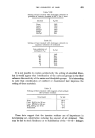
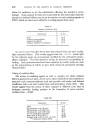
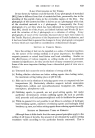
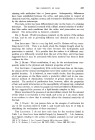
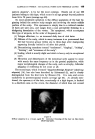
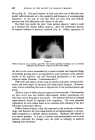
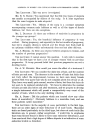
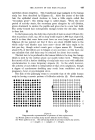
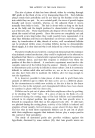
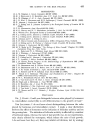
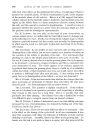
THE ACTIVITY OF THE HAIR FOLLICLE 449 epithelial column lengthens. This transitional stage (catagen) in the human scalp has been described by Kligman (1). After the ascent of the club hair the epithelial strand shortens to form a little nipple called the "secondary germ" this resting stage is called telogen. When the next period of activity starts, the secondary germ elongates by cell division, grows downward to enclose the papilla and gives rise to a new hair bulb. The newly formed hair subsequently emerges beside the old dub, which is then lost. In the human scalp, the daily rate of growth of hairs is about 0.35 mm (2) thus to produce a hair, say, 35 cm long would require 1,000 days of growth, and it is dear that some hairs must have an even longer active period. Kligman (3) has pointed out that if there are about 100,000 hairs in the whole scalpsand blondes may have more--about 100 hairs ought to be lost per day, though actual counts gave a figure nearer 50. Normally, about 13}/o of the follicles are in telogen at any one time on this basis one can calculate that club hairs may be retained for about four months. The first hair to be produced in the human follicle is the long, fine lanugo which is shed by the embryo about one month before birth. Within the first month of life a further shedding of scalp hairs may occur with sufficient synchronization to cause temporary alopecia (3). In the adult, however, the activity of each follicle is independent of that of its neighbours, though a degree of synchronous shedding may result from conditions such as pregnancy, fever or psychological •* .... The skin of the guineapig seems to resemble that of the adult human scalp in having a mosaic pattern of follicular activity (4). Most animals, ß 0000 00000 O0 00000130 00000 000000000000 000000000000 ...,.......o f:oooooooo00000000000000000000 OOOOOOOOOOOO OOOOOOOOOOOO OOOOOOOOOOOO 000000000000 000000000000 000000000000 a b Figure 7 Diagrammatic representation of patterns of hair replacement. (a) Mosaic pattern in human scalp (active follicles shown black). {b) 'Wave pattern in rat. The advancing front of activity is shown by arrows. a: ariagert c = catagen t = telogen.
Purchased for the exclusive use of nofirst nolast (unknown)
From: SCC Media Library & Resource Center (library.scconline.org)