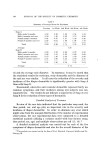
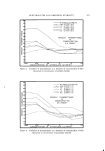
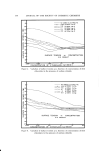
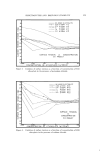
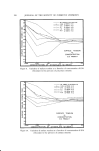
162 JOURNAL OF THE SOCIETY OF COSMETIC CHEMISTS the interaction of urea with the gram positive rod Bacillus ammonia- genes (Bacillus faecalis) (6-8). Other bacilli (coli, proteus, A erobacter, Klebsiella, Pseudomonas and Staphylococcus) have also been implicated in various forms of diaper dermatitis (2, 9). In view of the frequency of diaper dermatitis and the acute discom- fort it causes, any inexpensive, effective and simple form of prophylaxis would be a welcome addition to infant care (10). The purpose of the present paper is to evaluate clinically the pro- phylactic effects of a bacteriostatic soap.* This soap (A) contains 0.75% 2,2 •-dihydroxy-3,3 •,5,5 •,6,6 •-hexachlorodiphenylmethane ("hexachloro- phene") and 0.75% 3,4,4•-trichlorocarbanilide. It was compared with a similar soap (B) without the bacteriostatic agents, in a double blind test. The effectiveness of hexachlorophene in the clearing and prevention of diaper dermatitis has previously been noted by other investigators (7, •, •2). Since the onset of diaper dermatitis is affected by a great variety of conditions (diet, general cleanliness, use of rubber pants, weather, sex, age, and characteristics of the infant) (14), it was felt that the statistical analysis of a large number of treated and untreated cases was the only way of demonstrating the clinical effect of the soap. EXPERIMENTS AND RESULTS Clinical Material For the purpose of the study a group of 100 infants of both sexes, ranging in age from two months to 2•/5 years and having a case history of frequent episodes of diaper dermatitis, were selected. At the start of the experiment, all symptoms of diaper dermatitis were absent. All but 16 of the test subjects used diaper service washed diapers. Experimental Procedure The infants were divided into two equal groups: Soap A was sup- plied to the mothers of one, Soap B to the other. Division into groups and distribution of the coded soap was based on the use of a random number table. Neither the clinician nor the mothers were aware of the nature of the soap used. The groups were balanced as far as sex and use of the diaper service were concerned. The mothers were instructed to bathe the baby daily, being careful to cleanse the diaper area with the soap and soft cloth. Mothers were * Dial soap, a product of Armour and Co., Chicago, II1., was used.

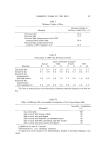
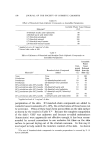
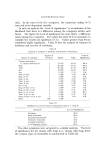
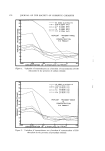
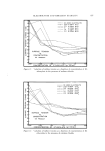
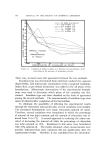
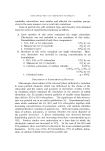
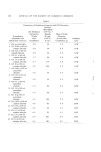
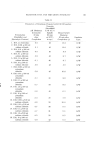
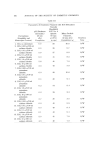
BACTERIOSTATIC SOAP 163 permitted to use a moderate amount of nonmedicated talcum powder. No other form of treatment or medication was administered. Clinical Evaluation The test period lasted 28 days. During this time the infants were examined once a week. An evaluation (score) was made each time of the following symptoms: Types of diaper dermatitis present (erythema, eczematoid dermatitis, scaly dermatitis, ulcerative dermatitis, vesicular dermatitis) severity of symptoms ranging from 0-7 (0--absent, 1- almost absent, 2--very mild, 3--mild, 4--moderate, 5--moderate to severe, 6--severe, 7--very severe) and total diameter of dermatitis (in inches). The results were recorded on individual standard test [orms. Evaluation of Results Clinical data of other investigators (1, 13) and examination of the results of this test indicated at once that sex and age play a significant role in the severity and incidence of diaper dermatitis. Both major subject groups were, therefore, subdivided into four subgroups classified as follows: Males (females) over (under) nine months. This age split was chosen because it divided the subjects into almost equal groups. A weekly average score was calculated for each of the resulting eight groups and for each type of diaper dermatitis under investigation. Difference Among Soaps The difference between the two soaps should be evaluated within the over-all framework of the experiment. The previous history of diaper dermatitis in the infants investigated in this study was used as a base line the changes in the weekly score--determined as previously de- scribed--was the variable. Table I lists the changes in the weekly average score of erythema--by far the most common symptom of diaper dermatitis. Comparison of the average previous score with the average weekly scores during the test period indicates that there is a drop of 2.30 (from 3.80 to 1.50) for the subjects using Soap A while there is a drop of only 1.38 (from 3.51 to 2.14) for the subjects using Soap B. The difference in these changes reflects the superiority of the bacteriostatic soap over the plain soap. Tables similar to the one discussed were prepared for scaly der- matiris, eczematoid dermatitis, ulcerative dermatitis, vesicular dermati-
Purchased for the exclusive use of nofirst nolast (unknown)
From: SCC Media Library & Resource Center (library.scconline.org)