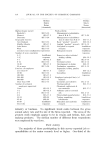
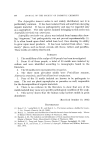
562 JOURNAL OF THE SOCIETY OF COSMETIC CHEMISTS REFERENCES (1) Montagna, W., Formisano, V., and Kligman, A.M. Hormonal factors in aging. Hor- monal Steroids, Biochemistry, Pharmacology and Therapeutics: Proceedings of the First International Congress on Hormonal Steroids. Vol. 1, pp 559-568, Academic Press, New York, 1964. (2) Papa, C. M. and Kligman, A.M. The effect of topical steroids on the aged human axilla, in Montagna, W., Advances in Biology of Skin-Aging, Pergamon Press, New York, 1965. (3) Formisano, V., and Kligman, A.M., Modification of human aged skin by sex steroids. (In press) (4) Wotiz, H. H., Mescon, H., Doppel, H., and Lemon, H. M., The in vitro metabolism of testosterone by human skin, J. Invest. Dermatol., 20, 113 (1956). (5) Baillie, A. H., Calman, K. C., and Milne, J. A., Histochemical distribution of hydroxy- steroid dehydrogenases in human skin, Brit. J. Dermtaol. 77, 610 (1965). (6) Gomez, E. C., and Hsia, S.C., Studies in cutaneous metabolism of testosterone 4-C x• Federation Proc., 25,282 (1966). (7) Hsia, S. L., Witten, V. H., and Hao, Y. L., In vitro metabolic studies of hydrocortisone- 4-C •4 in human skin. J. Invest. Dermatol. 43,407 (1964). (8) Frost, P., Weinstein, G. D., and Hsia, S. L. Metabolism of estradiol-17 B and estrone in human skin. Ibid., 46, 584 (1966).

J. Soc. Cosmetic Chemists, 18, .563-568 (Aug. 19, 1967) The Human Scalp Habitat for Molds* as a CLAYTON T. SHAW, M. S., ** and RAYMOND W. VANDERWYK, Ph.D.t Synopsis--Ninety molds, representing B1 different species, including four known pathogens, have been isolated from the scalps of 100 individuals known to have dandruff. The isolation methods, ideutifying procedures and significance of the findings are discussed. INTRODUCTION There has been much interest in the isolation and identification of microorganisms from the human scalp in the last ten years because of their possible association with the scalp condition, "dandruff." It is believed by some investigators that dandruff is caused by a micro- organism or group of microorganisms. The human scalp offers an environment that is favorable for the growth of many types of microorganisms both aerobic and anaerobic. Investigation by Roia (1) has shown that at least 14 separate yeasts are often found on the scalp. Beal (2) isolated 16 aerobic bacteria, and Epstein (3) demonstrated that seven species of bacteria normally associated with the human intestinal tract are also found on the scalp. Presently, study of the flora of the scalp is concerned primarily with the isolation and identification of the group of fungi known as molds. Although many species of molds are knou'n to be air contaminants, it has not been shown that these molds are parasitic to man. However, some of the molds belong to genera that are known to be pathogenic. * Research supported by a grant from John H. Breck, Inc. ** Department of Public Health, University of Massachusetts, Amherst, Mass. 01002. t Department of Microbiology, Massachusetts College of Pharmacy, Boston, Mass. 02115. 563
Purchased for the exclusive use of nofirst nolast (unknown)
From: SCC Media Library & Resource Center (library.scconline.org)