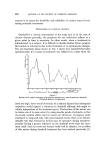
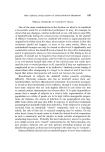
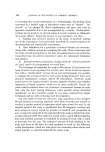
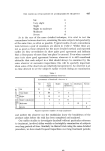
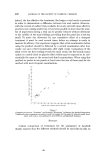
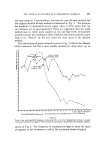
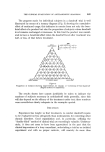
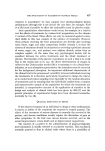
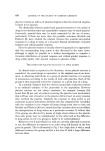
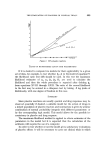
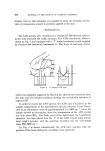
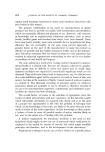
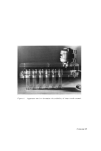
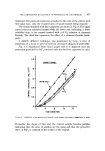
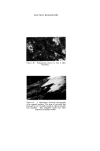
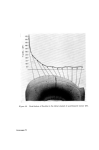
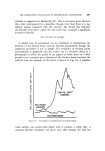
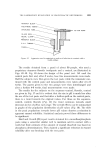
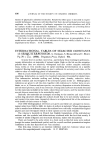
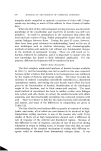
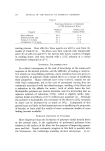
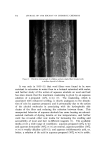
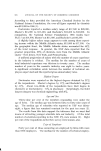
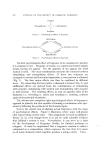
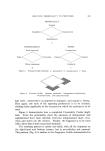
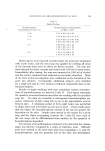
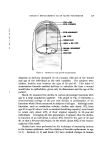
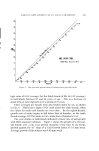
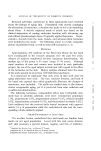
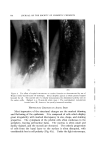
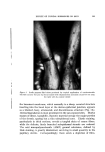
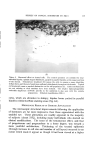
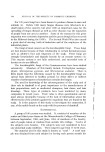
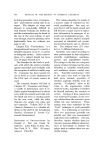
470 JOURNAL OF THE SOCIETY OF COSMETIC CHEMISTS further, that by this technique it is possible to study the retention, by the skin, of components present in products applied to the skin. EXPERIMENTAL The ATR spectra were recorded on a Unicam SP 200 infrared spectro- meter with increased slit width and gain. The ATR attachment, which is shown in Fig. 1, was equipped with a 'V' shaped analysing crystal supplied by Research and Industrial Instruments Co. This shape of analysing crystal, Figure I 'V' shaped ATR unit. which was originally suggested by Harrick (7), allowed two reflections from the skin with the incident radiation striking the crystal/skin interface at angles of 45 ø . In order to record the ATR spectra, the ATR unit was placed in the sample compartment of the spectrometer and the reference beam attenu- ated to an absorbance value of approximately 0.1 at 1900 cm-l, where the sample showed no absorption, since the transmission of the ATR crystal was only about 30}/0 . The fleshy part of the right hand, the hypothenar eminence, was then placed into the 'V' of the ATR crystal using normal hand weight pressure, and the spectrum recorded over the wavelength range 650-5000 cm-1 In Fig. I is shown schematically the ATR unit, together with the position of the hand during the recording of the spectrum.

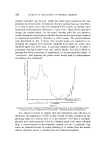
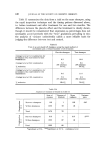
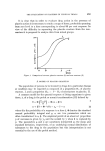
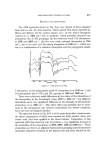
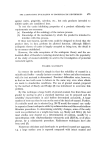
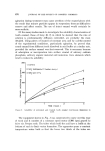
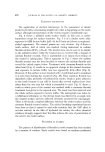
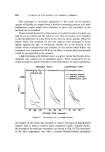
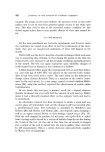
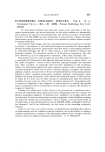
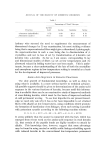
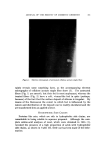
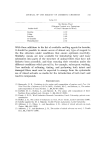
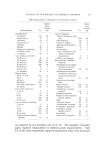
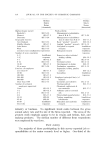
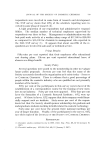
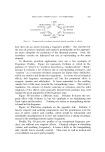
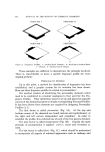
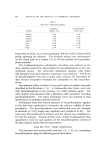
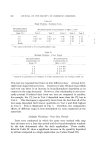
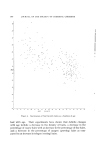
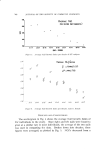
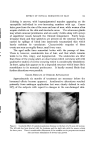
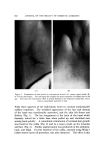
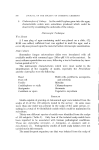
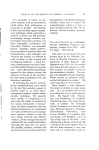
SPECTROSCOPIC STUDIES OF SKIN 471 RESULTS AND DISCUSSION The ATR spectrum shown in Fig. 2(a) was typical of those obtained from skin in situ. Its main features, which agreed with those reported by Blout and Mellors (1) for various tissues, are:- (i) the broad absorption centred at ca. 3400 cm-1 due to moisture, which probably obscured any absorptions due to NH groupings, (ii) the relatively weak C-H absorptions at 2950 and 2860 cm-1, (iii) the very weak carbonyl absorption at 1740 cm-l, due to an ester, (iv) the strong absorption at 1640 cm-•, which was due to a combination of a moisture absorption and the polypeptide amide Figure 2 ATR spectra of skin. I absorption, (v) the polypeptide amide II absorption at ca 1540 cm-•, and (vi) absorptions due to CH 2 and CH 3 groups at 1460 and 1380 cm-•. There were relatively small differences in the ratios of the intensities of the absorptions in the wavelength range 1300 to 1000 cm-• for different individuals and a very significant difference in the intensity of the moisture absorption at ca. 3400 cm-1. This latter effect was probably due to varia- tions in the perspiration rate between individuals the former variations have not been investigated further. The spectrum shown in Fig. 2(b) is of the same hand after a hand cream, the major components of which were mineral oil, fatty alcohol, water and stearic acid, had been applied in the usual manner. Comparison of this spectrum with that shown in Fig. 2(a) shows a very significant increase in the intensities of the absorptions at 2950, 2860, 1460 and 1380 cm-•. These absorptions are due to an aliphatic hydrocarbon grouping and the increased intensities indicated retention of the mineral oils and fatty alcohol by the
Purchased for the exclusive use of nofirst nolast (unknown)
From: SCC Media Library & Resource Center (library.scconline.org)