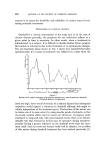
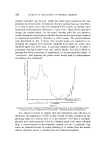
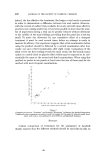
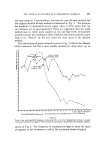
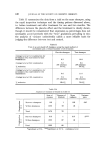
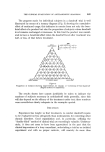
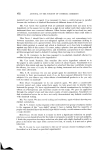
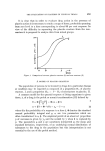
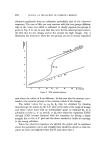
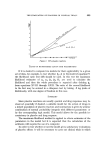
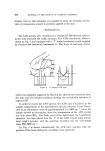
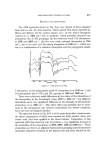
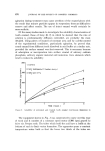
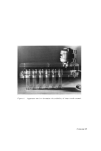
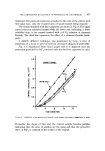
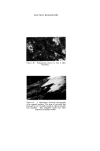
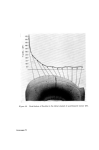
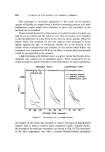
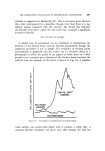
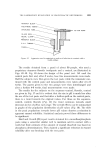
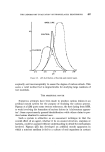
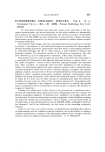
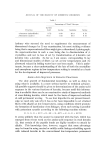
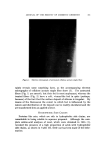
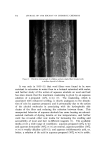
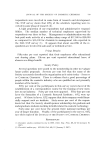
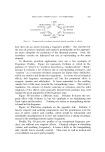
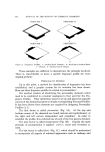
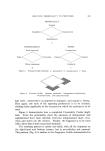
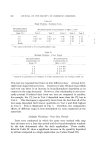
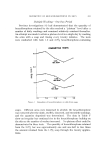
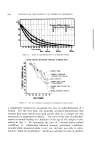
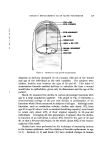
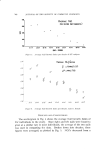
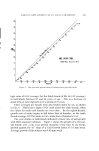
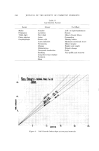
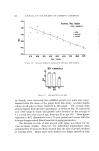
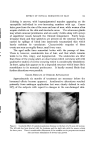
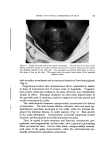
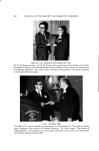
476 JOURNAL OF THE SOCIETY OF COSMETIC CHEMISTS agitation during treatment may cause attrition of the enamel pieces with the result that minute particles appear in suspension: these are difficult to remove and affect results. The use of intact enamel would certainly be more realistic. Of the many studies made to investigate the solubility characteristics of tooth enamel, those of Gray (6, 7) in which he showed that the rate of solution is predominantly diffusion controlled, are probably the most detailed. Using pieces of enamel of constant area and by careful control of the experimental conditions, particularly agitation, he proved that sound enamel from different teeth dissolved in acid buffer at a similar rate, provided the surface enamel was first removed. This is necessary because of adsorption or incorporation into surface enamel of salivary calcium phosphate, salivary organic material and numerous trace elements which tend to reduce its solubility. ,-. 200 [ • •5o. o • 50, 1. Control 2. SnF a toothpaste (1:3water slurry) • 3. SnF• soln. 0'1% • x 2 x ß TIME ( hours ) Figure 2. Solubility of untreated and treated tooth enamel (continuous immersion in acid). The equipment shown in Fig. 1 •vas constructed to carry out this type of work and it consists of a constant speed motor (1300 rpm) geared to drive six Perspex rods. The tubes which hold the acid have a baffle at the bottom of each to limit vortex formation. The apparatus spans a constant temperature water bath so that the lower two thirds of the tubes are

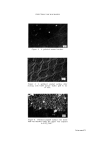
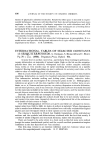
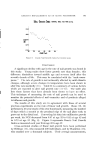
? Figure l. Apparatus used to determine the solubility of intact tooth enamel. Facing page 476
Purchased for the exclusive use of nofirst nolast (unknown)
From: SCC Media Library & Resource Center (library.scconline.org)