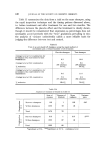
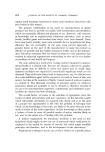
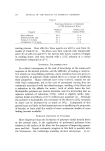
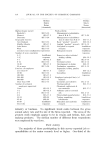
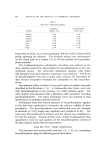
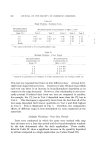
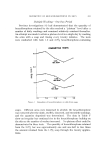
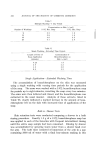
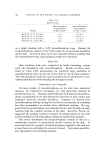
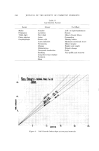
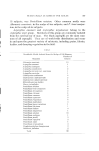
532 JOURNAL OF THE SOCIETY OF COSMETIC CHEMISTS Table V Multiple Washing--1 Day Period Number of Washings Concentration on Skin (v/cm 2) 2.0% Hex. Soap 1.0% Hex. Soap 9 3.2 1.8 12 3.9 1.9 16 4.0 2.3 20 4.7 2.6 Table VI Single Washing--Extended Time Periods Length of Time of Soap Application (minutes) Concentration of Hexachlorophene on Skin (v/cm 2) 0.25 1.3 2.0 2.3 4.0 3.6 8.0 5.2 Single Application--Extended Washing Time The accumulation of hexachlorophene on the skin was measured using a single washing with varying time periods for the application of the soap. The arms were washed with a 2.0% hexachlorophene soap for periods up to eight minutes, rewetting the soap every two minutes. The arms were then lathered and rinsed, and the hexachlorophene was extracted in the usual manner. Analysis of these extracts, listed in Table VI, clearly indicated a marked increase in the amount of hexa- chlorophene left on the skin with increased time of application of the soap. Bath rs. Shower Tests Skin retention tests were conducted comparing a shower to a bath rinsing procedure. Exactly 1.0 g of a 2.0% hexachlorophene soap bar was applied to each of the forearms with frequent intermittent rinsing until the entire soap sample had been consumed. Rinsing by shower was accomplished by spraying warm water from a shower head over the arm. The bath rinse consisted of immersion of the arm in a pan containing 3000 ml of water with a final four-minute soaking in this

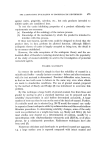
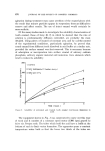
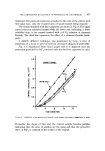
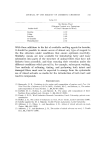
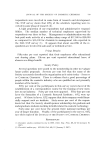
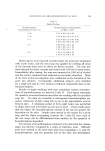
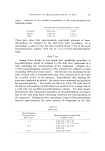
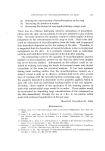
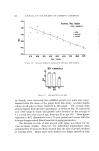
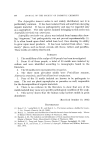
DEPOSITION OF HEXACHLOROPHENE ON SKIN 533 water. Analysis o[ the alcohol extractions of the arms prodcued the following results: Concentration of Hexachlorophene on Arms Procedure Total (mg) 3,/cm '• Shower 1.34-1.66 2.2-2.7 Bath 1.48-1.56 2.4-2.5 These data show that approximately equivalent amounts of hexa- ½hlorophene are retained by the skin from both procedures. It is interesting to observe that the skin retained about 7.5% of the total hexachlorophene applied (20.0 mg in 1.0 g of 2.0% hexachlorophene soap). Bath Tests During these studies it was found that significant quantities of hexachlorophene would be retained by the skin after immersion in a bath containing low concentrations of the compound. Aliquots of a 10.0% hexachlorophene solution in 50% ethanol were added to a bath containing 5000 ml of warm water. The forearm was moistened in the bath, washed with a nonmedicated soap, then reimmersed in the bath for a period of five to ten minutes. Immediately after bathing the arms were immsered in alcohol the extract was condensed and analyzed for hexachlorophene. The results are listed in Table VII with each of the figures representing an individual test conducted on a single arm in a bath with the specified hexachlorophene content. The data clearly demonstrate that substantial quantities of hexachlorophene are depos- ited on the skin from baths containing relatively low concentrations of the compound. Bathing in water containing 4.0 mg/1 of hexachlorophene deposits approximately the same amount of compound on the skin Table V i i Bath Tests Hexachlorophene Concentration in Bath (mg/1) Hexachlorophene Concentration on Skin (-•/cm 2) 4.0 20.0 40.0 0.87, 0.87, 1.08, 1.26 1.35, 1.61, 1.77, 1.77,2.10 3.39, 4.19, 4.35, 5.00 5.65, 5.81 9.35, 9.35, 10.00
Purchased for the exclusive use of nofirst nolast (unknown)
From: SCC Media Library & Resource Center (library.scconline.org)