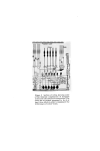
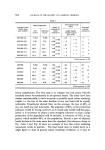
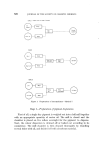
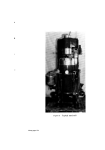
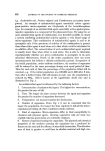
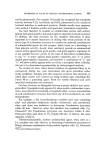
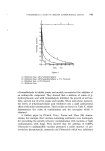
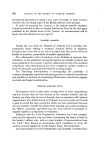
522 JOURNAL OF THE SOCIETY OF COSMETIC CHEMISTS 5t•ge_•- I•epeat with [all range of pigments Cosior o• Weigh ' Stage I--Preparation of pigment dispersions First of all, a single dry pigment is weighed out into a ball mill together with an appropriate quantity of castor oil. The mill is closed and the chamber is placed on live rollers overnight for the pigment to disperse. Next, the colour dispersion is drained off or bailed out according to its consistency. The mill chamber is then cleaned thoroughly by trundling several times with oil, and finished off with absorbent matehal.

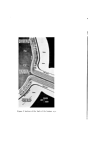
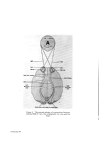
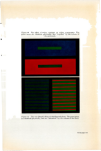
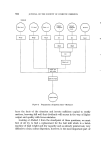
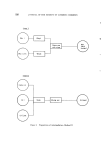
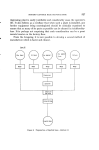
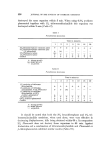
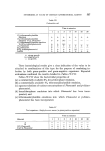
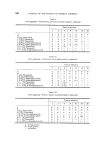
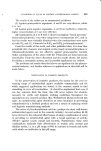
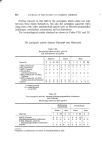
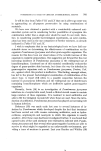
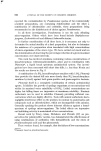
MODERN LIPSTICK BASE MANUFACTURE 523 This process is repeated with every individual pigment used in the lipstick colour range. The result is a series of very good individual colour dispersions in castor oil. To obtain them, however, there has been a lot of handling of drums and cumbersome ball mill chambers, whilst the amount of cleaning created is phenomenal. The cleaning is also of a type which makes it impracticable to use a bath of any sort and thus reduce its drud- gery. Stage II--Preparation of the wax blend The solid constituents of the formula are weighed out into a steam pan, melted and mixed. The blend is drawn off by bucket, and then cast into slabs. Stage III--Preparation of the oil blend The various oily materials of the formula, except for castor oil, are weighed into a suitable tank, mixed, and the blend is pumped into drums for storage. The foregoing three components, together with perfume and further castor oil are mixed, as indicated by the flow diagram shown in Fig. 2. Stage IV--Preparation of the lipstick base Because the pigments are stored in suspension, they must be stirred up before being weighed out in the right proportions for the shade being made. The mixture of colours is then stirred together and passed through a colloid mill. In the meantime, the wax and oil blends together with further castor oil are weighed, heated and stirred together until homogeneous. The colour dispersion is then added, thoroughly mixed and then the lipstick is tested for shade. Finally, the perfume is added, and the mass is drawn off by bucket and cast into trays for storage. DISCUSSION OF METHOD I When reviewing any manufacturing process from the operational viewpoint, we should ask ourselves the following two questions:-- (a) Are we doing unnecessary work? (b) Are we doing necessary work in the easiest way? If the answer to (a) is 'yes', and to (b) 'no', the progressive company
Purchased for the exclusive use of nofirst nolast (unknown)
From: SCC Media Library & Resource Center (library.scconline.org)