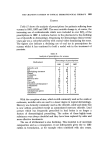
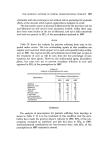
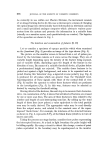
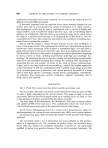
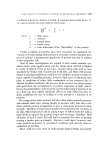
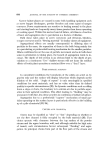
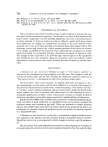
THE CHANGING PATTERN OF TOPICAL DERMATOLOGICAL THERAPY 669 crater is now seldom, if ever, used. Zinc salts in the form of the oxide or carbonate are still a common ingredient of preparations applied to ulcers. Table VI Analysis of prescriptions for varicose ulcers Medicament Dyes Zinc salts Antibacterial agents Antibiotics Corticosteroids Tar Ichthamrnol Hydrous wool fat Percentage of prescriptions 1951 30 40 12 0 0 12 18 0 1957 lO 50 16 o o 16 16 o 1967 o 20 12 25 25 6 6 6 Antibacterial agents and antibiotics appear as ingredients in 36% of the prescriptions in 1967 and are used when infection is a complicating factor. Tar and ichthammo1 are still used to a limited degree, usually as ingredients of a paste-impregnated bandage applied to the ulcer. FUNGAL INFECTIONS The prescriptions for patients suffering from fungal infections are analysed in Table VII. The problem with the topical treatment of these conditions is to obtain a preparation which effectively carries the fungicide to the site of the infection. Hair and nail infections by fungi are particularly resistant to topical treatment. In the past, treatment of ringworm of the scalp often involved the removal of the hair by means of X-rays and surgical removal of the nail in nailinfections. The introduction of griseofulvin in 1958 marked a great advance in the treatment of fungal infections of the skin. This antibiotic is administered systemically, and is selectively taken up into the keratin layer which becomes resistant to the infection. As the outer, infected layers of keratin are shed, they are replaced by a keratin layer which is free from infection. The usefulness of griseofulvin in the treatment of fungal infections is reflected in the analysis of prescriptions for 1967 when it was used in 59% of the prescriptions analysed. However, it has not completely replaced topical treatments but there has been a marked reduction in the variety of topical fungicides prescribed. The well- established combination of salicylic and benzoic acids remains one of the

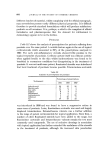
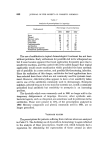
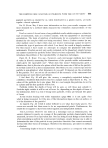
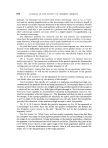
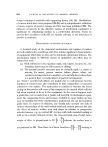
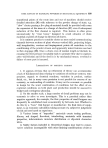
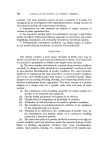
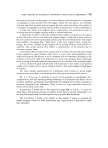
670 JOURNAL OF THE SOCIETY OF COSMETIC CHEMISTS Table VII Analysis of prescriptions for fungal infections Percentage of prescriptions Medicament 1951 1957 1967 Dyes 20 16 0 Iodine 20 16 4 Salicylic acid 40 23 14 Benzoic acid 33 23 14 Phenol 20 23 0 Mercury salts $0 18 0 Zinc salts 10 18 0 Zinc undecenoate 0 16 16 Dithranol 0 18 0 Potassium permanganate 0 8 0 Griseofulvin (systemic) 0 0 59 Nystatin 0 0 4 most commonly used topical preparations whilst zinc undecenoate is pre- scribed at about the same frequency. It is of interest to note that griseofulvin itself is of little, if any, value when applied topically and disappointing results have been obtained with other fungicidal antibiotics introduced for topical treatment. The complexity of the mixtures prescribed in 1951 and 1957 is reflected in the number of ingredients which were present in one preparation. This was due to the effort on the part of the prescriber to find fungicidal com- binations of greater effectiveness in an attempt to treat the condition solely by topical application. DERMATOLOGICAL FORMULATIONS This analysis of dermatological prescriptions indicates that since 1951 there has been a general trend towards the use of fewer medicaments with greater specificity of indications. During the same period the impact of the cosmetic chemist on dermatological formulation has increased the complexity of many of the preparations that are now used. The most notable feature, of course, has been the production of dermatological preparations with greater cosmetic acceptability than those used some 20 or 30 years ago. This has stemmed from the introduction of emulsifying agents and the preparation of cream formulations in place of the older type of greasy ointment. The realisation that the vehicle as well as the medica- ment can play an important part in the effect of the preparation has led to an intensified study of the compatibility of the medicament with the base
Purchased for the exclusive use of nofirst nolast (unknown)
From: SCC Media Library & Resource Center (library.scconline.org)