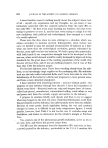
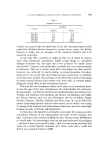
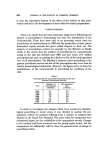
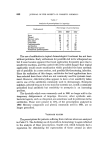
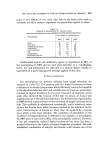
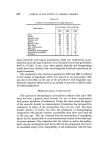
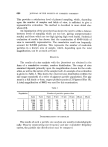
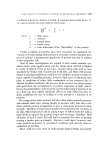
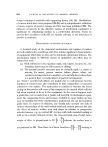
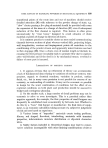
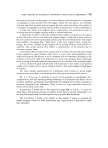
670 JOURNAL OF THE SOCIETY OF COSMETIC CHEMISTS Table VII Analysis of prescriptions for fungal infections Percentage of prescriptions Medicament 1951 1957 1967 Dyes 20 16 0 Iodine 20 16 4 Salicylic acid 40 23 14 Benzoic acid 33 23 14 Phenol 20 23 0 Mercury salts $0 18 0 Zinc salts 10 18 0 Zinc undecenoate 0 16 16 Dithranol 0 18 0 Potassium permanganate 0 8 0 Griseofulvin (systemic) 0 0 59 Nystatin 0 0 4 most commonly used topical preparations whilst zinc undecenoate is pre- scribed at about the same frequency. It is of interest to note that griseofulvin itself is of little, if any, value when applied topically and disappointing results have been obtained with other fungicidal antibiotics introduced for topical treatment. The complexity of the mixtures prescribed in 1951 and 1957 is reflected in the number of ingredients which were present in one preparation. This was due to the effort on the part of the prescriber to find fungicidal com- binations of greater effectiveness in an attempt to treat the condition solely by topical application. DERMATOLOGICAL FORMULATIONS This analysis of dermatological prescriptions indicates that since 1951 there has been a general trend towards the use of fewer medicaments with greater specificity of indications. During the same period the impact of the cosmetic chemist on dermatological formulation has increased the complexity of many of the preparations that are now used. The most notable feature, of course, has been the production of dermatological preparations with greater cosmetic acceptability than those used some 20 or 30 years ago. This has stemmed from the introduction of emulsifying agents and the preparation of cream formulations in place of the older type of greasy ointment. The realisation that the vehicle as well as the medica- ment can play an important part in the effect of the preparation has led to an intensified study of the compatibility of the medicament with the base

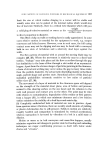
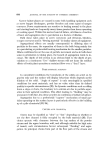
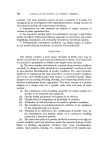
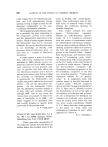
THE CHANGING PATTERN OF TOPICAL DERMATOLOGICAL THERAPY 671 in which it is incorporated, and to the role of the vehicle in releasing the medicament on the skin surface and promoting its penetration into the skin. Some of these aspects are dealt with by Barrett (1) and Baker (2). However it is relevant here to mention the effect which the use of these more sophisticated preparations in dermatology has had on prescribing practice. Many of the preparations in use in topical dermatology today are the result of scientific formulation in the pharmaceutical industry, and it is no longer possible for the dermatologist to mix together several preparations in the hope that the mixture will be compatible. A recent outbreak of pseudomonas infection in a skin hospital was found to be due to contamin- ated steroid cream which had been prepared by diluting a proprietary preparation with an aqueous cream containing cetomacrogol emulsifying wax as the emulsifying agent. The preservative present was chlorocresol and in the presence of cetomacrogol its antiseptic activity had been reduced with the result that the cream became heavily contaminated with pseudo- monas. Experiences such as these emphasise the utmost care that has to be exercised both on the part of the dermatologist in directing that a pro- prietary product should be mixed or diluted with another preparation, and also on the part of the pharmacist when he is called upon to carry out such an operation. It is to be expected in the future that as a more scientific understanding of skin diseases is acquired it will become possible to treat the underlying causes by systemic administration of drugs designed to correct a metabolic disturbance or other underlying physiological cause. Topical treatment, however, is likely to play an important part in dermatology for some con- siderable time to come and the study of preparations used in topical dermatology will remain of interest for many years. (Received: 9th September 1968) REFERENCES. (1) Barrett, C. W. J. Soc. Cosmetic Chemists 9•0 487 (1969) (2) Baker, H. ibid. 239 DISCUSSION DR. P. F. WILDE: Why don't the columns add up to 100 when they are a per~ centage of prescriptions? THE LECTURER: They do not add up to 100 in all cases because there were some prescriptions for preparations which were not easily classified on the basis that I have
Purchased for the exclusive use of nofirst nolast (unknown)
From: SCC Media Library & Resource Center (library.scconline.org)