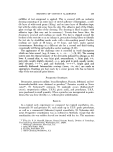
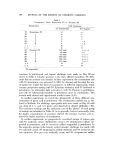
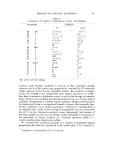
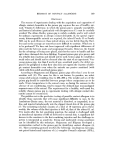
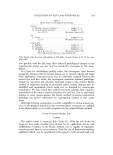
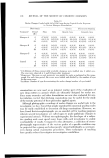
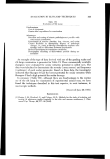
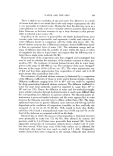
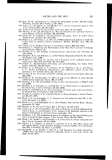
BIOASSAY OF CONTACT ALLERGENS 157 Table II Scnsitization with Different Concentrations of Picric Acid Ointment Sensitization Challenge a 58 1% 59 I (ñ +) (tr) 60 (++++ ñ) (++++) 6• (+++) (++) 62 (d--i-++) (-1-- ñ) 63 (+++) (++) 21 13 64 0.2% 65 I 0 0 66 -t-+++ ((++)) 67 68 ((tr)) 0 69 •6-V,. 9 70 0.04% +++ (+) 71 J 0 0 7•. (+ ñ) ((ñ)) 73 tr 0 74 0 0 75 I ++ + ñ 6-1/•. 3 ,•24h, (48 h), ((72 h)) readings. o'.'ntment each strongly sensitized % animals in their particular groups whereas only % of the guinea pigs prospectively sensitized to 5% neomycin surfate ointment in fact became sensitized. Further, the reactions to strepto- mycin and mafenide were considerably more intense and slower to resolve than those to neomycin. Sulfamylon cream is used in the therapy of extensive burns however, its sensitizing potential precludes its use as a routine topical antibiotic. Streptomycin is a potent contact sensitizer, allergic contact eczema to streptomycin being an occupational hazard of nurses who frequently han- dle the medication (as in certain sanitariums). Neomycin is incorporated as an antibiotic into a wide variety of topical preparations, but at a concentra- tion of 1% or less. Neomycin sensitivity occurs infrequently, but because of the large numbers at risk, cases of allergic contact dermatitis to neomycin are not uncommon in clinical medicine (8). Certainly neomycin sulfate is a weaker sensitizer than streptomycin sulfate. We evaluated the sensitizing potential of a number of unlabelled topical preparations that had been purchased in the market place.* In a typical ex- * Supplied as coded material by Dr. F. N. Marzulli,

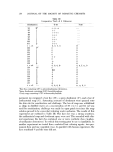
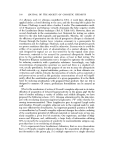
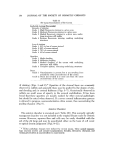
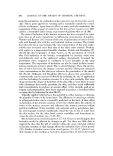
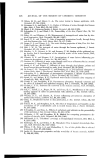
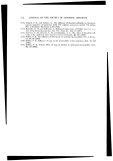
158 JOURNAL OF THE SOCIETY OF COSMETIC CHEMISTS Table III Comparative Trials of 3 Unknowns Sensitization T-16 T-28 94 95 96 97 98 99 100 101 t. c. x4 102 103 104 105 106 107 108 109 t. c. x4 110 111 112 113 114 115 116 117 t.e. x4 ß o +++ ñ ++ +q-q-+ ++ 0, 0, 0, tr 0 0 0 0 f. tr 0 -- o o, o, o, o o (td o o o o tr 0 0, 0, 0, 0 "Hair dye containing 2.8% p-phenylenediamine derivatives. •Spray deodorant containing 0.03% hexachlorophene. CGreen soap containing 0.75% tribromosalicylanilide. 0 0 0 tr 0 0 0 0 0 0, 0, f. tr, 0 0 0 0 0 0 0 0 0 tr, tr, 0, 0 periment, we compared a hair dye (H), a spray deodorant (F), and a bar of antibacterial soap (G). Saturating amounts of deodorant were sprayed onto the skin site for sensitization and challenge. The bar of soap was solubilized as chips in distilled water at a concentration of 1% (w/v) and 0.1 ml was used for sensitization challenge was made by open patch test since the soap solution proved to be somewhat irritating under occlusion. The results of this experiment are outlined in Table III. The hair dye was a strong sensitizer, the antibacterial soap and deodorant spray were not. This accorded with clin- ical experience the hair dye contained one or more synthetic dyes (p-phen- ylenediamine derivatives) for which skin testing prior to use is mandatory. In another experiment we tested three marketed hair coloring agents: two per- manent dyes and one vegetable rinse. In parallel with human experience, the dyes sensitized % and the rinse did not.
Purchased for the exclusive use of nofirst nolast (unknown)
From: SCC Media Library & Resource Center (library.scconline.org)