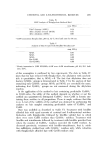
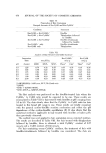
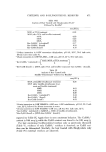
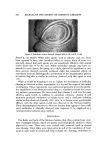
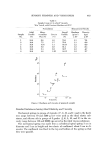
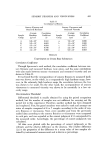
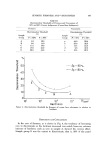
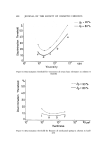
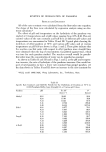
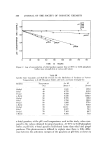
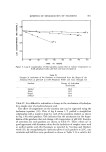
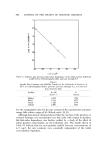
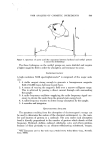
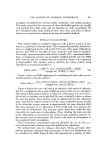
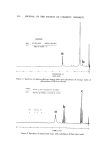
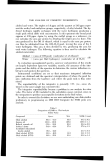
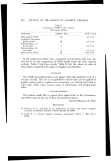
TESTING ANTIACNE AGENTS IN DOGS 477 Vitamin A acid was the most effective material tested. In addition to marked extrusion of the plugged follicles (Figs. i and 9,), vitamin A acid treat- ment caused exfoliation of epidermal keratin layers and irritation as evi- denced by moderate erythema on all sites. Slight edema also was observed on several treated sites. Histologieally, sites treated with vitamin A add showed hyperplastie and parakeratotie epidermal changes. Minimal subacute infiam- nlatory reactions were also evident in the upper dermis. There was no evi- dence of keratin plugging on microscopic examination of the vitamin A add treated sites. The influence of soap and washing was studied in the last series of tests. Both the bland and abrasive soaps had a marked cleansing effect on the topical surface layers however, neither of the preparations removed any of the deeper-seated keratogenous material from follieular sites. The use of an abrasive cleanser showed no overt benefits over the conventional soap prepa- ration. DISCUSSION The skin of the Mexican hairless contains follicular structures filled with black keratogenous material, much like the "blackheads" observed in human ache. Their number varies widely. In certain areas, they are too numerous and closely congregated to be accurately counted. Other areas are devoid of these follicular plugs. The dorsal aspects of the trunk and the laterial aspects of the hind quarters usually contain rows of these follicules distributed so that iden- tification and counting can b'e performed (Fig. 1). The lipid content of ex- pressed coinedones is currently being compared with normal surface lipids. Preliminary results (13) indicate a higher concentration of free fatty acids and ester waxes from these follicles than from surface lipids. These lipid frac- tions have been implicated as comedogenic agents in both animals (5, 7) and man (14). Histologically, these plugged follicles appear to be invaginations of the epidermis they are large cystic structures with sebaceous glands and clus- ters of nevus-like cells appearing at their base ( Fig. 3). Our results indicate that two distinct types of effects occurred as a result of topical therapy: (a) cleansing, which was evident by the gross removal of surface lipids with entrapped dirt, and (b) extrusion of keratin plugs from follicular sites. The use of vehicles or soaps to wash or cleanse the skin are beneficial in that they remove excess surface lipids and dirt particles (15) which may help in the formation of follicular plugs. Thus, this may be more properly con- sidered a preventative measure than actual ache therapy as these preparations do little, if anything, to existing follicular plugs. In the search for an active agent to enhance the extrusion of follicular plugs, vitamin A acid has been shown to be a very effective agent (16), a fact con-

478 JOURNAL OF THE SOCIETY OF COSMETIC CHEMISTS Figure 3. Histologic section through plugged follicle (H. and E. X 40) firreed in our studies. While other agents, such as salicylic acid, etc., have been reported to have some beneficial effect on various forms of acne, it is generally agreed that such agents are not consistently effective. Our animal model shows this to be the case. While individual animals may have re- sponded to such agents, the group, as a whole, showed no significant or uni- form activity. Benzoyl peroxide produced slight but consistent effects on comedome removal. Histologically, acceleration of the keratinization process in hairless dog skin is similar to reactions observed with this agent in man (17). While it would be tempting to try to explain the mechanism of follicular clearing as observed in these experiments, it is beyond the scope of this initial investigation. Thcse experiments were performed primarily to test the predic- tive capabilities of the Mexican hairless dog as a nonclinical model for screen- ing antiacne preparations. We have noted that vitamin A acid was the most effective agent tested. In addition to comedone extrusion, vitamin A acid treatment produced exfoliation of keratin layers and a moderate irritation similar to that observed clinically (16). Also, as in human acne, questionable efficacy with the other agents tested was observed in the Mexican hairless. These dermatological reactions in Mexican hairless dogs appear to have suffi- cient similarities to clinically observed acne responses to be employed as a valid preclinical antiache assay method. CONCLUSIONS The flanks and back of the Mexican hairless dog often contain large num- bers of plugged follicles which are grossly and histologically similar to those observed in man. These sites were treated with materials used in clinical ache therapy. Color slides were taken prior to and at the conclusion of treat- ment in each study to record and help evalt•ate site cleaning, comedone re-
Purchased for the exclusive use of nofirst nolast (unknown)
From: SCC Media Library & Resource Center (library.scconline.org)