j. $oc. Cosmet. Chem., 30, 369-373 (November 1979) A skin moisturiation assay ROBERT L. RIETSCHEL Present Address Emory University School of Medicine, 215 IVoodruff Memorial Bldg., Atlanta, GA 30322. Received June 1, 1979. Presented at Annual Scientific Seminar, Society of Cosmetic Chemists, May 1979, Dallas, Texas. Synopsis The addition of WATER to STRATUM CORNEUM can be reflected in TRANSEPIDERMAL WATER LOSS (TWL) measurements obtained with an electrolytic water analyzer. Inhibition of TWL by occlusive moisturizers has been documented and, conversely, increases in TWL can be shown to reflect the hydration state achieved by occlusive plastic wrap, wet dressings, and skin moisturizers. INTRODUCTION Stratum corneum moisturization is accomplished fundamentally by the addition of water. This basic tenant of cutaneous biology was expounded in 1952 by Irvin Blank (1). Since then efforts to moisturize skin have taken two divergent directions. Products capable of occluding the skin are generally accepted as moisturizing enhancing and act by blocking evaporative water loss. However, they tend to be cosmetically unappeal- ing. The alternative has been to add water by applying hydroscopic agents to skin. The goal is to attract enough moisture to the area that stratum corneum will be plasticized. Objective evaluation of product occlusivity has been achieved by monitoring decreases in transepidermal water loss (TWL) (2,3). This same technology can be used to examine the moisture enhancing properties of humectants (4). If a product is applied to a normal individual's skin and the TWL is lowered, the product is considered occlusive. However, it may also have dried the skin by decreasing insensible sweating or diminished the amount of water present in the stratum comeurn. If higher than normal TWL readings are achieved, the product may have 1) damaged the horny layer allowing an increase in exudation of body fluids, 2) altered the horny layer in such a way as to increase water transpiration without damage to the integretity of the layer, 3) stimulated insensible sweating or 4) added and held moisture within the stratum corneum and it is being detected. Moisture added by methods 2, 3, or 4 should be useful in the treatment of dry skin. The higher than normal TWL readings which occur Dermatology Service, Department of Medicine, Brooke Army Medical Center, Fort Sam Houston, Texas 78234. 369

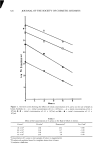
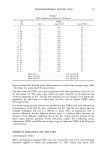
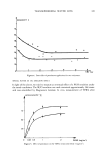
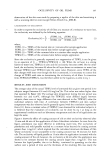
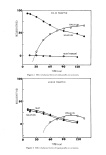
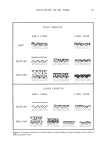
370 JOURNAL OF THE SOCIETY OF COSMETIC CHEMISTS following application of humectants to skin are not a direct measure of in vivo water content, but they represent the presence of more moisture available for hydration of the horny layer. MATERIALS AND METHODS The Meeco electrolytic moisture analyzer (EMA) has been used to study TWL (2,5). A stream of dry nitrogen gas passed over a small area of skin and through the electrolytic sensor is registered as moisture-detectable at the skin surface. Under normal cool conditions, the values obtained with and without anticholinergics are similar (6). As a reading is taken, the detectable moisture reaches a plateau, which when stable for 30 sec is taken as the end point representative of the steady rate at which moisture is evaporating from the surface. In order to study products applied to human skin, the subject must have a normal, intact stratum corneum as any break in the horny layer results in increased water detection (7,8). TWL tends to be a characteristic value for any given individual (5). Individuals with low TWL tend to always be low those with high TWL tend to always be high. The range of TWL values with the electrolytic water analyzer is from 0.10 to 0.80 mg cm -2 hr -• in an ambient environment of 23øC, 40-50% relative humidity. The studies reported here were done on an individual with mid-range TWL values. Skin temperature was measured by a thermistor fastened to the forearm with Micropore © tape. Skin temperature variations accounted for some of the differences in TWL from day to day, but no correction factor was applied as all products tested were influenced equally and the temperature variation was not great. DETECTION OF ADDED WATER There are two simple and accepted ways to temporarily add water to the skin: Immerse the skin in water or occlude the area with plastic wrap for several hours. Water-soaked gauze pads were placed over the forearm for 30, 60 and 90 min after which the excess moisture was blotted away with tissue. Readings were taken with the EMA at varying intervals beginning 1-4 min after removing the gauze. Plastic wrap was applied to the forearm for 1-2 hr with Micropore tape. Excess sweat was removed with a tissue and readings taken 1-4 min following removal of the occlusion. A constant reading for 30 sec was used as an end point. Control TWL readings were taken at adjacent untreated sites. RESULTS The increase in moisture detected after wet gauze hydration and occlusion are seen in Table 1. The added water was gone within I hr. DETECTION OF OCCLUSION TWL studies have previously shown a diminution of evaporative water loss from the skin surface when various compounds are applied. To confirm these studies petrola-
Purchased for the exclusive use of nofirst nolast (unknown)
From: SCC Media Library & Resource Center (library.scconline.org)