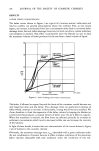
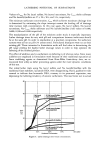
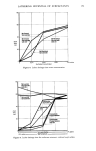
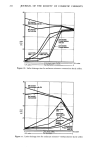
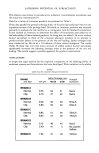
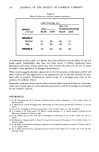
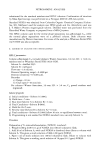
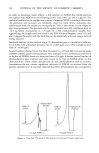
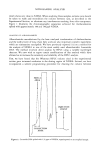
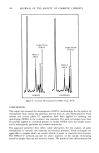
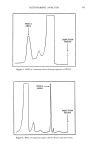
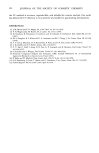
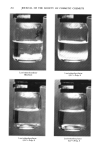
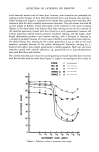
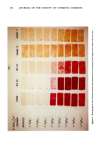
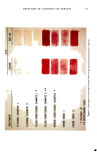
250 JOURNAL OF THE SOCIETY OF COSMETIC CHEMISTS INJECTION POINT NDE1A AREA SPIKED INJECTION POINT NDE1A AREA UNSPIKED Figure 4. Cocamide DEA analyzed for NDEIA using a RCSS. CONCLUSION This report has reviewed the development of HPLC methodology for the analysis of nitrosamines from several raw materials, derived from di- and triethanolamine. Both normal and reverse phase LC separations have been applied to isolating and quantitating NDE1A in the cosmetic raw materials. The same techniques have been successfully applied to a finished product to isolate NDE1A from the sample matrix and to subsequently quantkate the isolated nitrosamine. The approach presented here offers viable alternatives for the analysis of polar nitrosamines in cosmetic raw materials and finish•ed products. These techniques are applicable to samples which are readily soluble in water or water/alcohol mixtures. The HPLC/UV methods provide for direct injection of the sample, eliminating extensive sample clean-up and recovery studies. The statistical data demonstrates that

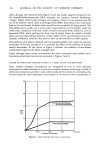
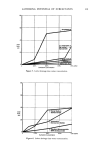
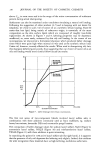
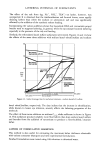
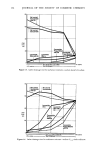
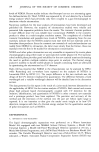
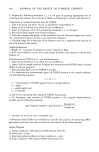
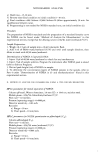
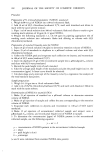
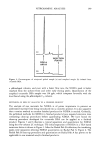
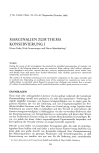
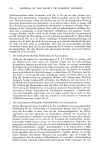
NITROSAMINE ANALYSIS 251 NDE1A AREA INJECTION POINT 1 Figure 5. HPLC of a sunscreen lotion showing separation of NDE1A. J NDE1A AREA INJECTION POINT Figure 6. HPLC of reinjected sample collected from a sunscreen lotion.
Purchased for the exclusive use of nofirst nolast (unknown)
From: SCC Media Library & Resource Center (library.scconline.org)