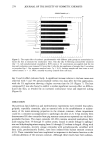
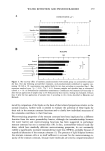
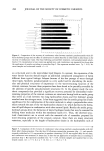
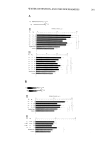
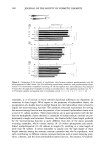
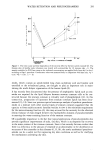
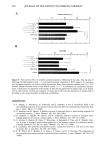
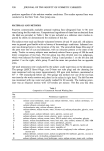
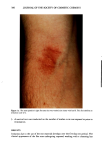
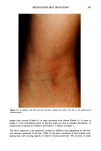
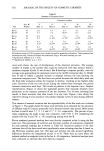
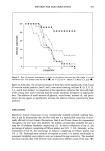
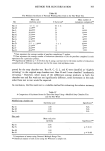
METHOD FOR SKIN IRRITATION 299 rinsed for approximately 10 seconds under running tap water until all lather was re- moved and then patted dry with a soft disposable towel. The procedure was repeated on the right arm using the left hand with the other product being tested. The test sites were treated three times daily with 1.5 hours between washings for five consecutive days. The test sites were evaluated by a trained examiner for irritation immediately prior to each wash and four hours after the third daily wash, for a total of 20 evaluations. Sites were graded using a seven-point scoring system (0-3). Dryness is not scored in this method as flakes are removed by the application procedure. Grade Description 0 Normal, no erytherna + Barely perceptible erytherna 1 Mild erythema, no edema 1 + Mild to moderate erythema, with/without edema 2 Moderate confluent erythema, with/without edema 2 + Moderate to deep erytherna, edema 3 Deep erythema, edema, vesiculation Each site was treated in the prescribed method for a maximum of fifteen washes or until a moderate confluent erythernic response (Grade 2) was elicited. When a grade of 2 or greater (Figure la) was attained, treatment of the site was discontinued. Continuing treatment beyond this point quickly results in a severe response and discomfort to the subject. The remaining flex area was washed until Grade 2 erythema was attained or fifteen treatments completed. Subjects were restricted from applying any rnoisturizing products to their arms. This included the use of body lotions, sunscreens, and bath oils. Additionally, subjects were instructed not to wash the test sites with soap during bathing. Sunbathing was prohib- ited during the test week. STATISTICAL ANALYSIS The data was analyzed by four methods. When an endpoint was reached, that score was carried through for all remaining evaluations. Mean total irritation score and standard deviation were calculated for each bar tested. This "mean erythema score" was used for general intercomparisons between tests and to provide a graphic picture of a bar's per- formance during the test week. For all statistical analyses, when a subject's first site reached an endpoint score, the scores for both sites were carried through for all remaining evaluations. However, treat- ment of the remaining site was continued. The following statistical methods were used: 1. A sign test utilizing the binomial equation was used to evaluate data for only those subjects who reached an endpoint. This method determined which product treat- ment resulted in achieving this endpoint first for erythema dryness was not evalu- ated. Subjects who were able to complete all wash treatments on both arms were considered a tie. 2. The Wilcoxon matched pairs test was used to compare erythema scores at the time of first site termination regardless of the number of treatments. The Wilcoxon test was also used to compare scores at each observation point.

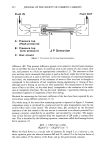
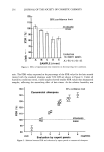
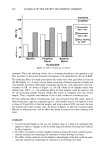
300 JOURNAL OF THE SOCIETY OF COSMETIC CHEMISTS Figure la. The same panelist's right flex area that was washed nine times with bar B. This flex exhibits an irritation score of 2. 3. A survival test was conducted on the number of washes a site was exposed to prior to termination. RESULTS Irritation due to the use of the test material develops over the five-day test period. The clinical appearance of the flex area undergoing repeated washing with a cleansing bar
Purchased for the exclusive use of nofirst nolast (unknown)
From: SCC Media Library & Resource Center (library.scconline.org)