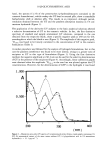
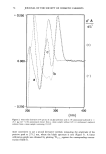
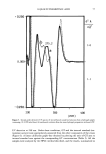
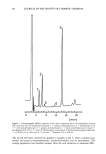
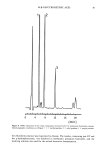
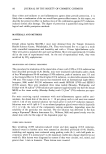
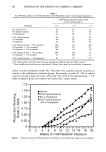
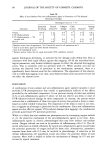
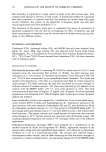
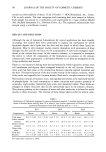
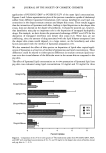
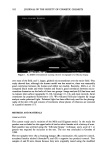
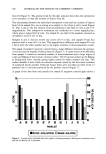
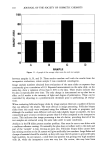
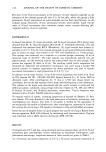
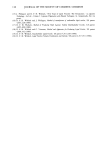
88 JOURNAL OF THE SOCIETY OF COSMETIC CHEMISTS Table I Anti-Wrinkling Effect of Anti-Oxidant Plus Anti-Inflammatory Agent vs Individual Components % Wrinkling reduction a when vehicle control wrinkle grade is: Treatment 0.5 1.0 1.5 5% Ascorbic acid 5% Alpha-tocopherol 5% Hexadienol 0.5% Hydrocortisone 1% Ibuprofen 1% Naproxen 0.5% Hydrocortisone q- 5% tocopherol 1% Ibuprofen q- 5% tocopherol 1% Naproxen q- 5% tocopherol 0.5% Hydrocortisone q- 5% ascorbate 1% Naproxen q- 5% ascorbate 0.5% Hydrocortisone q- 5% hexadienol 70 54 23 82 53 29 64 48 25 38 35 26 68 40 29 64 48 26 100 b 73 b 60 b 100 b 87 b 67 b 88 73 b 52 b 100 b 90 b 73 b 91 80 b 42 82 75 b 47 b a All wrinkle grade reductions shown here are significantly different from the vehicle control. b These wrinkle grade reductions are significantly different from those for the individual components. tumor at study termination (week 20), while there was a greatly reduced incidence of tumors in the combination treatment groups. For example, at week 20, 70% of vehicle control mice had at least one tumor, while only 10% of the 0.5% hydrocortisone q- 5% alpha-tocopherol group had tumors (one mouse had a single tumor). 1.75 1.50 1.25 1.00 0.75 050 ' 0.25 ß Vehicle ß 0.5% Hydrocortisone •5% o•-Tocopherol A0.5% Hydrocortisone +5% o•-Tocopherol 0 2 4 6 8 10 12 14 16 18 20 Weeks of UVB Radiation Exposure Figure 1. Protection against UVB-induced skin wrinkling by anti-inflammatory agent plus anti-oxidant.

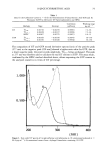
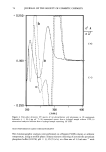
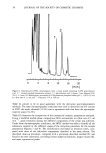
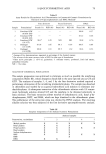
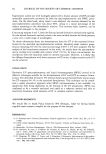
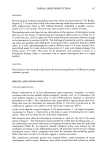
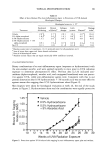
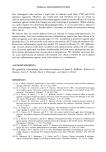
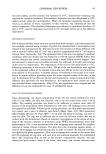
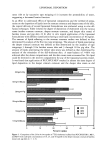
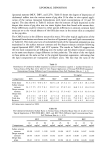
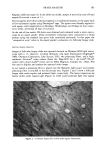
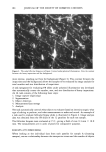
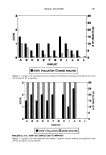
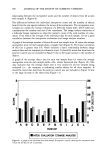
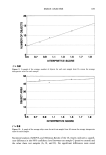
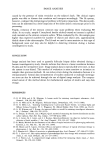
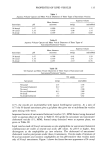
TOPICAL PHOTOPROTECTION 89 Table II Effect of Anti-Oxidant Plus Anti-Inflammatory Agent in Prevention of UVB-Induced Histological Changes Histological scores (n = 5) a Epidermal Dermal Collagen GAG Treatment thickening cellularity b damage increase Elastosis b Damage index c 2.0 2.7 2.0 ] 1.0 ] 4.9 12.6 ] 5% Alpha-tocopherol 1.8 2.6 1.4 ] 0.6] 4.2 10.6 ] 0.5% Hydrocortisone 1.5 ] 2.0 1 0.9 ] 0.6 4.8 9.8 ] 0.5% Hydrocortisone + 5% alpha-tocopherol 0.9] 1.9 0.1] 0.2] 4.4 7.5] No UV 0.1 ] 1.0 ] 0 0.1 0.6 ] 1.8 ] Baseline scores (start of experiment, 10-12-week-old mice) for all parameters are 0. Sum of scores from upper and lower dermal evaluations. Sum of all histological scores. Brackets enclose values that are equal statistically (95% confidence interval). UVA PHOTOPROTECTION Binary combinations of an anti-inflammatory agent (naproxen or hydrocortisone) with the anti-oxidant ascorbic acid were applied topically to mice prior to UVA radiation exposure to determine photoprotective effect. Previous data (2,3,6) indicated anti- oxidants (alpha-tocopherol, ascorbic acid, and conjugated hexadienes) were not protec- tive against UVA, while anti-inflammatory agents were. Consistent with this is our present observation that 0.5 % hydrocortisone + 5% ascorbic acid was no more effective against mouse skin sagging than 0.5% hydrocortisone alone (Figure 2). Skin biopsies were taken for histological evaluation at week 26, the end of the study shown in Figure 2. Hydrocortisone alone and the combination were equally protective 1.25 ß Vehicle T [] 0.5% Hydrocortisone _/• 1.00 ß 0.5% Hydrocortisone ,y .L + 5% Ascorbic Acid ß/ 0.75 0.50 0.25 0 I I I I I ß I I I I I •' I I I I I I I 10 12 14 16 18 20 22 24 26 28 30 Weeks of UVA Radiation Exposure Figure 2. Protection against UVA-induced skin sagging by anti-inflammatory agent plus anti-oxidant.
Purchased for the exclusive use of nofirst nolast (unknown)
From: SCC Media Library & Resource Center (library.scconline.org)