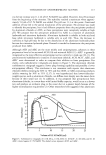
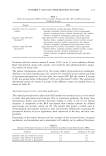
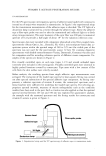
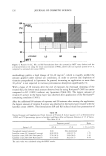
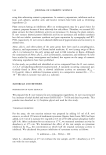
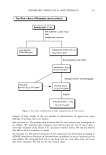
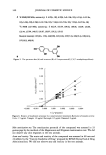
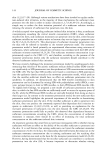
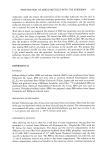
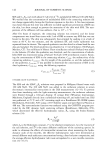
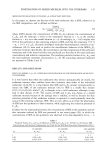
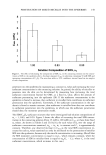
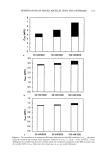
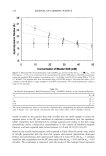
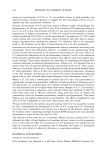
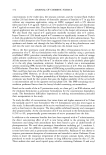
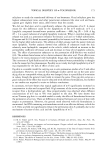
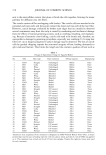
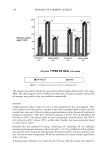
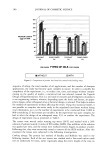
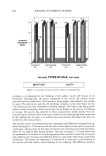
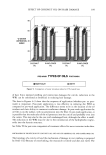
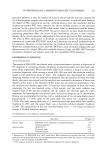
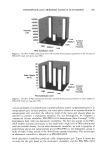
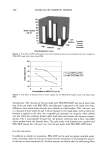
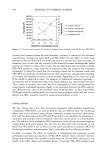
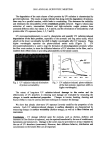
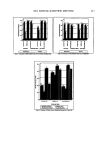
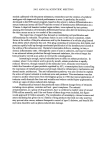
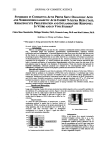
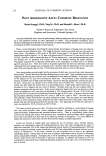
186 JOURNAL OF COSMETIC SCIENCE % WATER RETENTION INDEX 12 15.3 •' t14.1 COCONUT OIL •'-•.. •:. . i SUNFLOWER OIL 5.• 14.9 14 5 13.8 • :::: ß .•_,?..'..• ,• . i I I COCONUT OIL ,}•{•' SUNFLOWER Oil PRE-WASH TYPES OF OILS POST-WASH ltll WITHOUT [3WITH Figure 6. Comparison of water retention index for undamaged hair. combing is accompanied by the breaking of the surface cuticle cell because of its brittleness. Histologically, the major component of the cuticle cell consists of the exocuticle and the endocuticle. The exocuticle, being highly cross-linked is not swollen by water. The endocuticle and the cell membrane complex, on the other hand, are less cross-linked and are more vulnerable to swelling damage. This leads to the lifting of the surface cuticle via bending. Such cuticle cells can be broken in the process of combing or teasing. The protein loss observed in these measurements results mostly from the cuticular region. Because of the short time involved in the combing and brief immersion of the combed tress in water, it is unlikely that proteins from the bulk of the fiber are involved in this measurement. The data for protein loss measurement for undamaged and differently damaged hair are shown in Figures 1-4. The bars on the left refer to tests where oil was used as a pre-wash conditioner, whereas those on the right are for the tests involving post-wash treatments where oil was applied after drying the hair. The data in Figures 1-4 clearly show that the performance of coconut oil in reducing protein loss was better than that of mineral and sunflower oils. Coconut oil performed better as a pre-wash rather than a post-wash conditioner. This shows the importance of lubrication vs reduction in the swelling of the cuticle cells that leads to their breaking in wet combing. The difference between

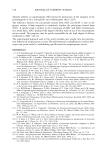
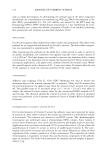
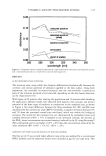
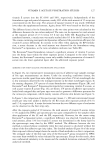
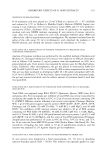
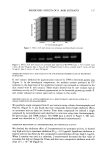
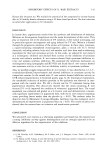
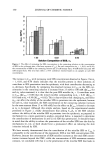
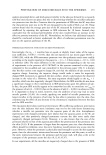
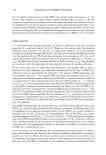
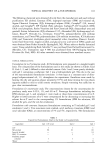
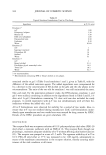
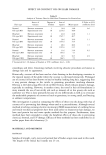
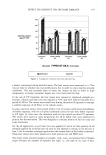
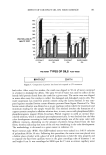
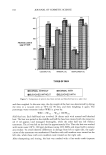
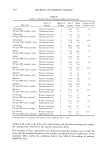
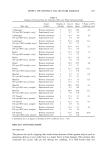
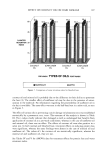
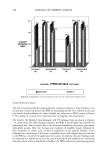
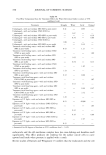
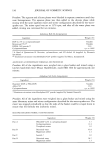
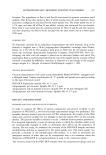
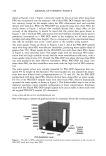
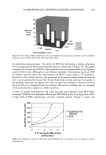
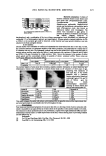
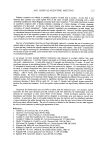
EFFECT OF COCONUT OIL ON HAIR DAMAGE 187 60-( i• 52 3 •[• 52 4 • 52 3 J ß ' 0.4 'i' '50.9 "", 45 .{ .?• . RETENTION 30 { • ß INDEX • '• COCONUT SUNFLOWER COCONUT SUNFLOWER OIL OIL OIL OIL PRE-WASH TYPES OF OILS POST-WASH BWITHOUT E3WITH J Figure 7. Comparison of water retention index for bleached hair. coconut oil and mineral oil is probably due to the difference in their ability to penetrate the hair (4). The smaller effect of sunflower oil may be due to the presence of unsat- uration in the molecule. No information regarding the penetrability of sunflower oil in the hair is available. The same effect was seen in the half-head test in a salon trial, as seen in Figure 5. The effect of various oils in preventing cuticle damage in laboratory tests was established statistically by a parametric test, t-test. The outcome of the analysis is shown in Table III. The t-values clearly indicate that damaged as well as undamaged hair benefits from application of coconut oil as a pre-wash conditioner, whereas in the case of sunflower oil and mineral oil, there was no effect. The effects of coconut oil were also positive in a salon test. In both normal and bleached hair, treatment effects in reducing protein loss were significant, whereas the same findings were absent in the case of mineral oil and sunflower oil. The values of t for coconut oil are statistically significant, whereas for mineral oil and sunflower oil, they are not. See Tables IV and V for ANOVA data for treatment effects for protein loss and water retention index.
Purchased for the exclusive use of nofirst nolast (unknown)
From: SCC Media Library & Resource Center (library.scconline.org)