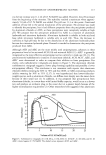
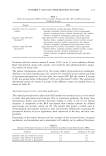
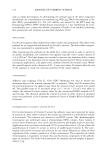
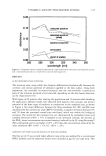
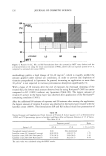
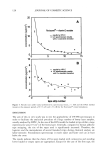
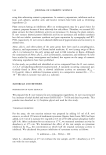
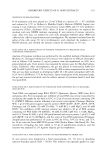
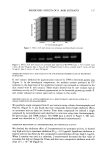
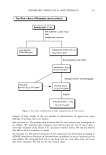
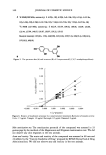
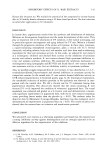
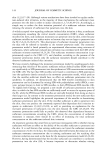
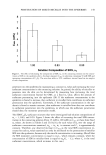
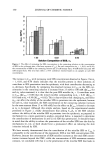
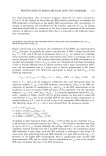
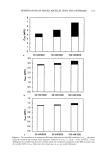
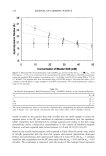
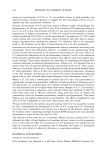
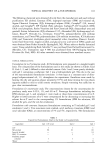
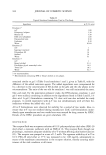
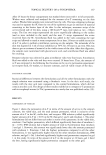
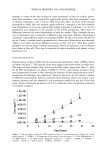
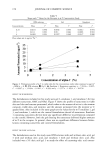
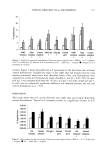
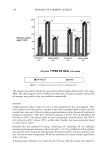
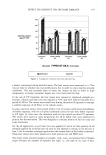
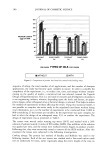
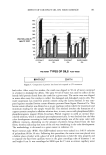
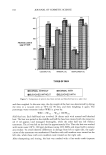
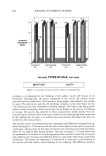
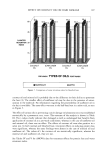
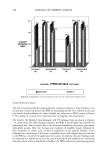
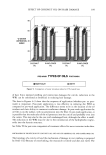
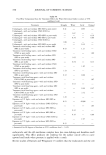
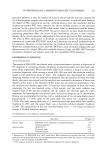
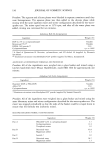
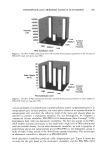
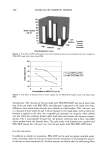
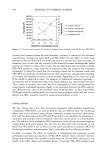
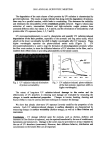
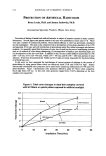
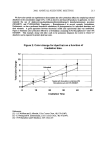
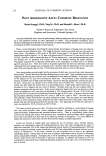
200 JOURNAL OF COSMETIC SCIENCE 80: 70 60-- Water Uptake 50 •: (wt %) 20-- 10 .--' High Medium PEG Substitution Level Crosslink Density I Process Parameter Low Figure 4. The effect of PEG substitution level and crosslink density process parameter on water uptake for PEG-DCP made with short-chain PEG. lOO 90 80 70 60 50 4 lO 6 8 Concentration of PEG-DCP (wt. %) --*- Low CDPP/Low PEG --=- High CDPP/High PEG ] Figure 5. The effect of dilution level on water uptake for two PEG-DCP samples made with short-chain PEG. dimethicone. The viscosity of the gel made with PEG/PPG-DCP was much lower than that of the gel made with PEG-DCP, and although it appeared to be stable over time, differences were noted when the gels were rubbed on a hard surface. This "rub-out" test is a measure of how stable the gel is when exposed to very high shear, such as when the formula is applied to the skin. An acceptable gel maintains its integrity when rubbed out, but when the emulsion breaks under high shear and releases the aqueous antiper- spirant, this is unacceptable because this can produce stickiness and a more noticeable white residue when the formula dries. The gels made with dimethicone copolyol and PEG-DCP passed the "rub-out" test, but the gel made with PEG/PPG-DCP failed. MULTIPLE EMULSIONS In addition to simple w/s emulsions, PEG-DCP can be used to prepare multiple emul- sions, including water-in-silicone-in-water (w/s/w) emulsions (3) and propylene glycol- in-silicone-in-water emulsions (4). In these systems, we believe that the thickening effect

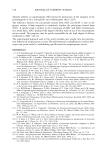
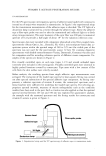
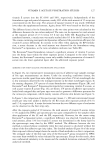
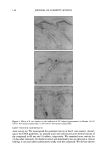
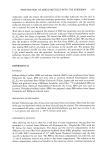
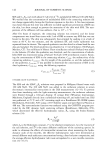
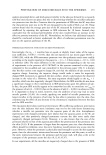
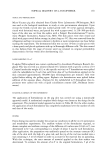
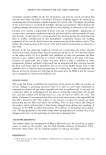
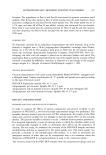
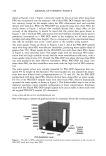
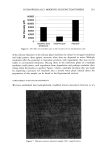
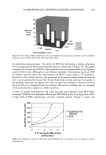
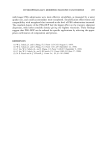
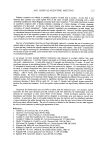
HYDROPHILICALLY MODIFIED SILICONE ELASTOMERS 201 140000 .-. 120000 ---- 100000 ß • 80000 o • 60000 • 40000 • 20000 PEG/PPG-18/18 PEG/PPG-DCP PEG-DCP Dimethicone Figure 6. The effect of emulsifier type on the viscosity of w/o antiperspirant gels. of the silicone elastomer in the silicone phase stabilizes the initial w/s (or pg/s) emulsions and helps protect them against inversion when they are dispersed in water. Multiple emulsions offer the potential to formulate products with ingredients that may not be stable in conventional emulsions. Placing them in the innermost phase of a multiple emulsion could protect such ingredients from degradation and perhaps modulate their release when the product is applied. Figure 7 shows a multiple emulsion that was made by dispersing a primary w/s emulsion into a second water phase (details about the preparation of this sample can be found in the Experimental section). COMPATIBILITY WITH POLAR INGREDIENTS We have established that hydrophilically modified silicone elastomers function as w/s Figure 7. Multiple emulsion photomicrograph (400x magnification).
Purchased for the exclusive use of nofirst nolast (unknown)
From: SCC Media Library & Resource Center (library.scconline.org)