J. Cosmet. Sci., 62, 317–325 (May/June 2011) 317 Luster measurements of lips treated with lipstick formulations SANTOSH YADAV, NEVINE ISSA, DAVID STREULI, ROGER McMULLEN, and HANI FARES, International Specialty Products, 1361 Alps Road, Wayne, NJ 07470. Accepted for publication January 28, 2011. Presented at the Annual Scientifi c Seminar of the Society of Cosmetic Chemists, Uniondale, New York, June 3–4, 2010. Synopsis In this study, digital photography in combination with image analysis was used to measure the luster of several lipstick formulations containing varying amounts and types of polymers. A weighed amount of lipstick was applied to a mannequin’s lips and the mannequin was illuminated by a uniform beam of a white light source. Digital images of the mannequin were captured with a high-resolution camera and the images were analyzed using image analysis software. Luster analysis was performed using Stamm (LStamm) and Reich-Robbins (LR-R) luster parameters. Statistical analysis was performed on each luster parameter (LStamm and LR-R), peak height, and peak width. Peak heights for lipstick formulation containing 11% and 5% VP/eicosene copolymer were statistically different from those of the control. The LStamm and LR-R parameters for the treatment containing 11% VP/eicosene copolymer were statistically different from these of the control. Based on the results obtained in this study, we are able to determine whether a polymer is a good pigment dispersant and contributes to visually detected shine of a lipstick upon application. The methodology pre- sented in this paper could serve as a tool for investigators to screen their ingredients for shine in lipstick formulations. INTRODUCTION Lips are a predominant anatomical feature of mammals. They are made up of three to fi ve epithelial cell layers, in contrast to the rest of the face, which is made up of 16 epithelial layers on average. Lips form a border between the exterior skin of the face and the mucous membranes in the interior of the mouth. Lips have no hair follicles, sweat glands, or sebaceous glands. Most lipsticks are a dispersion of coloring matter in a blend of oils, fats, and waxes. They are used to impart an attractive color and appearance to lips (1). By using appropriate lipsticks, narrow lips can be made to appear wider, whereas broad sensual lips can be made to appear narrow. The color of lipstick is one of the major selling points. Color is imparted to the lips either by stain or through pigments. The depth of color and opacity of lipsticks can be var- ied. Lip luster (gloss, shine) is an important feature of lip appearance, and this attractive visual effect is a key consumer objective in the cosmetics market. Perception of lip luster is

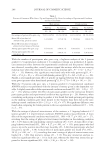
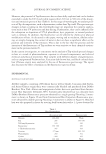
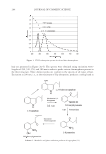
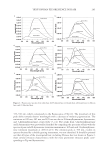
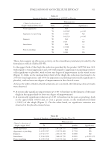
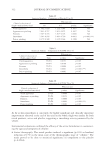
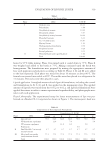
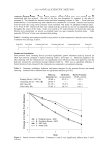
JOURNAL OF COSMETIC SCIENCE 318 affected by many factors, such as the lighting of the environment, lip color, surface smooth- ness, and lip morphology. Luster effects are based on the interaction of light with the physi- cochemical properties of the substrate. They are based on the specular and diffuse refl ection of light from the surface and takes into account various characteristics of the refl ected light. Hedonic evaluation of luster is commonly used to compare lipsticks with different shine profi les. Thus the need to develop quantitative methodology to enable objective luster eval- uation is essential. In the fi eld of color cosmetics, the most representative effects are those that are associated with visual effects, such as color and luster. Korichi et al. (2) have studied different properties and visual effects of lipstick by image analysis directly on volunteers. This method provides visual information that is similar to consumer perception and enables one to quantify, directly on volunteers, the color of lipsticks and their evaluation with time. Ryu et al. (3) have described wrinkle-reducing lipsticks on humans by image analysis. A lip’s texture profi le affects the color tone and spread phenomena of a lipstick formulation. In this article we discuss the experimental details of luster measurements by employing image analysis for quantifying the light distribution of lips illuminated with white light. Mannequin lips were used throughout the experiment, from a mannequin head with a skin texture very similar to that of humans. The interpretation of the data is based on the shape of the light-scattering curves, calculated luster parameters, and visual examination of the digital images of the lips. EXPERIMENTAL MATERIALS Ozokerite (White Ozokerite Wax SP1020) was purchased from Strahl & Pitch, West Babylon, NY. Polyethylene (Performalene Polymer) was obatined from New Phase Tech- nologies, Sugar Land, TX. Octyldodecyl stearate (Ceraphyl ODS), diisopropyl adipate (Ceraphyl 230), octyldodecyl stearoyl stearate (Ceraphyl 847), phenethyl benzoate (X-tend 226), C12-15 alkyl lactate (Ceraphyl 41), myristyl lactate (Ceraphyl 50), phe- noxyethanol (and) caprylyl glycol (Optiphen), VP/hexadecene copolymer (Ganex V-216), and VP/eicosene copolymer (Ganex V-220) were obtained from ISP, Wayne, NJ. Hydro- genated polyisobutene (Panalane L-14 E) was obtained from Lipo Chemicals, Paterson, NJ. Tocopheryl acetate was obtained from Rita, Woodstock, IL. Polybutene (Indopol H-100) was obtained from INEOS, League City, Texas. Mica, iron oxides, and titanium dioxide were obtained from BASF Corporation, Florham Park, NJ. The mannequin (Bioskin Doll Model F-200) was purchased from Beaulax Co., Ltd, Japan. The F-200 European face model was made from polyvinyl chloride (PVC) resins and coated with a special eroded surface by a mold erosion process to create human skin texture. It simulates and feels like human skin and is specifi cally designed for color cos- metics and makeup applications. METHODS Formulations. A detailed composition of the lipstick base used in our study is displayed in Table I. Ingredients of phase I were weighed and combined together in a beaker, then
Purchased for the exclusive use of nofirst nolast (unknown)
From: SCC Media Library & Resource Center (library.scconline.org)