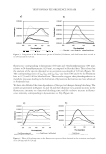
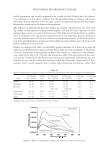
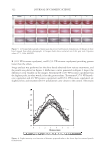
JOURNAL OF COSMETIC SCIENCE 318 affected by many factors, such as the lighting of the environment, lip color, surface smooth- ness, and lip morphology. Luster effects are based on the interaction of light with the physi- cochemical properties of the substrate. They are based on the specular and diffuse refl ection of light from the surface and takes into account various characteristics of the refl ected light. Hedonic evaluation of luster is commonly used to compare lipsticks with different shine profi les. Thus the need to develop quantitative methodology to enable objective luster eval- uation is essential. In the fi eld of color cosmetics, the most representative effects are those that are associated with visual effects, such as color and luster. Korichi et al. (2) have studied different properties and visual effects of lipstick by image analysis directly on volunteers. This method provides visual information that is similar to consumer perception and enables one to quantify, directly on volunteers, the color of lipsticks and their evaluation with time. Ryu et al. (3) have described wrinkle-reducing lipsticks on humans by image analysis. A lip’s texture profi le affects the color tone and spread phenomena of a lipstick formulation. In this article we discuss the experimental details of luster measurements by employing image analysis for quantifying the light distribution of lips illuminated with white light. Mannequin lips were used throughout the experiment, from a mannequin head with a skin texture very similar to that of humans. The interpretation of the data is based on the shape of the light-scattering curves, calculated luster parameters, and visual examination of the digital images of the lips. EXPERIMENTAL MATERIALS Ozokerite (White Ozokerite Wax SP1020) was purchased from Strahl & Pitch, West Babylon, NY. Polyethylene (Performalene Polymer) was obatined from New Phase Tech- nologies, Sugar Land, TX. Octyldodecyl stearate (Ceraphyl ODS), diisopropyl adipate (Ceraphyl 230), octyldodecyl stearoyl stearate (Ceraphyl 847), phenethyl benzoate (X-tend 226), C12-15 alkyl lactate (Ceraphyl 41), myristyl lactate (Ceraphyl 50), phe- noxyethanol (and) caprylyl glycol (Optiphen), VP/hexadecene copolymer (Ganex V-216), and VP/eicosene copolymer (Ganex V-220) were obtained from ISP, Wayne, NJ. Hydro- genated polyisobutene (Panalane L-14 E) was obtained from Lipo Chemicals, Paterson, NJ. Tocopheryl acetate was obtained from Rita, Woodstock, IL. Polybutene (Indopol H-100) was obtained from INEOS, League City, Texas. Mica, iron oxides, and titanium dioxide were obtained from BASF Corporation, Florham Park, NJ. The mannequin (Bioskin Doll Model F-200) was purchased from Beaulax Co., Ltd, Japan. The F-200 European face model was made from polyvinyl chloride (PVC) resins and coated with a special eroded surface by a mold erosion process to create human skin texture. It simulates and feels like human skin and is specifi cally designed for color cos- metics and makeup applications. METHODS Formulations. A detailed composition of the lipstick base used in our study is displayed in Table I. Ingredients of phase I were weighed and combined together in a beaker, then

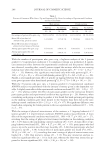
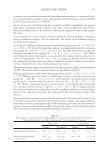
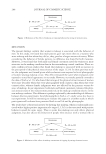
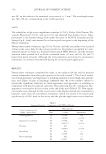
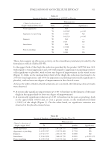
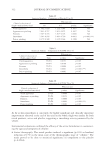
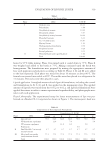
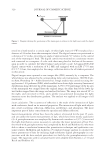
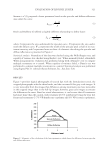
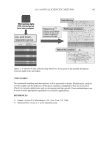
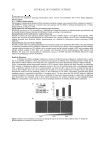
EVALUATION OF LIPSTICK LUSTER 319 heated to 95°C while mixing. Phase I was mixed until it cooled down to 75°C. Phase II was weighed and added to the batch at 75°C. Mixing continued until the batch was homogeneous. The formulations were prepared by mixing the appropriate amounts of base with pigments and polymers according to Table II. Phases I, II, and III were added to the base separately. Each phase was mixed for about 10 minutes at about 80°C. The formula was poured into molds at 80°C. The molds were then placed in a refrigerator for 15 minutes. The sticks were then placed in cases. Lipstick application. A weighed amount of each lipstick formulation, including the control and formulations A, B, C, D, and E, was applied on the mannequin’s lips. The applied amount of lipstick was varied from the 0.01 g to 0.02 g. All lipstick formulations were applied four times in order to ensure experimental reproducibility, and photographs were taken with each application. Digital photography. The experimental setup for luster measurements of lips was per- formed on a Beseler CS-14 copystand as shown in Figure 1. The mannequin’s head was Table I Formulation of the Lipstick Base Phase INCI % W/W I Ozokerite wax 16.11 Polyethylene 7.68 Octyldodecyl stearate 19.40 Diisopropyl adipate 3.07 Octyldodecyl stearoyl stearate 18.40 Phenethyl benzoate 6.14 C12-15 alkyl lactate 16.87 Myristyl lactate 1.54 Hydrogenated polyisobutene 9.36 Tocopheryl acetate 0.29 Retinyl palmitate 0.14 II Phenoxyethanol (and) caprylyl glycol 1.00 Total 100.00 Table II Compositions of Tested Lipstick Formulations Phase INCI Formulations (% W/W) Control A B C D E F I Lipstick base 75.0 64.0 64.0 64.0 70.0 70.0 70.0 VP/hexadecene copolymer 11.0 7.0 5.0 VP/eicosene copolymer 11.0 4.0 5.0 Polybutene 5.0 II D&C Red No.7 in isocetyl stearoyl stearate 2.7 2.7 2.7 2.7 2.7 2.7 2.7 III Mica (and) iron oxides (and) titanium dioxide 22.3 22.3 22.3 22.3 22.3 22.3 22.3 Total 100.0 100.0 100.0 100.0 100.0 100.0 100.0
Purchased for the exclusive use of nofirst nolast (unknown)
From: SCC Media Library & Resource Center (library.scconline.org)