EQUIVALENCE EVALUATION OF MOISTURIZERS IN AD PATIENTS 297 Exclusion criteria: (i) patients with a history of frequent, severe skin symptoms with the use of cosmetics (ii) patients with a history of hypersensitivity to preparations contain- ing heparinoid substances (iii) patients with hemorrhagic blood disease (hemophilia, thrombocytopenia, purpura, etc.) (iv) patients in whom serious consequences may occur with even minor bleeding (v) patients receiving systemic treatment with oral corticoste- roids or immunosuppressants for AD and (vi) other patients judged by the physician as unsuitable subjects. The trial was explained to the subjects in writing, and informed consent was obtained before enrollment. A total of 50 subjects were recruited in this study and assigned to two groups as described in TRIAL METHOD section. TEST MEDICATIONS The following two preparations were used in the trial. Moisturizing cosmetic: an oil- in-water (O/W)-type emulsion using a phospholipid emulsifi er provided by KOSÉ Cor- poration (Tokyo, Japan). The main components of this moisturizing cosmetic other than phospholipid were glycerin, butylene glycol, squalane, cholesterol, and cetyl ethylhex- anoate, which were listed in the Japanese Standards of Quasi-drug Ingredients. Control product: an O/W-type preparation (pharmaceutical product, Hirudoid® lotion Maruho, Osaka, Japan) containing 3.0 mg/g of a heparinoid substance. The components other than heparinoid substance in the control product were glycerin, squalane, petrolatum, cetyl alcohol, carbomer, and so on. TRIAL METHOD Subjects were randomly assigned to a moisturizing cosmetic group and a control product group at a ratio of 1:1 and were asked to apply an appropriate amount of the respective preparation to the test site (forearm or abdomen) basically according to the fi nger-tip unit method (7) twice a day (morning and evening or after bathing) for 4 weeks. The subjects were observed at the start of the trial, after 2 weeks, and after 4 weeks (day of completion). When adverse reaction occurred, subjects were instructed to immediately discontinue the preparation and come to the hospital. OBSERVATION ITEMS Dryness and desquamation at subject sites were observed and evaluated using the criteria as: 0 (none), no dryness or desquamation 1 (slight), very minor dryness or desquamation of the skin 2 (mild), minor dryness or desquamation of the skin 3 (moderate), obvious drying or desquamation of the skin and 4 (severe), severe dryness or desquamation of the skin. Other fi ndings were described on the observation form. Subjects were asked about itchiness at subject sites, and evaluations were made using the 5-point scale as: 0, almost no itchiness is felt 1, sometimes feels a little itchy, but not enough to scratch 2, some- times reach and scratch lightly 3, quite itchy and scratch even in front of other people and 4, itches so much that one cannot remain still. The degree of improvement during

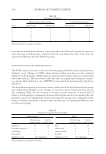
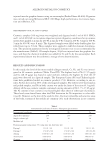
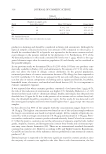
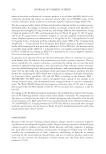
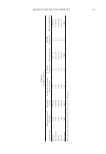
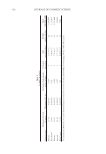
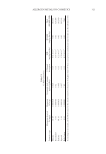
JOURNAL OF COSMETIC SCIENCE 298 the trial period was determined according to the following criteria as: improved, obvious improvement is seen in skin fi ndings including dryness, desquamation, and pruritus somewhat improved, very slight to slight improvement is seen in skin fi ndings including dryness, desquamation, and pruritus unchanged, no change in skin fi ndings including dryness, desquamation, and pruritus and exacerbated, exacerbation of skin fi ndings including dryness, desquamation, and pruritus. Adverse reaction was observed and subjects were asked about subjective symptoms at 2 weeks from the start and at the completion of application. In cases of withdrawal, an evaluation was made at the time of discontinuation. The degree of safety was determined according to the following criteria as: safe, no side effects almost safe, mild side effects, but use can be continued without treatment some problem, side effects, but use can be continued with treatment and problem, side effects requiring discontinuation. Transepidermal water loss (TEWL) was measured using a VAPO SCAN AS-VT100RS® (Asahi Biomed, Tokyo, Japan), and skin surface conductance as an indicator of stratum corneum moisture content was measured using a Corneometer ASA-M2® (Asahi Biomed). Temperature and humidity at the measurement environment were 23.2° ± 1.0°C and 53.7 ± 5.1%, respectively. A questionnaire on skin condition, feel of use with the test preparation, and QOL was administered to subjects on the day started (before application of preparation) and the day completed. The questionnaire was composed of multiple-choice and free-answer questions. STATISTICAL ANALYSIS Improvement and safety rates were calculated and a between-group comparison was per- formed using the Wilcoxon rank-sum test. Regarding skin fi nding (dryness and desqua- mation) score and pruritus score, a between-group comparison was made with the Wilcoxon rank-sum test for the change in scores between the start day and 2 and 4 weeks. In measurements of TEWL and moisture content in the stratum corneum, the same mea- surement site was measured fi ve times and outliers were excluded using the Smirnov test (signifi cance level, 1%). The change of TEWL and moisture content before and after use was statistically evaluated using the Wilcoxon rank-sum test because of non-normal dis- tribution. A between-group comparison of difference values (Δ) of TEWL and moisture content was carried out using Welch’s t-test because of no equality of variance. RESULTS SUBJECTS The age distribution of patients is shown in Table I. No differences were seen between groups in terms of age or sex of patients. No related complications were observed except for ichthyosis in one patient in the control product group. Levels of dryness/desquamation and pruritus at the start of the trial are shown in Tables II and III, respectively. No major differences were seen between both groups in the amount of variation and in the answer
Purchased for the exclusive use of nofirst nolast (unknown)
From: SCC Media Library & Resource Center (library.scconline.org)