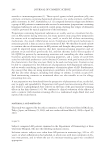
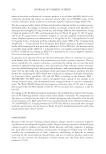
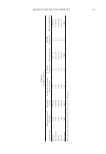
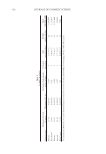
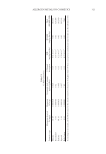
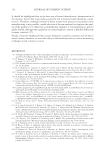
ALLERGEN METALS IN COSMETICS 315 injected into the graphite furnace using an autosampler (Perkin Elmer AS-800). Digestion was carried out using Milestone MLS 1200 Mega high-performance microwave diges- tion unit (Shelton, CT). MEASUREMENT OF CR, NI, AND CO LEVELS Cosmetic samples (100 mg) were wet weighted and digested with 3 ml of 65% HNO3 and 1 ml of 40% HF in microwave digestion system (digestion conditions for microwave system were applied as 2 min for 250 W, 2 min for 0 W, 6 min for 250 W, 5 min for 400 W, 5 min for 650 W, vent: 8 min). The digested samples were fi lled with double-glass dis- tilled water up to 5.0 ml. These samples were applied to AAS for element determina- tion. The operation parameters for the investigated elements were set as recommended by the manufacturer (Table I). Of sample aliquot, 20 μl was injected into the graphite fur- nace, and then the chemical modifi er was added for Cr and Co by the autosampler. Each experimental datum was the arithmetic average of two determinations. RESULTS AND DISCUSSION In this study, the level of the most notable allergen metals, Cr, Ni, and Co was investi- gated in 48 cosmetic products (Tables II and III). The highest level of Ni (37.95 μg/g) and Co (48.19 μg/g) was found in same eyeliner, whereas the highest Cr level (62.19 μg/g) was detected in a lipstick sample. The European Union (EU) and Turkey legisla- tions have prohibited nickel in cosmetic products (7,8). However, according to our re- sults, Ni was detected in 69% of the investigated samples. The lowest level was found in nail polish samples, and Ni in body creams was under the limit of detection (0.3 ng/ml). Almost all the eye cosmetic samples contained varying amounts of Ni (1.75–37.95 μg/g). The Ni content of eye cosmetics was found higher than those of other type of products. These levels were found lower than the FDA limitation for Ni impurities in color addi- tives (9). However, as the skin of the eyelid is thin, the most vulnerable and sensitive areas of the body, eczemas of the eyelids are common (10) such observations in eye cosmetic Table I Instrumental Conditions of Atomic Absorption Spectrometer Instrumental conditions Cr Ni Co Argon fl ow (ml/min) 250 250 250 Sample volume (μl) 20 20 20 Modifi er (μl) 5 - 5 Heating program temperature (°C ramp time [s], hold time [s]) Drying 1 110 (1–30) 110 (1–30) 110 (1–30) Drying 2 130 (15–30) 130 (15–30) 130 (15–30) Ashing 1500 (10–20) 1100 (10–20) 1400 (10–20) Atomization 2300 (0–5) 2300 (0–5) 2400 (0–5) Cleaning 2450 (1–3) 2500 (1–5) 2450 (1–3)

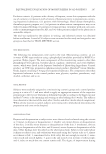
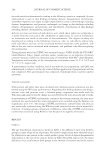
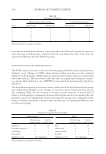
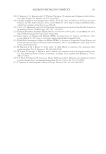
JOURNAL OF COSMETIC SCIENCE 316 products is alarming and should be considered in future risk assessments. Although the lipstick samples contained relatively less amount of Ni compared to other types, it should be considered that Ni in lipsticks was reported to be the most common and rel- evant allergen in the patients referred for lip dermatitis (11). Furthermore, 97% of the Ni-detected products in this study contained Ni levels over 1 μg/g, which is the sug- gested ultimate target value for sensitive population (4) and thereby can be considered as the possible allergen. In our previous study, we determined Ni in 94.29% of the 105 hair care products com- mercially available in Turkey (12), and unfortunately, Ni content of 17.14% of the sam- ples was above the limit of allergic contact dermatitis. In the general population, estimated prevalence of contact sensitization because of Ni allergy has been reported to be 8.6% worldwide (13). And we are exposed to Ni not only with these cosmetic prod- ucts but also in various components of clothing such as zippers and buckles, by jewelry, household items, electronics, and medical and dental devices (14). So it is important to evaluate cumulative exposure. It was reported that when consumer products contained a level more than 1 μg/g of Cr, the risk of the induction of sensitization was higher (15). Similarly, Basketter et al. (16) showed in their study with 17 chromium-allergic healthy individuals, that the patch test threshold was 10 ppm for Cr but in the presence of an irritant such as sodium lauryl sul- fate, the threshold should be considered as 1 ppm. In this study, Cr was detected in all the investigated samples and levels were found higher than 1 μg/g except two mascara samples. Co was detected in 98% of the samples with the concentration ranges from 0.15 to 48.19 μg/g. The highest concentration was found in one of the eyeliner samples whereas the lowest concentration was found in a lipstick sample. All fi ve samples of lipsticks con- tained Co, with an average concentration of 0.58 μg/g and maximum of 1.44 μg/g. Previ- ous studies conducted in cosmetic product showed relatively lower Co levels in cosmetics (17). But the point is, cosmetics are not the only source of exposure, jewelry, belts, leather goods, implants, cleaners, and detergents also contain these metals and continuous expo- sure may cause chronic dermatitis (18). There are no international standards for metals contained in cosmetics yet. However, according to EU and Turkey Cosmetic Regulations, Cr and Ni are listed as one of the substances that are prohibited in any amount in cosmetic products (7,8). Dermal exposure is expected to be the most signifi cant route for cosmetic products since the majority of cosmetics are applied to the skin. But in risk characterization, the last Table II Concentrations of Allergen Metals in Cosmetics Metal Number of samples with detectable metalsa Mean ± SD (μg/g) Range (μg/g) Ni 33 6.79 ± 7.15 0.93–37.95 Cr 48 18.07 ± 19.10 0.51–62.19 Co 47 3.60 ± 7.93 0.15–48.19 SD: Standard deviation. a Non-detectable values were not taken into account.
Purchased for the exclusive use of nofirst nolast (unknown)
From: SCC Media Library & Resource Center (library.scconline.org)