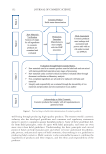
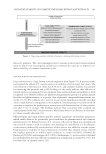
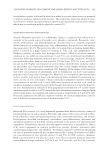
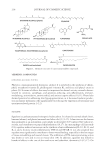
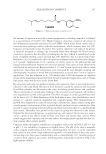
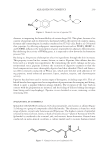
JOURNAL OF COSMETIC SCIENCE 234 Caffeine h as antioxidant properties, helping to fi ght free radicals, which play a role in accelerating the skin aging process. Combinations of caffeine and green tea polyphenols have been reported to have anti-wrinkle properties and the ability to brighten and fi rm up the skin in older individuals (22). The authors drew such conclusions on the basis of studies in which 126 women aged 30–70 years with mimic wrinkles (moderate to pro- nounced) took part. The women applied the selected product to half of their face twice a day (morning and evening) for 4 weeks. In the experiment, women from group 1 used daytime SPF 30 lotion, from group 2 used night cream, and from group 3 used eye cr eam containing caffeine. Authors did not present information on how much caffeine was in the topically applied product. The FOITS technique (Fast Optical In vivo Topometry o f human Skin) was used to measure changes in crow’s feet. In addition, changes in skin barrier function were determined using triplicate TEWL measurements. Four weeks of treatment with the caffeine preparation improved skin smoothness and reduced the depth of wrinkles (23). It has bee n reported that caffeine helps to stimulate hair growth and inhibit their loss (22). Benefi cial changes in the mechanical properties of individual scalp fi bers were ob- served after the caffeine preparation. Fisher et al. (24) took hair follicles from the vertex areas from 14 male patients. Hair follicles were cultivated for 120–192 h in vitro with normal William’s E medium (control) or William’s E medium containing different con- centrations of caffeine (0.001–0.15%). Hair shaft elongation was measured daily, and at the end of cultivation, cryosections of follicles were stained with Ki-67 to evaluate the degree and localization of keratinocyte proliferation. They showed that caffeine concen- trations ranging from 0.001% to 0.005% led to in vitro stimulation of human hair follicle growth. The stimulating effects of caffeine on hair growth can also be explained due to the caffeine phosphodiesterase inhibition activity with consequent increase of cAMP in- tracellular concentration and stimulating cellular metabolism (24). CAPSAICIN IN COSMETICS Capsaicin, (6E)-N-[( 4-hydroxy-3-methoxyphenyl) methyl]-8-methyl-6-nonenamide, is an active ingredient in capsicum plants (Figure 2). Capsaicin is obtained, among others, from fruits of chili peppers (Capsicum chili), jalapeño (Capsicum annuum ‘Jalapeño’), or cay- enne pepper (Capsicum annuum ‘Cayenne’) (25,26). It is known primarily for its character- istic sharp taste and irritating properties on nerve endings, which is used in the food, pharmaceutical, and cosmetics industries. Capsaicin has analgesic, antioxidant, weight loss, antibacterial, and thermoregulatory effects. Discussions are currently underway about the effect of capsaicin on cancer development. Test results of Hwang et al. (27) sug- gest that capsaicin may act as a cocarcinogen, and thus potentiate the carcinogenic effect of 2-O-tetradecanoyl phorbol-13-acetate (TPA). The properti es of capsaicin are used primarily in the pharmaceutical industry as an addi- tive to drugs that inhibit pain associated with rheumatoid arthritis and neuralgia. They have also been used in the cosmetic industry as active, fl avoring, or preservative agents (28). Applying a s mall amount of capsaicin to the skin causes a feeling of warmth or gentle burning. Because of the side effects of long doses of capsaicin, such as secondary hyperal- gesia, the maximum use of capsaicin treatment in drugs is 0.075%. On the other hand,

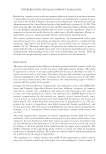
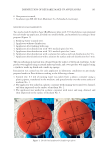
ALKALOIDS IN COSMETICS 235 the amount of capsaicin in over-the-counter preparations, including cosmetics, is allowed at a concentration of 0.025% (10). Warm feeling is created as a result of the release of pro-infl ammatory peptides (substance P and CGRP), which dilate blood vessels and in- crease the heat exchange surface with the environment, which increases heat loss (29). Capsaicin in lip products may be used in the cosmetic industry in all types of lip glosses or lipsticks designed to enlarge lips. Increased blood fl ow through the blood vessels, caused by capsaicin, has the effect of enlarging the lips, which is manifested in the form of slightly swollen, toned, and red lips (30). However, this is a short-term result. Boudreau et al. (31) studied the effect of capsaicin on human sensory and vascular changes in 13 people. Applications of 1% capsaicin or vehicle cream to the glabrous lips and tongue were randomized between two two-trial sessions. The capsaicin trial followed the vehicle trial for each session. Before and after 5, 15, and 30 min capsaicin or vehicle cream application, blood fl ow and temperature were measured by laser-Doppler imaging and thermography. Increases in blood fl ow and temperature occurred after 5 min of capsaicin application. Van der Schueren et a l. (32) showed that 1,000 micrograms of capsaicin produced the maximum response between 30 and 45 min after application, and at 60 min time point, there was decrease in the blood fl ow. By using hai r and scalp care products (masks with capsaicin), there is increased microcir- culation of the scalp blood. Because of local irritation caused by capsaicin and increased blood fl ow, platelets are delivered to the scalp, including growth factors and cytokines. These compounds act immediately, leading to the activation of cell renewal, which affects skin regeneration as well as hair growth. The effect of capsaicin on hair growth was stud- ied by Lee et al. (33). After depilation of the back skin of mice, they divided mice into 4 groups, i.e., control, capsaicin, minoxidil, and co-applied group. They examined hair re- growth after depilation in terms of macroscopic examination, image analysis using pho- totrichogr ams, measurement of hair regrowth length, and microscopic examination. Hair growth of capsaicin group and minoxidil group began faster than that of co-applied group and control. Thereafter, hair growth of the capsaicin group was observed as the fastest, followed by the minoxidil group, co-applied group, and control. On microscopic exami- nation, capsaicin was able to make the hair cycle faster and shorter than control. These results suggest that capsaicin can not only induce the anagen phase quickly but also sus- tain constant effect on hair growth. Capsaicin sh ows the highest solubility in a lipophilic solvent (fat and oil) at pH = 8, but at pH = 5, the solubility of capsaicin is slightly lower. The pH of the skin is normally acidic, ranging in pH values of 4–6 (34) combining these two facts, it can be concluded that capsaicin may show a high affi nity for lipophilic cell membranes of the scalp, pene- trating deep into the tissues transdermally and so transcellularly (35). Another group of cosmetics with capsaicin are creams, slimming balms and products aimed at help in the fi ght against cellulite. Figure 2. Chemical structure of capsaicin (77).
Purchased for the exclusive use of nofirst nolast (unknown)
From: SCC Media Library & Resource Center (library.scconline.org)