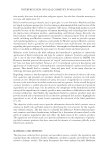
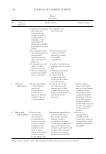
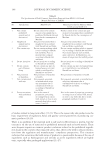
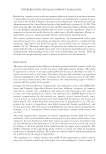
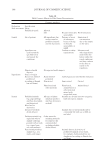
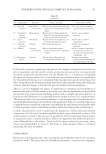
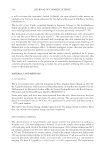
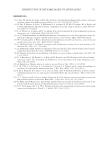
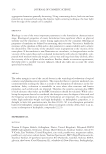
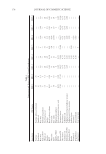
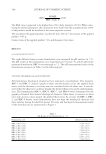
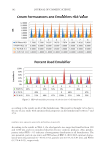
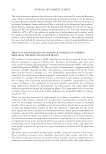
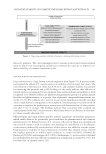
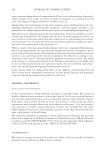
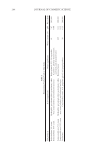
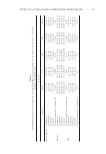
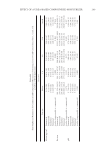
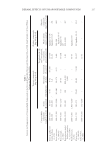
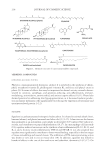
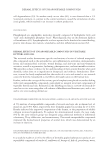
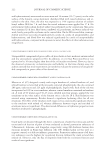
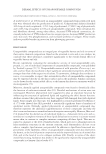
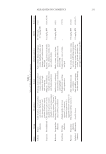
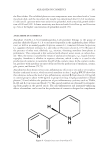
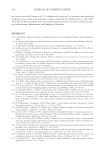
JOURNAL OF COSMETIC SCIENCE 148 Table III Halal Cosmetic Matrix for Halal Status Determination Cosmetic products Evaluation Specifi cations Risk assessment Safety Prohibited-unsafe Allowed Safe Because technically unavoidable With limitations Item(s) List of poisons All ingredients that are not stated as prohibited (unsafe and list of poisons). Presence of traces of substances bcause of being technically unavoidable in GMP. Limitation of concentration due to the impact on the users. Ingredients are used beyond the specifi ed limits and outside the conditions Conform to safety requirements. Substances and other ingredients used within the limits within the stated conditions and they conform to the dates as stated in the regulation. Negative health impacts No negative health impacts Ingredients Source of origin Haram-not allowed- prohibited Halal-allowed- permitted Syubhah-gray area-need further evaluation (according to Shariah law and fatwa) Noncritical Semi-critical Critical Plant-based and other materials Plant-based, animal-based, or other materials mixed with unspecifi ed items Animal-based Item(s) Prohibited animals (e.g., pigs and dogs and their descendants and derivatives) All types of plants and plant products and their derivatives are halal. Animals are divided into two categories: land and aquatic animals. Blood and its derivatives Intoxicate/alcoholic drinks (khamr) Animals that are intentionally and/or continually fed with najs or fi lth are not halal. Predatory animals (e.g., eagles and owls) or animals with long pointed teeth or tusks (e.g., tigers, bears, cats, and monkeys) Other materials, including materials for cosmetics that contain alcohol excluding alcoholic drinks (khamr). Pests or/and poisonous animals (e.g., rats, snakes, and wasps) Animals that are derivatives of prohibited animals are not halal, for examples, halal animals but not slaughtered according to Shariah law and fatwa.

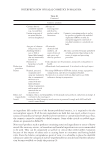
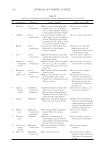
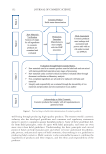
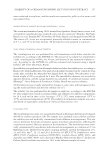
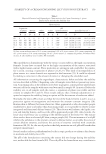
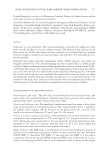
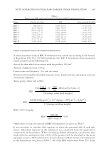
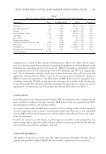
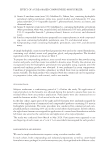
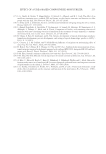
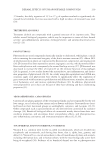
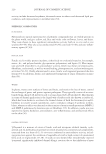
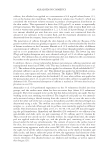
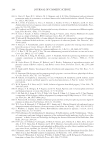
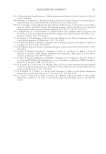
INTERPRETATION OF HALAL COSMETICS IN MALAYSIA 149 Cosmetic products Creatures that are considered repulsive (e.g., lice and fl ies) All types of microorganism and their by- products and/or derivatives. Carrion or any part of an animal that has not been slaughtered Cosmetics containing products and/or by-products of genetically modifi ed organisms (GMOs) or made by manipulating genetic materials of non-halal animals are considered not halal. Any part of a human being or its yield All minerals, chemicals and synthetic, all sources from soil and water, and their by-products. Anything which is najs or fi lth or farmed halal animals that are intentionally fed with najs All items can either be haram-prohibited or halal-permitted depending on the source of origin and processing procedure. Poisonous or hazardous to health Each item must not be poisonous, intoxicated, or hazardous to health. Production procedure Prohibited Allowed and closely monitored. It is related to the toyyib aspect. Item(s) Prepared, processed, or manufactured using any instrument that is contaminated with najs or in contact with non- halal substances during its preparation and/or mixed with materials that are decreed as najs Practising GMP and/or GHP that include storage segregation, transportation, and the use of appliances/brushes. Not mixed or in contact with non-halal and/or najs (fi lth) substances during its preparation. Ethics and responsibility Integrity, ethics, and responsibility of the manufacturer, producer, and person in charge. It is related to the toyyib aspect. Item(s) Ensuring the halal integrity in each section is preserved (comply with HAS and halal critical control Point). Table III Continued an ingredient falls under one of the haram-prohibited metrics, it is required to fi x the noncompliant aspects. If all the raw ingredients are halal but non-toyyib, either it is poi- sonous or hazardous to human’s health and environment or contaminated with najs thus, the cosmetic cannot be certifi ed as a halal cosmetic. Some of the critical or syubhah ingre- dients are presented in Table IV. Non-tayyib products such as products containing restricted ingredients or traces of heavy metals like mercury, arsenic, or hazardous and harmful ingredients are not recommended to be used. They can be categorized as syubhah or critical that needs further evaluation because of the impact of safety such as causing harm to consumers and having health risks. From the Islamic jurisprudence point of view, it is advisable to place the doubtful substances under the category of makruh (reprehensible) or avoided until further informa- tion become available to clarify the position (9).
Purchased for the exclusive use of nofirst nolast (unknown)
From: SCC Media Library & Resource Center (library.scconline.org)