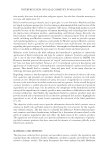
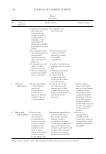
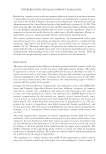
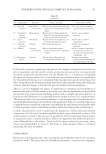
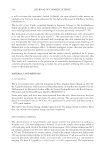
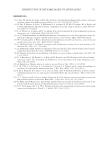
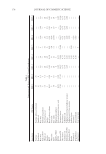
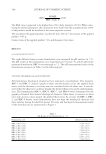
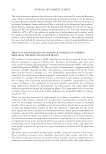
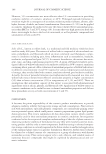
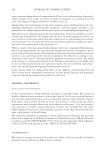
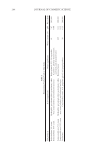
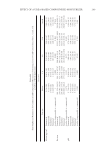
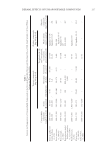
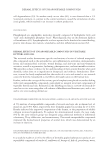
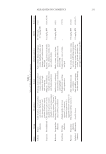
JOURNAL OF COSMETIC SCIENCE 150 Table IV Syubhah-Critical Ingredients in Halal Cosmetic (Adapted from Refs. 18, 29, and 30) No Ingredients Function Source of origin Safety aspect (CIR) 1 Allantoin Active, moisturisers Might be derived from unspecifi ed animals’ urine. Uric acid from cows or most mammals. Halal if it is from plants (especially comfrey). Safe for use as a cosmetic ingredient. 2 Collagen Active, moisturisers A protein found in cartilage and other connective tissues or fi brous protein. May be porcine-derived or human-derived collagen. Halal if it is marine-derived collagen. Safe as a cosmetic ingredient. 3 Keratin Active, moisturisers A protein derived from hair, wool, horn, nails, or other similar tissues in animals. Allowed to use under EU regulation, except for hydrolysed hair keratin due to the human’s origin. 4 Urea Active, moisturizers Might be derived from unspecifi ed animals. Excreted from urine and other bodily fl uids. Safe to be used in cosmetics and personal care products. 5 Vitamin E/ Tocopheryl acetate Active, moisturizers Might be produced from non-halal processes (e.g., the use of lipase or unspecifi ed origin of precursor materials). Safe to be used in cosmetics and personal care products. 6 Hyaluronic acid Active, moisturizers Might be derived from unspecifi ed animal tissues. Safe to be used as cosmetic ingredients. 7 Azelaic acid Active, moisturizers Might be derived from oleic acid of unspecifi ed animal origin. Haram if it is contaminated with Malassezia furfur. Determined safe for use in cosmetics and subjected to concentration or limitations. Distinction between safe concentration in leave-on and rinse-off. 8 Lanolin/ lanolin alcohol Emulsifi ers, moisturizers, thickeners A refi ned derivative of the fat-like sebaceous secretion of sheep. May be derived from non-halal slaughtered animals. Halal if it is obtained from living animals. Safe for use in cosmetics and personal care products. 9 Gelatin Thickeners Might be porcine-derived gelatine. Halal if it is derived from fi sh. Allowed to be used in any way under the rules governing the cosmetic products in the EU, except for monoalkanolamine and water-soluble zinc salt. 10 Palmitic acid Thickeners, moisturizers, emulsifi ers May be derived from unspecifi ed animal. Halal if it is plant- derived. Safe for use in cosmetic products. 11 Xanthum gum Thickeners Haram if contaminated with fermenting bacterium. Halal if uncontaminated and obtained from natural aerobic fermentation. Safe to be used in cosmetics and personal care products. 12 Stearic acid/ stearyl alcohol Emulsifi ers, moisturizers May be porcine-derived. Halal if it is plant-derived. Safe for use in cosmetic products. 13 Oleic acid Emulsifi ers, moisturizers May be porcine-derived. Safe to be used as a cosmetic ingredient under the present conditions of concentration and use.

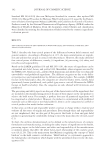
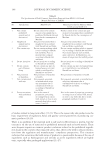
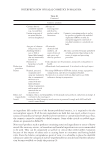
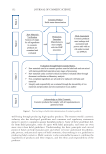
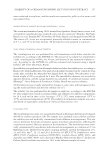
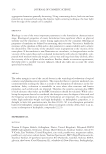
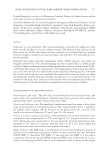
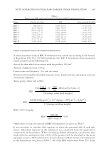
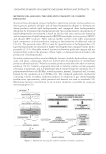
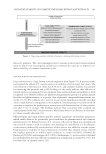
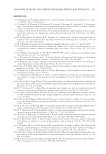
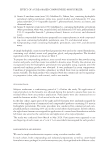
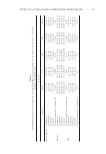
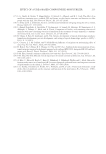
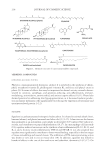
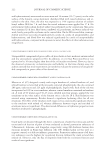
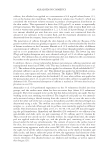
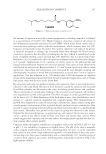
INTERPRETATION OF HALAL COSMETICS IN MALAYSIA 151 No Ingredients Function Source of origin Safety aspect (CIR) 14 Glyceryl stearate Emulsifi ers, moisturizers May be derived from glycerine and stearic acid of unspecifi ed animal origin. Safe to be used in cosmetics and personal care products. 15 Vitamin A/ Retinyl palmitate Moisturizers May be derived from animal fats. Halal if it is from fi sh liver oil and plants (contain beta-carotene). Safe for use in cosmetic products. 16 Cetyl alcohol Thickeners May be derived from palmitic acid of unspecifi ed animal origin, Safe for use as cosmetic ingredients. 17 Glycerin/ glycerol Solvents May be porcine-derived. Safe for use in cosmetic products. 18 Ethanol Solvents, preservatives May be from plant natural aerobic fermentation or synthetic ethanol. Safe as a cosmetic ingredient in the present practices of use and concentration that is generally 1%. 19 Propylene glycol Solvents May be derived from glycerol of unspecifi ed animal origin. Safe for use in cosmetic products when formulated to be nonirritating to the skin. Table IV Continued In the halal certifi cation application and process, the complete documentation on the ori- gin of ingredients and the overall cosmetic production process are the vital aspects that should be complied by manufacturers (16,19). Besides that, it is important to highlight the aspect of cosmetic safety to be in line with the raw materials or sources of ingredients. For the global well-being, it is recommended that manufacturers ponder on the long-term effect of ingredients by studying the halal guidelines before manufacturing and selling the cosmetic products. Figure 1 describes the process of halal status determination. There is a need to highlight the impact of ingredients to consumers and environment to maintain the quality of halal cosmetics. In certain cases, the safe ingredients may not be halal because they may originate from prohibited animals such as collagen, glycerine, allantoin, or hyaluronan (29). However, if it is originated from the synthetic process, it is considered halal. This issue can lead to the next question whether it is safe for consumption besides determin- ing the health risk for long-term and short-term application. Ethics is considered important to manufacturers to ensure the compliance and maintain the halal integrity and quality. Eth- ics help to produce tayyib or wholesome products rather than relying only on halal aspect. In short, manufacturers need to understand the parameters of halal and haram and the components of halal–tayyib in producing halal product, particularly halal cosmetics. The understanding can help in the selection of ingredients and the halal status determination of ingredients used in cosmetic products. Halal is an ingredient that fulfi lls the specifi ca- tions of Shariah law or the subject. Tayyib is all the aspects related to processing, safety, ethics, and responsibility or a process that leads to clean and pure items as a result of generating the sense of comfort. CONCLUSION Halal is not a privileged product that is produced only for Muslims but for all consumers around the world. The main objective of halal specifi cations is to protect the consumers’
Purchased for the exclusive use of nofirst nolast (unknown)
From: SCC Media Library & Resource Center (library.scconline.org)