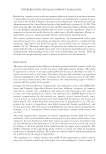
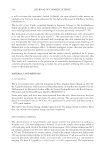
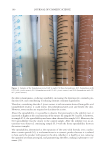
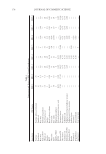
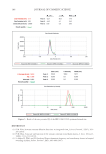
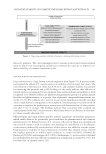
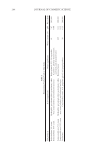
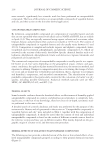
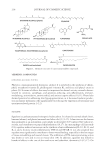
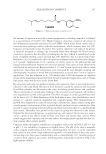
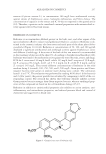
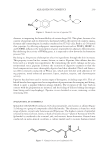
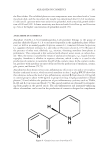
JOURNAL OF COSMETIC SCIENCE 218 TER PENIC COMPOUNDS DIT ERPENE ALCOHOLS: PHYTOL Phy tol is a monounsaturated diterpenic alcohol. It is involved in the synthesis of chloro- phyll, tocopherol (vitamin E), phylloquinol (vitamin K), and fatty acid phytyl esters in plants (9). In terms of effects that may be important for dermal activity, research demon- strated its cytotoxic, autophagy- and apoptosis-inducing, anti-infl ammatory, immune- modulating, antioxidative, antimicrobial, and antinociceptive effects (10,11). Phytol also showed potential in addressing skin hyperpigmentation, as it decreased melanin produc- tion in murine melanoma cells signifi cantly by reducing the expression of tyrosinase and tyrosinase-related protein 1 (12). SQU ALENE Squ alene is a polyunsaturated triterpenic hydrocarbon. It is found in animals (shark liver), humans (sebum), and plants (amaranth and olive oils) (3,13–15). It functions on the human skin primarily as an antioxidant, particularly in ultraviolet (UV)-induced free radical re- actions, and contributes to proper skin hydration (16,17). In a macrophage cell line study (18), squalene induced an increase in the synthesis of anti-infl ammatory IL-10, IL-13, and IL-4, and a decrease in pro-infl ammatory TNF-α and NF-κB. It was also assumed that squalene may signifi cantly contribute to faster wound healing, especially in the last stages of tissue remodelling and wound closure. The inhibition of TPA tumor-promoting action was shown in vitro and in vivo on mouse skin (19). In addition, squalene was linked to benefi cial effects in the care of skin with acne and seborrheic dermatitis (14,15,17). On Figure 1. Chemical structures of typical unsaponifi a ble compounds.

DERMAL EFFECTS OF UNSAPONIFIABLE COMPOUNDS 219 37 females, the daily ingestion of 13.5 or 27 g of squalene resulted in signifi cantly de- creased facial wrinkles, but was associated with a high incidence of transient loose stool (20). TRITE RPENE ALCOHOLS Trite rpene alcohols are compounds with a general structure of six isoprene units. They exhibit several biological properties, which may be important in terms of their dermal activity: anti-infl ammatory, antitumor, chemopreventive, and antimycobacterial activi- ties (21–24). PHYTO STEROLS Phyto sterols are sterol compounds chemically similar to cholesterol, which plays a crucial role in ensuring the structural integrity of the skin’s stratum corneum (25). About 98% of all phytosterols in plants are represented by β-sitosterol, campesterol, and stigmasterol (26). β-sitosterol has been reported to possess angiogenic activity, which promoted fi bro- blast multiplication and consequently the wound healing activity (27). β-Sitosterol was also found to increase the effect of vitamin D on the immune function of macrophages (28). In general, in vitro studies showed the antioxidative, anti-infl ammatory, and antitu- mor properties of phytosterols (26,29). In a study using skin equivalents and cDNA mi- croarrays, apple seed phytosterols were shown to signifi cantly affect the regulation of genes associated with keratinocyte proliferation and differentiation, stimulate the synthe- sis of hyaluronic acid, and increase epidermal thickness (30). In addition, phytosterols were proposed for use in hair care because of their hair softening and hair conditioning properties (31). TETRATER PENOIDS: CAROTENOIDS Caroteno ids are plant pigments of the tetraterpene family, and are responsible for the yel- low, orange, or red color of plant tissues such as fl owers and fruits. Carotenoids are classi- fi ed based on their functional groups as xanthophylls, carotenes, and lycopene (32,33). Other compounds such as apocarotenoids are also derived from carotenoids by oxidative cleavage (34). Benefi cial biological effects of carotenoids mainly derive from their anti- oxidative properties, and encompass direct antioxidative effects, and photoprotective, anti-infl ammatory, antitumor, and immunostimulative effects (32,35,36). TOCOPHER OLS AND TOCOTRIENOLS (VITAMIN E) Vitamin E is a common term for the so-called tocochromanols, which are divided into tocopherols and tocotrienols, each having four forms, that is, alpha, beta, gamma, and delta (33). Vitamin E is a crucial antioxidant in the cell membranes of plants and animals, including the human skin, and in human sebum, with the most biologically active form being α-tocopherol (38). Evidence of its benefi cial dermal use due to photoprotective
Purchased for the exclusive use of nofirst nolast (unknown)
From: SCC Media Library & Resource Center (library.scconline.org)