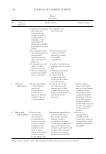
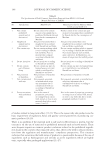
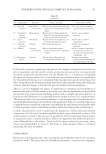
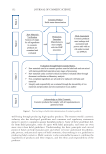
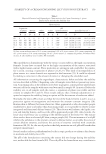
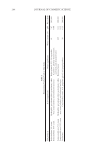
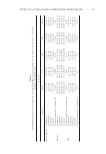
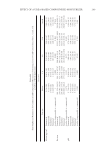
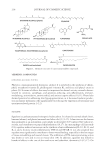
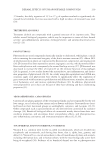
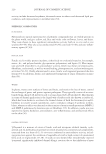
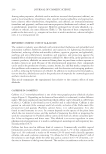
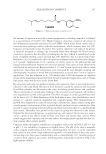
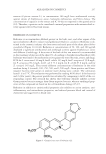
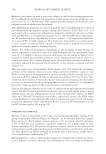
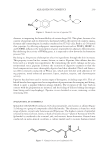
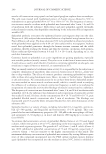
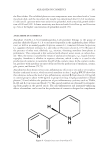
JOURNAL OF COSMETIC SCIENCE 230 Amon g other properties, alkaloids used in medicine increase blood pressure (caffeine), are used as local anesthetics (morphine), relax smooth muscles (ephedrine and papaverine), have a diuretic effect (theobromine, theophylline, and caffeine), are immunostimulatory (anatabine and piperine), and have anticancer properties (berberine and codeine), as well as antirheumatic properties (capsaicin). However, prolonged use of some alkaloids, e.g., caffeine or codeine, can cause addiction (Table 1). The function of these compounds de- pends on the dose used, e.g., atropine in low doses is used in medicines, whereas in higher ones, it is a strong poison (4). REPO RTED COSMETIC USES OF ALKALOIDS The cosmetics industry uses alkaloids with antimicrobial (berberine and spilanthol) and antioxidant (caffeine, berberine, spilanthol, and capsaicin), for lightening discoloration (berberine), reducing cellulite and wrinkles (caffeine, capsaicin, piperine, and spilanthol), soothing and anti-infl ammatory (anatabine and piperine), and protecting against the harmful effects of ultraviolet ray properties (caffeine) (4). Most often, in the production of cosmetic products, alkaloids are extracted from plants in pure form or their aqueous or alcoholic extracts are used. Because of the aforementioned properties, these compounds can be used in the production of tonics, creams, lotions, face and hair masks, compresses for skin problems with numerous infl ammations, and discoloration and antiaging products, as well as reducing the formation of cellu lite. In addition to traditional external applica- tion on the skin, alkaloids are used in the production of ampoules for cosmetologists and aesthetic medicine doctors. This article summarizes the experimental data relative to the cosmetic effects of some alkaloids. CAFF EINE IN COSMETICS Caff eine (1,3,7-trimethylxanthine) is one of the most popular purine alkaloids of plant origin (Figure 1). Depending on the botanical from which it is obtained, it takes different names. The most popular raw material from which caffeine can be obtained is coffee beans (Coffea L.). Caffeine is also found in tea (Camellia) and is called thein e. Caffeine is also present in cola nuts (Cola acuminate and Cola nitida), in leaves of the Yerba mate (Ilex paraguariensis) and guarana (Paullinia cupana) hence, it is called guara nine. It is also found in small amounts in cocoa. Its content depends on the species of the plant from which the raw material comes, and the method of preparing the drink or preparing the seeds for consumption (5). Purifi ed caffeine comes in the form of a white crystalline pow- der. It has no fragrance and bitter taste. This alkaloid is an active ingredient in some pharmaceutical preparations it is used in cardiological, neurological, and respiratory me- dicinal products (6,7). Caff eine has been used in different kind of cosmetics. Commercially available topical formulations and anti-cellulite cosmetics normally contain 3–7% of this compound (8). Lupi et al. (9) conducted a study on 99 women (20–39 years) with clinically apparent cellulite, who used a solution containing 7% caffeine for 30 d. Women applied 15 mL of the solution to one thigh, while the other was used as control. In 67.7% of women, a re- duction in diameter of the hip was observed. The median circumference reduction in the

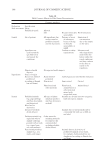
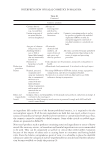
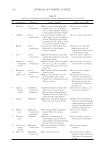
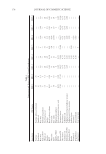
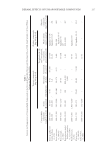
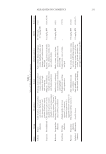
Table 1 Selected Alkaloids Used in Cosmetics Name Group Occurrence Action Used in cosmetics LD50 References Caffeine Purine alkaloids Caffe ( L.tea ( ), cola ( ), Yerba mate ( paraguariensis ), and guarane ( cupan) Firming, elasticity blood vessels, antioxidant, stimulate hair high, and antiaging Anti-cellulite balms, antiaging creams, highlight creams, and shampoo and conditioners on hair high 80–100 mg/L, 367 mg/kg BW (7,21) Capsaicin Protoalkaloids Chili peppers ( chili ), jalapeño ( annuum ‘ ñ’), and cayenne pepper ( annuum “Cayenne”) Analgesic, antioxidant, weight loss, antibacterial, and thermoregulatory Lipsticks, lip glosses, hair masks, wipes, shampoos, creams, and anti-cellulite balms 512 mg/kg BW (4,30,36,78) Berberine Isoquinoline alkaloids Barberry ( vulgarisand ) abuta ( grandifolia) Antibacterial, antifungal, antimicrobial, antioxidant, and highlight Masks, creams, tonics, balms, and natural sun fi lter factors UVA i UVB 329 mg/kg BW (4,53) Anatabine Pyridine alkaloids Annual paprika ( annuum L.tomatoes ), ( lycopersicum L. eggplant ( melongena L. Infl ammatory, soothing, and regenerative Creams, pastes, tonics, balms, and gels – (75,76) Piperine Piperidine alkaloids Black pepper ( nigrum L. Anti-infl ammatory and anti-cellulite Face creams, lotions, tonics, soaps, and anti–nail biting preparations 330 mg/kg BW (61,62) Spilanhtol (afi nine) Alkiloamids Acmella oleracea Anti-wrinkles, antiaging, antibacterial, and fi rming Antiaging creams, anti-cellulite creams, gels and emulsion care, and aqua extract for cleaning skin 113 mg/kg BW (63,65,67) ALKALOIDS IN COSMETICS 231
Purchased for the exclusive use of nofirst nolast (unknown)
From: SCC Media Library & Resource Center (library.scconline.org)