132 JOURNAL OF THE SOCIETY OF COSMETIC CHEMISTS VI. Acute oral toxicity of topical preparations A. Preferably in two species of animals (one, a nonrodent) B. Toxicity information, in case of accidental swallowing Important as it is to obtain pharmacological and toxicological data on individual components of a cosmetic formulation, such data may be in- sufficient if the resu'lting biological reactions elicited by a formulation represent more than a simple addition of effects of the component parts. In other words, data on the final formulation are necessary to demonstrate whether synergistic effects are produced by compounding. Tests khould be conducted on the same type of tissue as will apply in normal use. Results obtained in tests on one type of mucous membrane may not necessarily be valid to demonstrate safety for use on another type of mucosa where secretions, pH conditions and absorbing capabilities may differ significantly. To a limited extent this is also true of various skin areas of the body where pH, thickness and physiological condition of the epidermis may vary. SUMMARY Thorough animal experimentation as outlined above for cosmetics should yield data on the pharmacology, biochemistry and pathology to enable a calculation of safety in use. Animal data are obtained on a relatively uniform and standardized experimental subject that is, selected on the basis of maximum homogeneity as to age, health, diet and environment. Results obtained on highly uniform subjects do reflect more accurately the effects of treatment. Such uniformity of results would be difficult to obtain for man, who, as stated above, is probably the most heterogeneous species of the animal kingdom. It would be difficult to define so-called normal man since diet, age, state of stress (health) and environment are some of the variables which may affect his response, but it is this heterogeneity of man which makes certain clinical investigations desirable and essential. How- ever, clinical investigations should not be attempted before the phar- macologist, the biochemist and the pathologist have, through their animal studies, arrived at a probable level of tolerance for man. The question of ultimate safety for use in cosmetics is of vital importance and concern to the user who must be protected from harm it also concerns the govern- mental regulatory agency which has been delegated the responsibility in these matters by Congress and finally, it concerns equally and vitally the cosmetic manufacturer if he wishes to continue and prosper in his business. REFERENCES (1) Rothrnan, S., y. Lab. C/in. Med., 28, 1305 (1943). (2) Calvery, H. O., Draize, J. H., and Laug, E. P., Physiol. Rev., 26, 495 (1946).

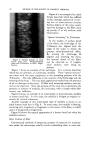
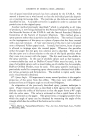
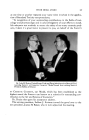
CHICAGO CHAPTER NEWS 133 (3) Valette, G., Acta Pharmacol., 1, 127 (1949). (4) Rothman, S., "Physiology and Biochemistry of Skin," Chicago, University of Chicago Press (1954). (5) Gemmell, D. H. O., and Morrison, J. C., •7- Pharm. andPharmacol., 9, 641 (1957). (6) Laug, E. P., and Draize, J. H., •7. Pharmacol. Expt. Therap., 76, 179 (1942). (7) Lehman, A. J., Food, Drug, Cosmetic Law •7-, 10, 679 (1955). Officers for 1958, Chicago Chapter (left to right): Donald Laiderman, The Toni Co., Treas- urer Seymour Kornblau, Lady Esther Cosmetics, Chairman S. J. Strianse, 1957 National Socx•r¾ President Lois Dow, Lady Esther Cosmetics, Secretary Gustav Carsch, 1957 Chapter Chairman. Note: Peter Parker, Kolar Laboratories, Inc., Chairman-Elect, not present. CHICAGO CHAPTER NEWS Ax xI•V. February meeting Dr. Albert H. Holland, Jr., Medical Director of the Food and Drug Administration gave an address on "Cos- metology, Cosmetics and Common Sense." This outlined and explained the policy of the Food and Drug Administration in determining whether a product is a drug or a cosmetic and emphasized the importance of con- tinuing basic research into the physiology and metabolism of the skin. Dr. Holland is a graduate of Valley Forge Military Academy, the Brothers College of Madison, N.J., and the New York University College of Medicine. He has served as Medical Liaison Officer at the Man- hattan Engineering District Project at Oak Ridge, Tenn. as Medical Adviser to the Project and as Director of the Office of Research and Medicine. From Oak Ridge, Dr. Holland came to Chicago as Medical Director of Armour Laboratories and from there to his present post in which he has served since March, 1954.
Purchased for the exclusive use of nofirst nolast (unknown)
From: SCC Media Library & Resource Center (library.scconline.org)