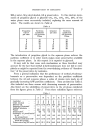
JOURNAL OF THE SOCIETY OF COSMETIC CHEMISTS Finylidene chloride co-poly•ner. The best known form of this material is manufactured under the name of Saran. The material is heat-sealable, the moisture absorption is negligible and the film is brilliantly clear and sparkling. It is an excellent gas barrier, and is also resistant to oils and greases. Alcohols and hydrocarbons generally do not affect the film and it is resistant to most solvents and alkalies, excepting ammonium hydroxide. We are not aware of any use of unsupported film in the cosmetic field, but the use of this material as a lining for polythene bottles is under develop- ment, and paper coated with the co-polymer is widely available. Regen- erated cellulose coated with the polymer is also available, e.g. MXXT Cellulose, and this material, laminated to Polythene and Pliofilm, is being used successfully for some packaging applications, for example the packaging of ground coffee. Polystyrene. The two most widely used forms of this material in the packaging field are the clear transparent general purpose polymer and the toughened high impact form, usually pigmented. This latter type usually contains up to 5 per cent synthetic rubber. Clear transparent films can be produced, but these have the disadvantage of being brittle. Probably the largest use of polystyrene in packaging is in the manufacture of tubes and cups. 1V)'lon. Nylon has a high melting point (between 190øC and 260øC depending on the particular grade) and high tensile strength but has a high water absorption rate. It has excellent resistance to a wide range of solvents and would make a useful all round packaging material. However, the price is at present high and due to the high softening point it is difficult to mould. Soluble nylon resins can be used for solution coating on to paper and can be made into films. These materials may be used singly or combined together in laminations and, when it is realized that from a certain company alone there are more than 40 different combinations to choose from if variations of polymer, paper and foil gauges and different laminating techniques are considered, the problem of deciding on the suitability for any given use takes on con- siderable magnitude. Common materials at present in general use include: Polyethylene (low, medium an d high density) Pliofilm Cellulose/Polythene MXXT/Polythene MXXT x Pliofilm Foil/H.S.C. Paper/H.S.C. Foil x Paper/H.S.C. Paper x Foil/H.S.C. Acetate x Foil/H.S.C. Foil x Pliofilm Acetate x Foil x Pliofilm

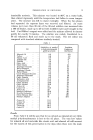
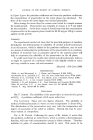
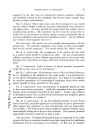
LABORATORY EVALUATION OF NEW PACKAGING MATERIALS 37 Paper/Polythene Paper x Pliofilm Paper/Vinylidene Chloride co-polymer Polystyrene Nylon x -- adhesive lamination. / -- coated lamination. H.S.C. -- Heat Seal Resin Coating. Further laminations will be added to the list to meet new requirements and manufacturing techniques. Foil x Paper x Foil/H.S.C. Paper x Foil/Polythene Paper x Foil x Pliofilm Foil x Paper x Pliofilm TYPICAL PROPERTIES It is essential when dealing with a packaging material to know its characteristics with respect to water vapour permeability and gas per- meability. One would not consider using plain cellulose film for the packaging of a moisture sensitive product because of its high permeability rate to water vapour. Similarly, for a product which is susceptible to oxidation, one would not use a low density polythene package. A con- siderable amount of unnecessary testing can be avoided if one knows the properties of these films and correlates them with the known properties o[ the proposed contents. Tables I and 2 give typical physical properties of a number of transparent materials, obtained in the laboratory and from the literature. Table 1 Water Vapour Perrneabilities at 77øF/75% (B.S. Method using calcium chloride) R.Ho Polythene Low density 150 gauge High density Polypropylene 100 gauge Pliofilm N2. 140 gauge Cellulose film 300 PT 300 MSAT Cellulose/Polythene 200 gauge Cellulose Polythene 300 gauge Paper/30 gm. Vinylidene chloride co-polymer Acetate x Pliofilm MXXT x Pliofilm 3.0 g/sq. metre/24 h 1.2 1.2 2.6 900 4-4 2.8 1.2 0.5 2.1 0.7
Purchased for the exclusive use of nofirst nolast (unknown)
From: SCC Media Library & Resource Center (library.scconline.org)