J. Soc. Cosmetic Chemists 15 3-32 (1964) ¸ 1964 Society of Cosmetic Chemists of Great Britain SKIN REACTIONS TO COSMETIC PREPARATIONS P. D.C. KINMONT, M.D., M.R.C.P.* Presented at the Symposium on "Toxicology of Cosmetic Materials", organised by the Society at Leamington, Warwicks., on 20th November 1963. Cosme[ic tlerma[i[is is uncommon. Permanen[ wave solu[ions, hair dyes, nail varnish, lil•s[ick and tleotloran[s are [he mos[ consl•icuous oftendem. The likely cosme[ic irri[an[s and sensi[izers are emulsions, dyes, l•erfumes aml l•reserva[ives, and [he l•a[[erns o[ the skin teac[ions are discussed wi[h the l•roblems o[ cross sensi[iza[ion and [he in[e•re[a[ion o[ l•a[ch [es[s. The causalion o[ tlerma[i[is, ligh[ sensi[iviBr, l•igmen[a[ion, hair damage and nail tle[ormi[y is tlescribetl with the charac[eris[ics o[ [he more common cosme[ic tlerma[oses. Most dermatologists in the United Kingdom would regard cosmetics as a relatively harmless indulgence, carrying a low hazard of provoking skin reactions. Indeed since the use of cosmetic preparations at all ages and by both sexes is universal, if soaps, toothpastes, woad and similar paints are so regarded, the incidence of skin irritation from this cause is remarkably lOW. The range and variety of toilet and cosmetic preparations is increasing constantly. It is tempting to think of cosmetics in terms of the female, the average girl or woman must use many such every day yet even the mere male finds himself under pressure to purchase a wide variety of toilet preparations for skin, hair and for the ritual of shaving. In the future, no doubt he will find himself using more articles of ever widening variety. The estimated usage of cosmetics in the world is said to exceed f750,000,000 per annum. The incidence of cosmetic dermatitis has been assessed by a number of investigators and found to be fairly constant in total but the main offending substances vary considerably in different countries. In Prague, Voidanova (1) found a positive reaction to cosmetics in 3.8% of 1,000 cases of contact dermatitis. In the U.S.A., Rostenberg and Sulz- berger (2) gave 3.8% as the incidence in a population in which at least 10% are liable to chemical allergy in some form. Hjorth (3) gave a 2% incidence * Consultant Dermatologist--Derbyshire Royal Infirmary.

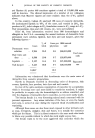
4 JOURNAL OF THE SOCIETY OF COSMETIC CHEMISTS yet Masters (4) quotes 448 reactions against a total of 113,601,538 units sold in America. The clinical impression of a number of my colleagues indicates that Masters' figures are more realistic than the 2-4% quoted above. In this country, Cainan (5) analysed 158 cases of cosmetic dermatitis. He incriminated lipstick in 45% of the cases, nail varnish in 20%, face powders in 9ø/0, toilet cologne in 9%, foundation cream in 5%, rouge in 1.5%. Hair preparations, dyes and cold creams, etc., were not included. Reiss (6), from information received from 956 dermatologists and allergists in the U.S.A. concerning the annual incidence of dermatitis from permanent wave solution, lipstick, hair dyes and nail lacquer, gives the following figures:-- Cases % of Cases per 1956 annual total physician sale Permanent wave solution .. 3,764 25.2 3.9 $86,510,000 Used once Hair tints and only dyes .... 3,599 23.8 3.7 $20,670,000 Lipstick .... 2,137 14.4 2.2 $71,330,000 Repeated Nail lacquer .. 5,447 36.6 5.7 $26,170,000 use 14,947 15.5 Information was volunteered that deordorants were the main cause of dermatitis from cosmetic preparations. Hjorth in Denmark recorded in descending order of frequency, skin creams, lipsticks, face powders, hair dyes and nail varnish. In view of the quite enormous consumption of cosmetics by a population which is becoming more and more liable to sensitivity reactions, it might be profitable to enquire why the dermatologist is so seldom consulted, and why the diagnosis of dermatitis due to cosmetics, is even more rarely made. The human female is a very discerning animal much concerned with its personal appearance. Any minor irritation of the face, or even the hands and scalp, is noticed at once during the repeated ritual of purification and repainting. Although these areas are also those most exposed to other irritants such as soap, detergents, sunlight, dust and fumes, it is usually the cosmetics which get the blame. This is in direct contrast to the mere male who tends to blame any possible irritant to which his work might expose him. The female tends to be the more aggrieved that cosmetics which she
Purchased for the exclusive use of nofirst nolast (unknown)
From: SCC Media Library & Resource Center (library.scconline.org)