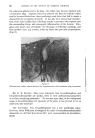
SKIN REACTIONS TO COSMETIC PREPARATIONS 13 (3) Synthetic coal tar dyes: Azo dyes used for rouges, lipsticks, powders, nail varrdsh are sensitizers, and cross sensitize with the "para" group. Xanthenes (eosin and the halogenated eosin fluoresceia compounds used in indelible lipstick and basic thadamine B for lipstick) are contact and photosensitizers. The anthraquin- ones, e.g. pphenylenediamine sensitize and cross sensitize. Lipstick dermatitis A good example of a simple contact dermatitis. Baer (14) incriminated methylheptine carbonate, a synthetic ingredient of rose perfume. The dyes tolusafranin and eosin were later also found to be sensitizers. Indelible dyes, e.g. tetrabromofluorescein were responsible for most of the cases, though impurities and even the metal containers of the lipstick were found to be the cause in some cases. Peck (15) reported light sensitivity due to the tetrachlorofluorescein and other cases followed. Cainan and Sarkany (16) reported 110 instances of lipstick cheilitis with positive patch tests. They consider that tetrabromofluorescein was the only important cause, and that in this country exposure to light played little if any part. No negative patch tests was rendered positive by sub- sequent exposure to U.V.R. Positive patch tests often appeared as late as 72-96 hours after application, 50% eosin was used as they found many negative results with a 5% solution. Sarkany (17) recorded three cases of cheilitis due to carmine. Other dyes used include rhodamine, geranium red, ponceaux fuchsia and small amounts of azo dyes. Some patients complain of a physical intolerance to a lipstick which makes their lips sore, dry and cracked. On the other hand, lipstick prevents chapping in cold, dry weather by preventing water loss. Climbers some- times use a colourless lipstick incorporating a sun screening agent to prevent chapping and sunburn at high altitudes. Long continued sunshine may produce precancerous keratoses and atrophy of the epithelium of the lips. Most patients complain of swelling, scaling and cracking of the lips, a few of blistering and weeping. The signs are usually confined to the vermilion border avoiding the comers, so often affected by oral irritants (dentures, toothpastes, mouth-washes, etc.). The lipstick may stray to the surround- ing skin by smudging and even to the cheeks, possibly being used as a rouge, and to the eyelids by contamination. A more unusual localization was recorded on a man's gums, the causal agent being his wife's lipstick. The lips dear promptly when the lipstick is discarded. Most patients can use a so-called "non-allergeaic" unperfumed lipstick with a carmine dye instead of eosin, without further trouble.

14 JOURNAL OF THE SOCIETY OF COSMETIC CHEMISTS Rouge This also produces localized irritation at the site of application--the cheeks. There is a characteristic burning papular erythema which clears when the causal agent is removed. As in lipstick, the eosin dyes are commonly at fault but occasionally azo dyes, carmine or pigment colour lakes are incriminated. The base preservative, a perfume, may also cause trouble. Nail varnish This product presents a more complicated picture, for the nails and nail folds themselves are not involved but the eyelids, the circumoral area, the chin, neck, cheeks and the inner thighs and upper chest, are all sensitive areas in frequent contact with the lacquered nails during sleep or as a habitual movement. Sometimes nail varnish dermatitis is seen in unusual sites, e.g. sore finger ends, on the tongue from nail bit/rig, pruritus ani, and on the legs, if the nail varnish is being used to "stop" stocking ladders. There is usually an ill defined scaling erythema, occasionally it may be more acute and weeping, or thickened and scaling in the chronic stages. All sorts of constitutional dermatoses or dermatitis from other cases can give a similar appearance. The patch test is diagnostic. Nail varnish usually contains nitrocellu!ose lacquer, organic solvents, e.g. denatured ethyl alcohol, toluene, acetone, amyl, butyl and ethyl acetates. Resins and gums for adhesion, plasticizers, such as dibutyl, diethyl or dioctyl phthalates or stearates, with perfumes and dyes. Undercoats to prevent chipping of the lacquer, contain resins such as methylmethacrylate, phenol, sulphonamide, formaldehyde and alkyl resins or synthetic rubbers. With so many potential sensitizers it is surprising that nail preparations do not produce more reactions. Contact dermatitis from face creams and face powders The dermatitis covers the face in a mask-like manner, avoiding the eyelids and lips.' The eruption with face powder is mild, with reddening and swelling, a few papules and some scaling. That due to cream is often much more acute, its outlines being traced by the patient's fingers, from dabs placed on forehead, cheeks and chin. There is often reddening, swelling and vesiculation (18). Patch tests are necessary to establish the diagnosis, and numerous in- gredients may be responsible for the dermatitis. Orris root was once a common irritant, but it is no longer used in face powders, which are now mostly compounded of inert powders such as talc (magnesium silicate), calcium and magnesium carbonates for absorption,
Purchased for the exclusive use of nofirst nolast (unknown)
From: SCC Media Library & Resource Center (library.scconline.org)