SKIN REACTIONS TO COSMETIC PREPARATIONS 15 magnesium stearate for its adherent properties and starch, zinc oxide, calcium silicate and titanium dioxide for drying and covering. Non irritant inorganic salts or organic lakes are used for colouring, sometimes eosin or azo dyes are included, both potential irritants. Perfumes may also cause trouble. Face creams are essentially emulsions of oil and water with an emulsifying agent, triethamolamine or soap plus added spermaceti in cetyl or propylene alcohol for stability. Also moisturizers, e.g. glycerine or propylene g]ycols with an inert powder, e.g. titanium dioxide, perfume, and preservatives. Foundation creams are more oily (lanolin and mineral oil) and contain more moisturizer, emulsifying agents and colourants. All-purpose creams contain lanolin, cholesterol and its esters, mineral offs, vegetable offs, spermaceti and waxes. Perfumes in face creams may cause contact dermatitis or pigmentation. Face and mud packs are based on inert powders, titanium and bentonite glycols and sulphonated castor oil, water and colouring, perfume and pre- servatives. Some contain rubefacients which may irritate sensitive skins. Liquid masks contain substances forming water-glycerol-col]oid-films, e.g. polyvinyl alcohol, gelatin, gums and casein. The packs are applied hot and there is a small risk of irritation or sensitization from the constituents, mostly the preservatives and perfumes. It is usually not difficult to find a suitable preparation for any patient who reacts to a particular sort of face cream, if the offending constituent has been determined by patch testing. Eye shadow and mascara Pigmentation of the lids, folliculitis of the eyelashes, or blepharitis may follow the use of eye make-up. The base contains ingredients such as petrolatum, lanolin, waxes, moisturizers with mucilaginous viscous thickeners, perfumes and preserva- tives. The colouring agents include inorganic pigments, carbon black, ultramarine blue, chrome green, iron oxide--brown and yellow, carmine, and aluminium lake of cochineal. Gold leaf and bronze or aluminium powders are used for "evening" shadow. A rubber anti-oxidant dermatitis of the eyelids has been seen with eye lash curiers. The rubber filler, forming the jaw of the instrument, comes in contact with the eyelid. This produces mild linear erythema and swelling of the lid, with a band of normal skin at the lid margin. The sharp upward curvature of the upper lid lashes indicate the diagnosis. CONTACT •)ERMATITIS FROM SCALP PREPARATIONS The scalp is relatively resistant to irritants, and dermatitis is usually first seen on the forehead, the eyelids, cheeks and retroauricular folds.

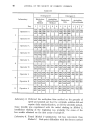
16 JOURNAL OF THE SOCIETY OF COSMETIC CHEMISTS Hair dyes Vegetables dyes Henna, chamomile and compound rinses with copper and pyrogal!ol. Metallic dyes Salts of lead, bismuth, copper, iron and antimony. Saver and cobalt. Irgalian dyes (chromium, cobalt and nickel active complexes). Synthetic oxidation dyes of the para group. pPhenylene diamine, ptoluene diamine, and pyrogallol. The dye has to be fixed to the hair by chemical combination with the carboxyl or hydroxyl radicals of the keratin protein chain, and this is achieved by oxidation. Metallic dyes are deposited in the fibre. The dye preparation includes modifiers to stabilize the colour shades such as diamino-ardsole su!phate, hydroquinone, catecho!, resorcin and pyrogal!ol. Alkali usually up to 6%, in the form of ammonia, with soaps and wetting agents, e.g. alkyl aryl sulphonates to aid penetration. The developer is usually supplied separately, and consists of 20 vol hydrogen peroxide or urea peroxide. Vegetable rinses and dyes, and metaltic dyes are safe but synthetic henna dyes may produce contact dermatitis and compound rinses may be irritants. The "para" dyes, e.g. pphenylene diamine are the commonest cause of trouble. Manufacturers usually advise both a patch test before the dye is applied, and the exclusion of any scalp with active skin trouble. From the legal point of view, a patch test before each application of the dye is very important, though sensitization from a patch test has been recorded. Owing to the increasing risk of cross sensitization with a wide range of chemicals of quinone structure, the incidence of reactions to the para dyes is probably rising. Ingram (19) found a 4% incidence in 1932 in normal individuals, Skog and Thyresson (20) 4'3% of 3,000 cases of contact eczema (formalin 12%). Skog (21) patch-tested 3,000 patients during 1948-51 with 2% pphenylene diamine and also with 4% formalin. A similar number were tested in 1958-61. Positive reactions with pphenylene diamine increased from 4.3% to 10.6%, whereas reactions to formalin fell from 12.3% to 6.9%. The dye may also be met in furs and fur collars. The sensitivity persists for an indefinite number of years. The agent is believed to be quirtone diamine formed by insufficient oxidation of the pphenylene diamine. Sensitivity may develop after dye applications for many years. Symptoms are noticed in a few hours, itching and burning around the scalp and eyelids with swelling and b!otchy erythema of the face and neck. The eyelids may close, and the lips become grossly swollen. The hands and upper chest are often affected less severely and there may be a general- ized dermatitis with nephritis producing albuminuria. Fatalities and
Purchased for the exclusive use of nofirst nolast (unknown)
From: SCC Media Library & Resource Center (library.scconline.org)