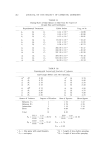
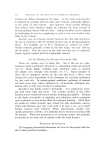
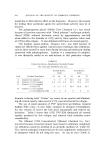
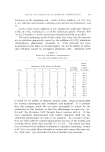
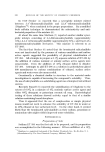
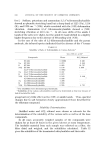
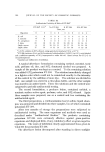
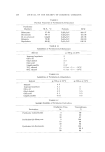
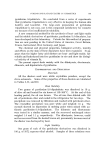
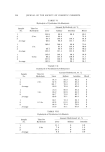
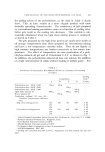
352 JOURNAL OF THE SOCIETY OF COSMETIC CHEMISTS TABLE V LDs0 of Pyridoxine-3,4-dipalmitate and Related Compounds (Mice) LDs0, g./kg. Compound Administration 24 Hr. 7 Days Pyridoxin e-3,4-dipahnitate Pyridoxine hydrochloride Oral 7.1 5.1 Subcutaneous 4.4 1.6 Oral 3.8 3.8 Subcutaneous 1.7 1.4 Palmitic acid Oral 5.0 4.2 Subcutaneous . . . 4.2 sealed into test tubes and placed into sunlight. The transmittance of the irradiated solutions was read at 435 mu with a spectrophotometer. The data shown in Table IV indicate that the esters are not severely discolored during long exposure to sunlight and are more stable than pyridoxine hydrochloride. Toxicity * Acute Toxicity The acute toxicity of pyridoxine-3,4-dipalmitate was studied in mice and is recorded as LD•0 in Table V. l?yridoxine hydrochloride and palmitic acid were also tested as control materials. The ester and palmitic acid were dissolved in ethanol and then mixed with propylene glycol. Pyridoxine hydrochloride was studied in an aqueous solution. The mixture and the solution of samples were administered orally and subcutaneously to mice. From the results shown in Table V, it can be concluded that pyr- idoxine-3,4-dipalmitate is less toxic than pyridoxine hydrochloride. Chronic Toxicity Six groups each of five male and five female rats weighing from 85 to 135 g. were used in this test and fed for six months as follows' Group A' Group B' Group C' Standard Diet Standard Diet + 40 mg./kg./day of pyridoxine-HC1 Standard Diet + ,50 mg./kg./day of palmitic acid * This work was conducted at the Osaka City Institute of Hygiene (6).

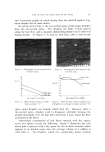
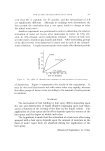
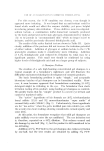
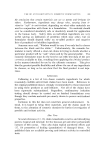
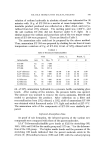
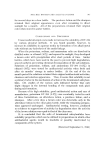
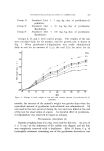
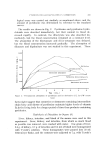
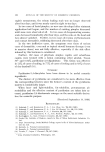
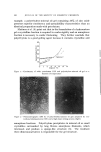
PYRIDOXINE-3,4-DIACYLATES IN COSMETICS 353 Group D: Standard Diet palmitate Group E: Standard Diet dipalmitate Group F: Standard Diet dipalmitate q- 7 mg./kg./day of pyridoxine-di- 70 mg./kg./day of pyridoxine- 700 mg./kg./day of pyridoxine- Groups A, B, and C were control groups. The weights of the rats were recorded daily for six months, and the growth rate is shown in Fig. 1. When pyridoxine-3,4-dipalmitate was orally administered daily to rats (in an amount of •000 the oral LD:•0 for mice) for six 340' Croup 4D 300, • • .•- ._ •..•" • 250- / •/' / -'-• ..... • •'• • 9-•./'" .• ..... • 200 • • •//'.• ..... • 20 • 60 80 100 120 l• 160 Figure 1.•Change in body weight of rats fed with various amount of pyridoxine-3,4-di- palmitate months, the increase of the animal's weight was greater than when the equivalent amount of pyridoxine hydrochloride was administered. All rats used in this test survived during the test and were killed at the end of the test for observation of organs. No harmful effect of pyridoxine- 3,4-dipalmitate was observed in organs at autopsy. Percutaneous Absorption (8) Rabbits weighing from 2 to 3 kg. were used for this test. An area of •5 X 15 cm. 2 on the abdomens of the rabbits was clipped, and the hair was completely removed with a depilatory. After 24 hours, 6 g. of hydrophilic ointment containing one of the pyridoxine derivatives was
Purchased for the exclusive use of nofirst nolast (unknown)
From: SCC Media Library & Resource Center (library.scconline.org)