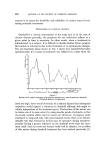
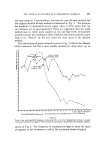
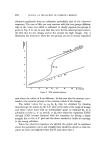
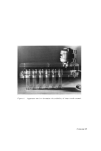
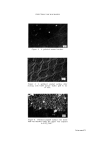
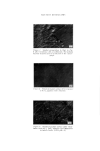
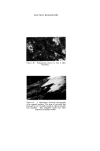
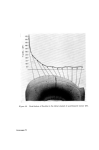
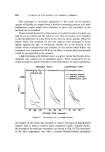
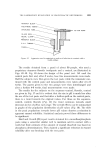
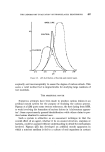
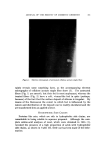
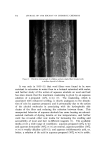
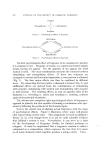
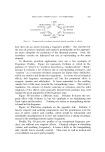
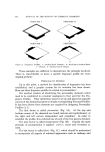
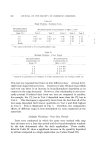
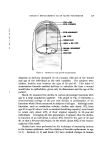
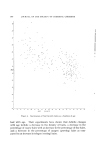
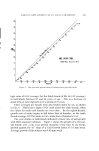
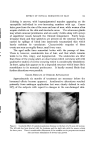
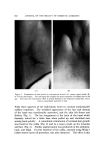
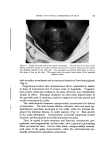
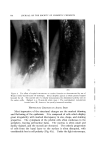
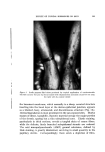
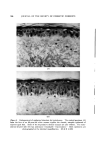
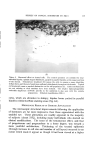
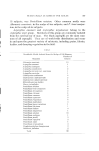
THE LABORATORY EVALUATION OF PROPHYLACTIC DENTIFRICES 479 on bulked enamel which suggested that the average fluoride content of enamel is low but more refined techniques used by Jenkins and Spiers (9), Brudevold e! al (10, 11), Spiers (12), Weatherell and Hargreaves (13, 14) and Miihlemann (15) have proved that fluoride acquired by enamel from natural sources is concentrated in the outer layers. The technique devised by Weatherell and Hargreaves is elegant and worthy of description. A tooth is covered with nail varnish except for the particular area on which fluoride is to be determined. This can conveniently take the form of a rectangular area on, say, the labial surface of an incisor. A small spot of nail lacquer is also placed within the test area. The area is then dipped in strong (6N) perchloric acid for a predeter- mined time (e.g. 5 sec), rinsed with a drop or two of water and dried. A second spot of nail varnish is applied beside the first one and the etching process repeated in fresh acid. This sequence of masking and etching is repeated as often as desired. A section cut through the row of spots gives a histological picture from which can be derived the depth of each layer from the surface. The amount of fluoride in the acid solutions is determined colorimetrically using the SPADNS reagent of Wharton (16), provided the fluoride is first separated from the components of the tooth mineral also present. This can be accomplished very neatly using the Conway diffusion principle. Fluoride in strong perchloric acid will volatilise as hydrogen fluoride and can be absorbed quantitatively in an alkaline medium. Although numerous variations have been proposed, the original Conway design of diffusion cell, provided it is made from an unreactive material such as polyethylene or better, polypropylene is probably the most convenient apparatus in which to carry out the diffusion. Sodium hydroxide solution (about 1.5N) is placed in one well and the acid fluoride in the other. The lid, suitably greased to prevent leakage, is fitted on top and the unit is then incubated at 60øC for 24 hr during which time the fluoride is transferred quantitatively to the alkaline reagent. The colorimetric procedure can then be carried out on this solution. The amount of fluoride found can be related to the amount of enamel dissolved at each stage either by determin- ing phosphorus in the acid residue from the diffusion stage or by weight loss. The results quoted by Weatherell show that 500 to •2500 ppm of fluoride may be present in surface enamel and that this dwindles to about 50 ppm in the deeper layers. There is a nice correlation in Weatherell's results between depth of the etch as seen on the photomicrograph and fluoride content (Fig. 12).

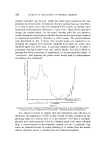
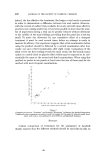
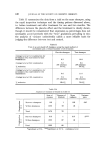
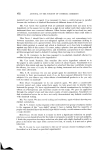
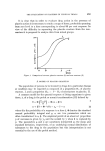
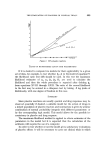
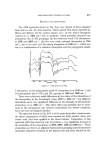
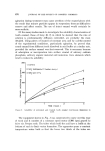
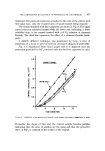
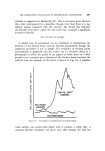
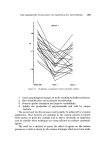
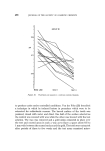
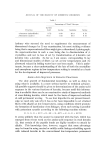
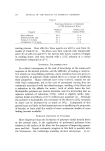
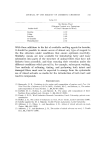
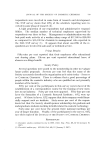
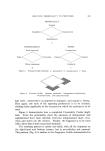
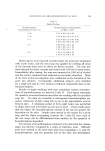
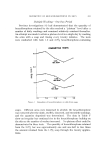
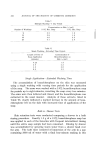
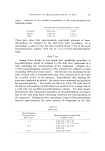
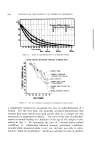
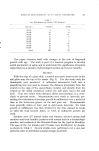
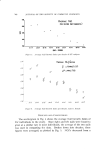
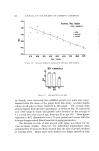
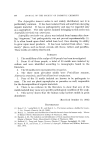
48O JOURNAL OF THE SOCIETY OF COSMETIC CHEMISTS This technique is obviously applicable to the study of the possible uptake of fluoride by enamel from a fluoride-containing product and some preliminary results which were obtained to prove the feasibility of the method can be described. Upper central incisors free from caries were selected and cut in half, one half to act as control and the other as test. The test halves were attached to the circumference of a disc fitted to the end of a stirrer spindle. When the stirrer motor was switched on, the test surfaces were arranged to brush lightly against the tips of toothbrush bristles set in the bottom of the beaker which contained the test solution. In the results which follow, the treatment was continued for 24 hr in an effort to ensure that some fluoride would be incorporated in the enamel. A light brushing with distilled water was given before the fluoride deter- mination was carried out as described above. Three consecutive 10 sec etches were given and the fluoride in each determined. In some experiments 2000- ABRADED TEETH 1:1 Toothpaste Slurry ETCHING TIME (seconds) UNABRADED TEETH 1:3 Toothpaste Slurry TREATED SURFACE ..... CONTROL SURFACE ----'-SIONIFICANCE LEVEL 2'o io Figure 13. The uptake of F- on enamel surfaces. the surface of the teeth was abraded to remove the layer of high fluoride content and so help to achieve more consistent results. Typical results, the average of six teeth per treatment, are shown in Fig. 13. The treatment in the first experiment was with a sodium fluoride/sodium phosphate
Purchased for the exclusive use of nofirst nolast (unknown)
From: SCC Media Library & Resource Center (library.scconline.org)