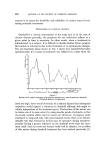
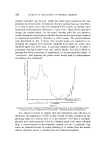
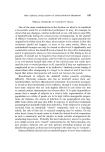
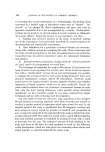
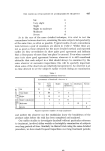
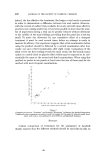
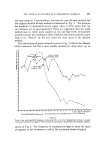
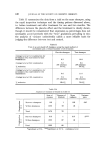
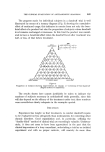
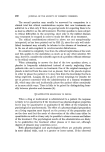
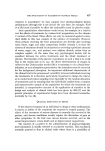
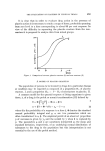
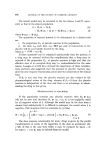
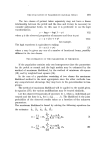
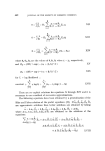
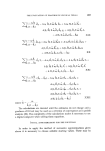
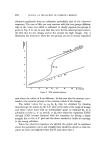
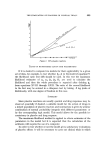
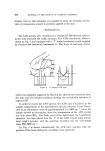
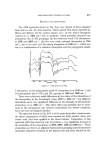
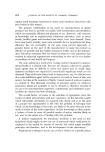
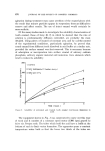
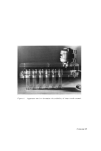
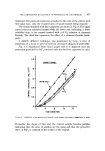
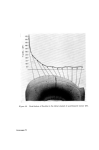
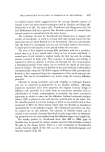
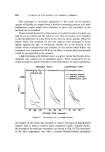
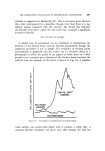
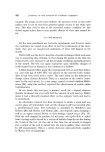
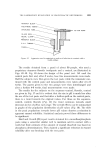
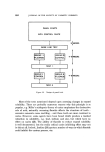
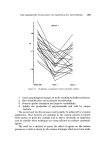
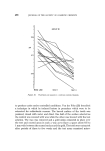
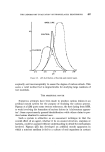
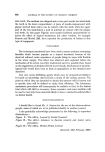
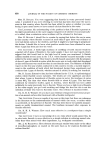
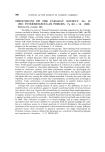
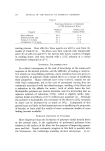
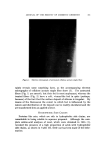
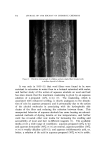
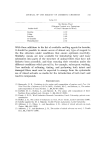
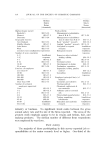
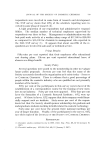
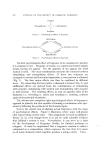
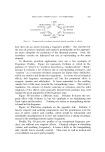
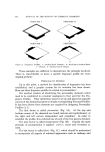
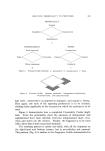
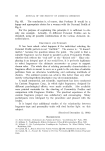
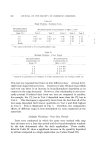
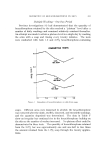
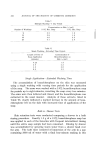
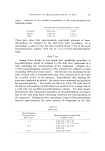
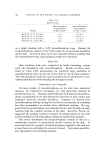
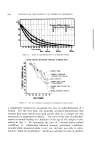
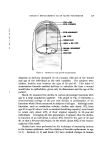
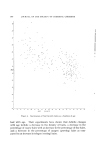
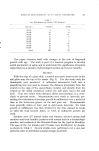
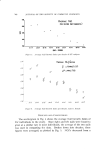
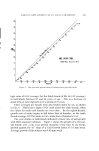
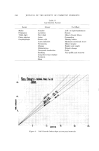
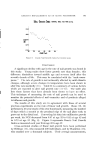
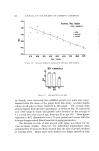
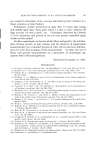
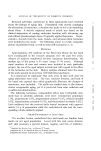
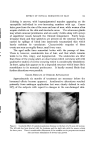
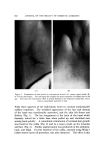
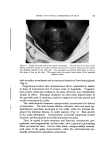
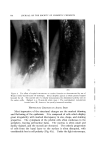
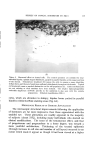
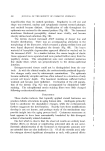
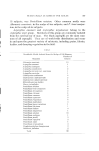
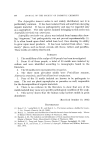
THE LABORATORY EVALUATION OF PROPHYLAoe TIC DENTIFRICES PERSPEX BLOCK POLYTHENE TUBI STAINLESS TUBE GLASS WELL METAL CLAMP• I TOO'I'H • TO AIR Pump Figure 1,•. Apparatus used to maintain a weak acid solution in contact with a tooth surface The results obtained from a panel of about 50 people, who used a proprietary stannous fluoride toothpaste and a control, are illustrated in Figs. 16-19. Fig. 16 shows the design of the panel test. All used the control paste first and, after 5 weeks, base line measurements were made. Half the subjects were then given the test paste while the remainder con- tinued with the control paste and measurements were taken after 4 to 8 weeks. The pastes given to the two groups were then interchanged and after a further 4-6 weeks, final measurements were made. The results for the subjects on the sequence-control, fluoride, control are given in Fig. 17 and it is evident that the rise in pH is much less after the use of the test paste and that after a further spell on the control paste, there is a trend towards the original values. For those on the sequence- control, control, fluoride (Fig. 18) the trend continues towards small decreases in rise of pH at each stage. The overall effects can be summarised in graphs of the population distribution of pH values (Fig. 19). The shift in the peak populations towards lower pH values denotes a reduction in apparent enamel solubility. Statistical analysis proved these differences to be significant. Herd and Overell (22) report results obtained for a monofluorphosphate paste using a somewhat similar well to maintain acid in contact with a tooth but their estimate of the amount of enamel dissolved was based on phosphorus determinations. They claimed a significant reduction in enamel solubility after one brushing with the test paste.

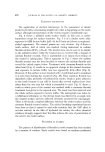
484 JOURNAL OF THE SOCIETY OF COSMETIC CHEMISTS PANEL STARTS WITH CONTROL PASTE I 5 WEEKS I I BASE LINE TEST FLUORIDE I / I I GROUP I CONTROL I I i i i i I TEST I TEST 2 ] GROUP Tr i CONTROLl 4-8 EKS I I •,, ! I I GROUP Tr I FLUORIDE I 4- 6 EEKS I Figure 16. Design of panel trial. Most of the tests mentioned depend upon assessing changes in enamel solubility. There are probably numerous reasons why this principle is so popular, e.g. Miller's acidogenic theory of caries emphasises the destructive role of acid naturally occurring fluoride affects the structure of teeth - excessive amounts cause mottling- and these teeth are more resistant to caries. However, some agents have been found which produce a marked reduction in solubility, e.g. lead, indium and zinc, but which have no effect on caries (23). The ability of fluoride to reduce enamel solubility is well documented, but the really critical caries inhibiting effect may not be this at all. Indeed, Jenkins (24) quotes a number of ways in which fluoride could inhibit the carious process, viz:
Purchased for the exclusive use of nofirst nolast (unknown)
From: SCC Media Library & Resource Center (library.scconline.org)