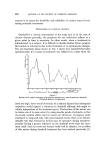
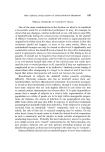
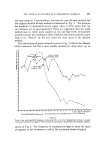
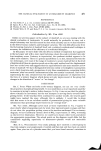
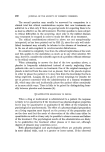
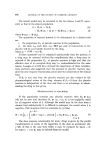
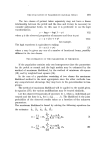
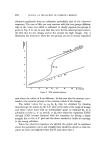
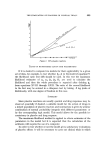
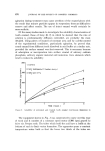
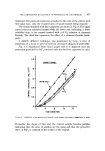
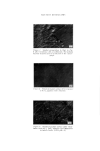
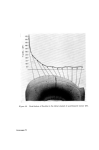
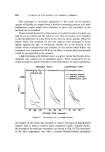
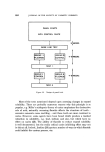
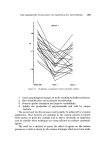
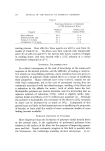
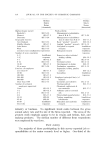
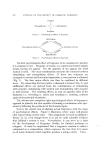
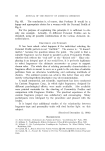
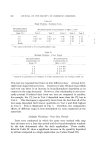
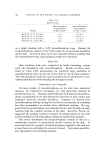
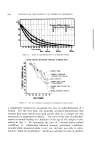
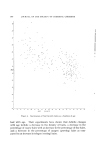
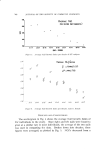
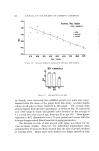
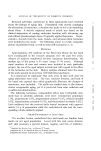
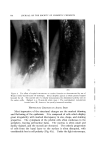
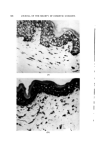
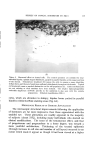
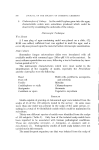
THE LABORATORY EVALUATION OF PROPHYLACTIC DENTIFRICES 485 3'8' pH 3.7 GROUP I BASE LINE TEST 1 TEST 2 Figure 17. 19 persons on sequence--control, fluoride, control. 1. Cause morphological changes in teeth resulting in shallower fissures. 2. Slow decalcification and accelerate recalcification. 3. Promote apatite formation and improve crystallinity. 4. Inhibit the production of polysaccharide and acid by plaque bacteria. The second and fourth processes could possibly be achieved by a topical application. That bacteria are essential to the carious process is known' from studies on germ-free animals and so this is obviously an important area to consider when techniques are being selected to evaluate cariostatic agents. The need for a method to assess the effect of agents on the carious process as a whole is shown by the various attempts which have been made

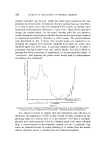
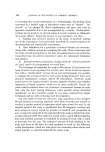
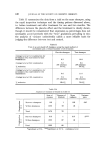
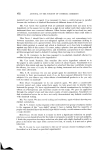
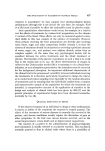
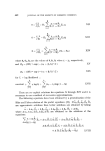
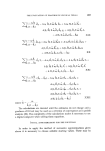
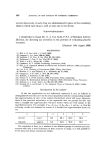
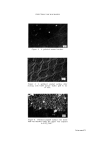
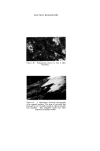
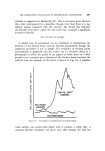
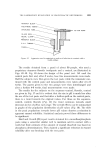
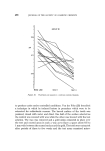
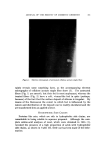
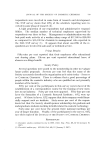
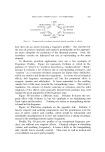
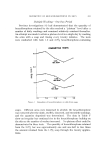
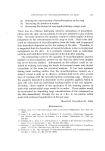
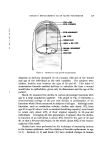
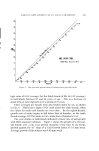
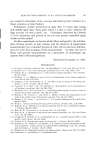
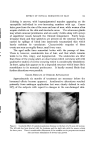
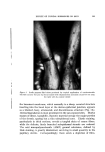
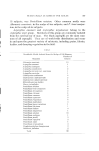
486 JOURNAL OF THE SOCIETY OF COSMETIC CHEMISTS 3'8 pH . 3'7- 3'6 gROUP BASE LINE TEST 1 TEST 2 Figure 18. 17 persons on sequence- control, control, fluoride. to produce caries under controlled conditions. Von der Fehr (25) described a technique in which he induced lesions in premolars which were to be extracted for orthodontic reasons. The buccal surface of the tooth was pumiced, rinsed with water and dried. One half of the surface selected as the control was covered with wax while the other was treated with the test solution. The wax was removed and a gold onlay cemented in place over the test and control areas in such a way as to leave a space about 0.5 to 1 mm wide between the enamel surface and the gold. The teeth were extracted after periods of three to five weeks and the test areas examined micro-
Purchased for the exclusive use of nofirst nolast (unknown)
From: SCC Media Library & Resource Center (library.scconline.org)