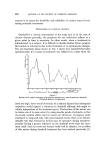
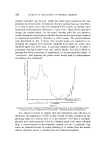
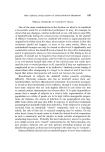
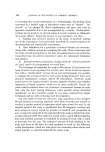
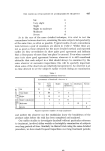
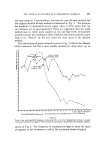
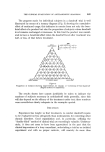
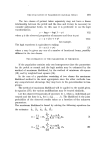
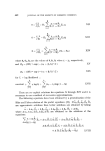
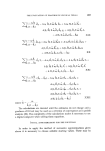
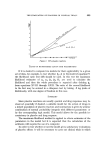
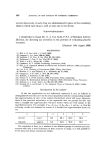
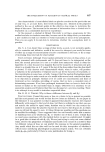
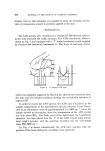
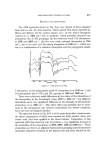
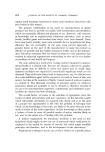
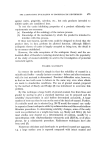
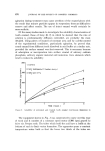
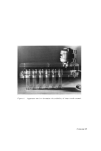
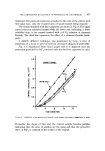
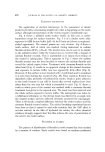
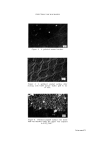
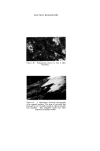
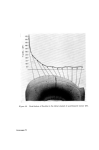
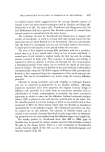
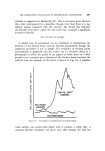
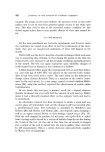
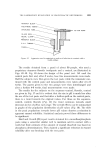
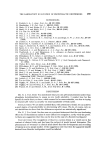
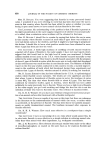
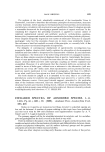
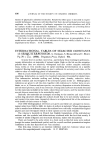
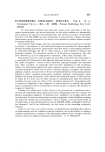
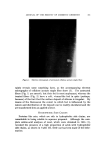
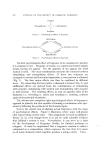
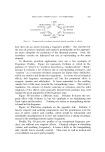
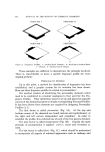
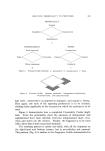
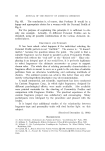
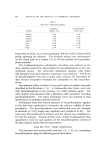
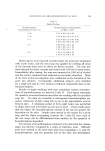
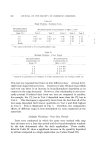
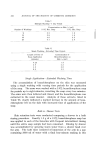
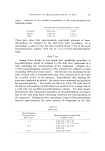
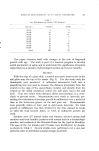
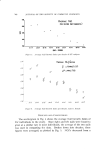
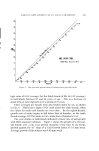
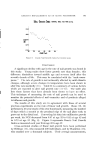
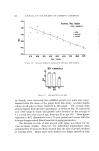
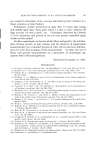
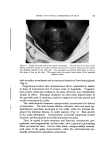
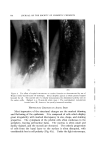
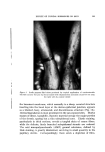
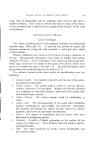
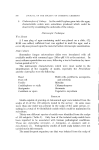
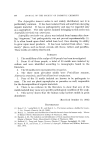
522 JOURNAL OF THE SOCIETY OF COSMETIC CHEMISTS Neutral Tranquilizing, , Stimulating ß ß Erogenic Figure 1. Psychological effects of fragrance NEUTRAL TRANQUILIZING STIMULATING EROGENIC Figure •. Psychological effects of fragrance The first psychological effect of fragrance to be considered is whether it is erogenic or not. Erogenic, of course, is a coined word which simply means having sex appeal. For the opposite of sex appeal, the word neutral is used. The next consideration concerns the contrast between stimulating and tranquilizing effects. If these two contrasts are arranged in vertical and horizontal opposition, a cross pattern is obtained (Fig. 1). The four major effects can then be combined in different ways. By connecting the four points, a diamond is formed (Fig. 2), and additional effects are derived from the combinations of stimulating with erogenic, stimulating with neutral and tranquilizing with erogenic or with neutral. The resulting effects, as seen on opposite sides of the diamond, i.e., refreshing rs. sultry and exhaltin,g rs. soothing, conform again to the principle of polarity. The scheme now comprises eight psychological effects of fragrances, opposed to polarity but also capable of forming a continuous odor spec- trum by following the perimeter of the rhombic figure. Next is the crudal step of aligning actual fragrances with the range of psychological effects. Figure 3 illustrates where some well-known odor types belong on the chart. This assignment is based on Jellinek's theory (2, 3), even though there is as yet no valid scientific evidence that Jellinek's system is true. Nevertheless, it can serve as a basis for the development of Fragrance Profiles for finished perfumes or colognes. It must be emphasized that a fragrance creation is called a compound or a composition, which expresses the fact that it is made up of many elements which together produce a unique entity. Then--

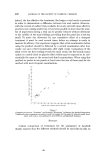
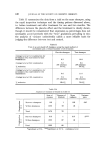
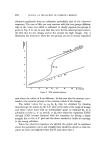
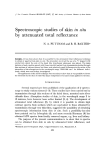
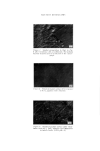
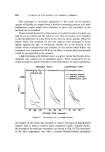
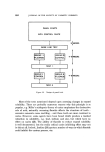
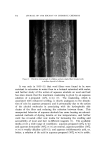
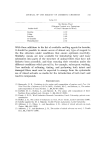
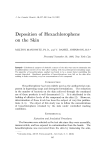
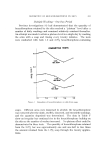
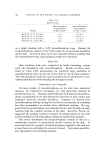
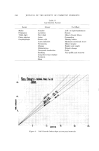
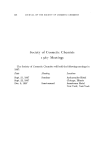
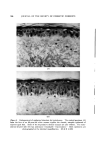
RELATING PERSONALITY TO PERFUMES 523 LiME = AMBER • MUSK JASMIN Figure 3. Representative perfume materials placed according to effects how does one go about charting a fragrance profile? One searches for the area of greatest emphasis and marks it prominently on the appropri- ate place alongside the perimeter of the diamond pattern. Next, the secondary accents are indicated but not as outstanding as the main element. To illustrate practical application, here are a few examples of Fragrance Profiles. Figure 4A represents Perfume A, which in the parlance of "what it is" would be described as "modern-floral", "floral" because it contains a lot of flower oils or corresponding aromatics, and "modern" as a consumer-oriented synonym for higher fatty aldehydes, which are another and distinctive ingredient. In terms of psychological effects, this fragrance encompasses all, but the prominent effect is erogenic (jasmin and aldehydes). It leans somewhat to the exalting (musk) but a little more towards the tranquilizing (rose). This relative roundness, the absence of drastic contrasts or extremes, and the mild emphasis of the effects most generally desired from perfume may well explain the great popularity of this fragrance type. Figure 4B describes a different story. Perfume B shares the ero- genie effect with Perfume A, but the emphasis is on stimulating and fresh (spice and lavender). Nothing of a sultry or tranquilizing nature is found in this fragrance. Figure 4C illustrates emphasis on the opposite side. Perfume C has its erogenic and exalting components, but the prominence is in the area of sultry (amber and vanilla), which would be unbearable and artistically unsatisfactory if it were not balanced by a strong secondary accent in the soothing-neutral region (bergamot). Finally, Fig. 4D gives the profiles of an exceptional fragrance pro- duct, one without any erogenic effects. Classical cologne is refreshing (citrus) and soothing (bergamot) it leans a little to the tranquilizing side (neroli) but is sexually neutral. Thus men as well as women and even child ten can use it quite properly.
Purchased for the exclusive use of nofirst nolast (unknown)
From: SCC Media Library & Resource Center (library.scconline.org)