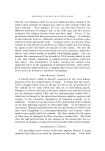
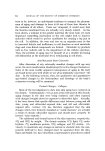
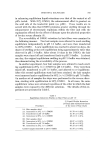
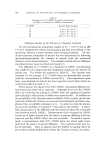
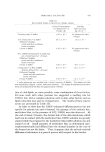
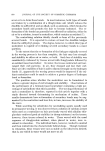
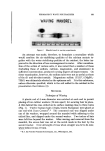
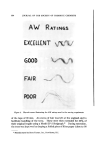
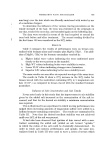
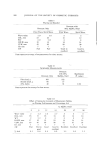
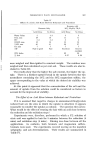
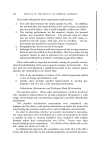
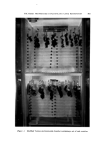
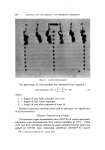
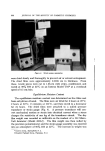
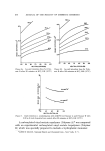
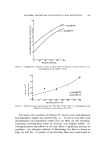
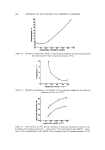
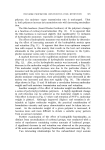
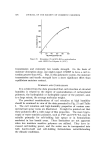
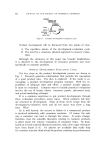
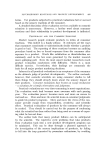
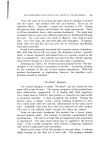
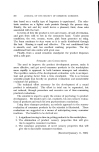
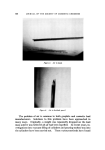
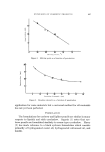
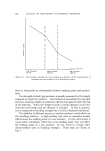
870 JOURNAL OF THE SOCIETY OF COSMETIC CHEMISTS 75.0 72.0 53.0 69.0 • 6 0 •o 6.0 • ß • 3 o• •o • • •o oo ,o •oo NEUTRALIZATI• (%) NEUTRALIZATION Figure Ga. Iso-curl retention lines for Poly- Figure Gb. Iso-•rl reten•on lines for Poly- mer B after 30 minutes at 90% RH (22øC) mer B after 180 minutes at 90% RH (22øC) Figure 7. i- z i.i.i i- ._1 •c z c C•'•..,i•...•.• pOLYMER"B" "A" •'o & • ,6o NEUTRAL)ZAT, ON, (%) Curl retention rs. neutralization with AMPD for Polymer A and Polymer B with 0.09 g of resin deposited per swatch after 30 minutes at 90% RH (22øC) A carboxylated vinyl acetate copolymer (Polymer A)* was compared with an experimental carboxylated vinyl acetate terpolymer (Polymer B) which was specially prepared to include a hydrophobic monomer. * RESYN 28-1310, National Starch and Chemical Corp., New York, N.Y.

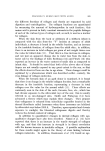
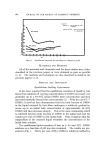
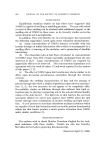
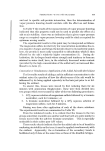
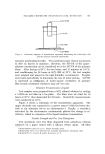
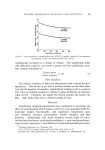
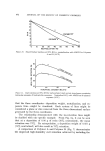
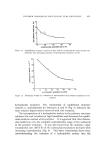
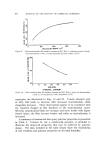
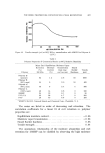
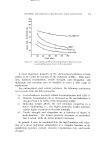
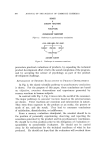
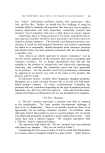
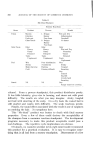
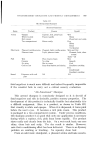
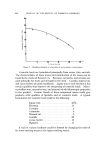
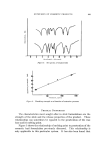
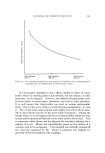
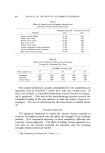
POLYMER PROPERTIES INFLUENCING CURL RETENTION 871 2 o• • POLYMER "A" i-: 10 m Z • 'MER" B" OL'Y o 6 cr 5 m_ 4 o •2 o i 0 20 40 60 80 100 NEUTRALIZATION {%) Figure 8. Equilibrium moisture content at 90% RH for Polymer A and Polymer B vs. neutralization with AMPD (22 øC) 4.0 3.6 5.2 2.8' POLYMER"B"POLYMER NEUTRALIZATION (%) Figure 9. Moisture vapor transmission rate (MVTR) at 90% RH vs. neutralization with AMPD for Polymer A and Polymer B (22øC) The mean curl retention of Polymer B varied as the neutralization and deposition weight was altered (Fig. 5). It can be seen that both neutralization and deposition weight have an effect on curl retention. Increasing neutralization tends to decrease curl holding ability in- creasing polymer deposition on the hair offers a significant increase in retention. An alternate method of illustrating the data is shown in Figs. 6a and 6b. A system of iso-retention lines was constructed so
Purchased for the exclusive use of nofirst nolast (unknown)
From: SCC Media Library & Resource Center (library.scconline.org)