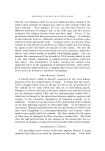
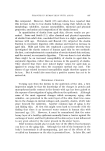
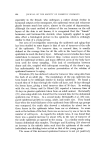
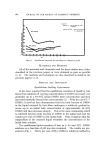
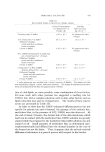
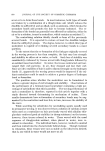
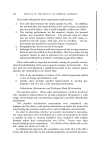
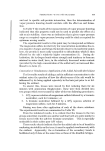
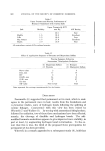
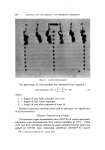
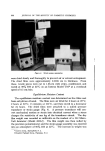
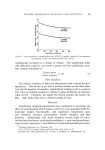
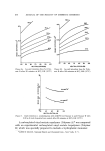
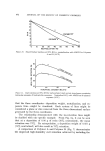
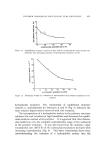
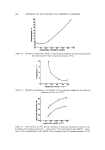
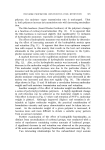
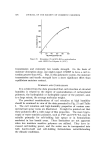
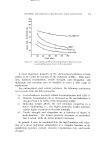
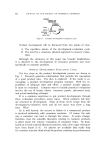
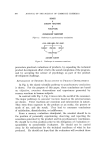
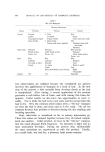
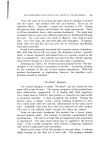
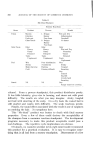
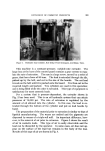
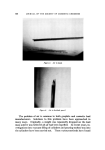
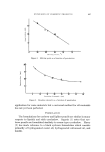
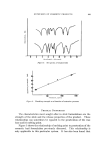
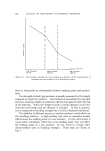
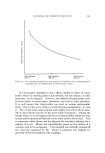
872 Figure 10. JOURNAL OF THE SOCIETY OF COSMETIC CHEMISTS 16 12 1 4 POLYMER "A"•,•,.••• 2 0 0 I0 20 30 40 50 60 70 80 NEUTRALIZATION (%) Sward Rocker hardness at 90% RH vs. neutralization with AMPD for Polymers A and B (22øC) 80. _o 70 z ,.,- 60 o 50, z 4½ 0 20 40 60 HYDROPHOBIC MONOMER (MOLE%) Figure 11. Curl retention at 90% RH for carboxylated vinyl acetate terpolymers containing increasing amounts of hydrophobic •nonomer. Neutralized 40% with AMPD at 30 minutes exposure (22øC) that the three coordinates--deposition weight, neutalization, and ex- posure time--might be visualized. Each system of lines might be considered a plane or slice removed from the three-dimensional surface generated by the three coordinates. The relationship demonstrated with the iso-retention lines might be clarified with one specific example. From Fig. 6a, it can be seen that at a deposition of 0.06 g of resin (50% neutralized), the mean retention was 75%. By extrapolation, a deposition weight of 0.075 g (75% neutralized) will also result in 75% retention. A comparison of Polymer A and Polymer B (Fig. 7) demonstrates the improved high-humidity curl retention achieved by including the

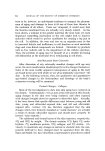
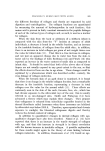
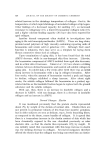
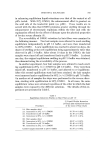
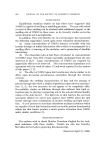
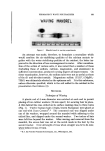
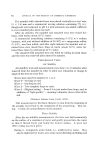
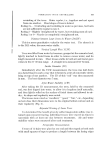
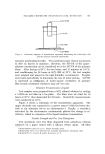
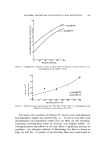
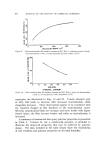
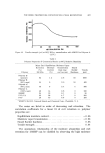
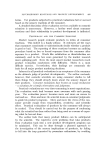
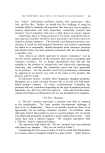
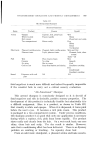
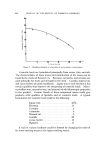
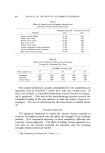
POLYMER PROPERTIES INFLUENCING CURL RETENTION 873 øo 20 40 60 HYDROPHOBIC MONOMER, MOLE (%) 8O Figure 12. Equilibrium moisture content at 90% RH for carboxylated vinyl acetate ter- polymers with increasing amounts of hydrophobic toohomer (22øC) Figure 13. 50' x 40' '" 50 • 20 (,.) o o io 0- o t• 2'0 3'0 ,• 5'0 6• ?• HYDROPHOBIC MONOMER, MOLE(%) Molecular weight as a function of carboxylated vinyl acetate terpolymer COlll- position hydrophobic monomer. The relationship of equilibrium moisture content rs. neutralization for Polymers A and B (Fig. 8) indicates the same relative improvement observed with curl retention. The incorporation of a hydrophobic moiety in the polymer structure enhances the curl retention at high humidities and decreases the equilib- rium moisture content of the polymer. It is apparent that this relation- ship holds true over the complete neutralization range of the carboxyls in the polymer structure. It was also found that the moisture vapor transmission rate (MVTR) of the carboxylated polymers increases with increasing neutralization (Fig. 9). This latter relationship shows that, notwithstanding the inclusion of a hydrophobic moiety into the
Purchased for the exclusive use of nofirst nolast (unknown)
From: SCC Media Library & Resource Center (library.scconline.org)