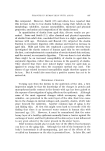
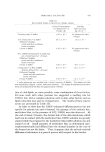
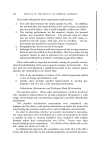
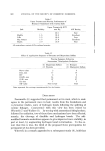
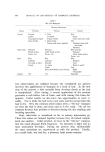
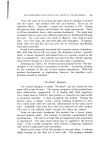
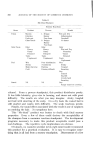
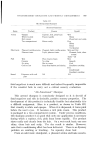
i'SYCHOSENSORY REACTIONS AND PRODUCT DEVELOPMENT 889 Table III Me-Sensational Shampoo Sensory Reactions Sense Product Process Result Vision Opaque Copious, rich, pink foam Wet White to pink Foams rapidly Shiny Rich cream Clean hair and scalp Two-compartment Rinses easily Dry Shiny Clean No flyaway Odor-taste Pleasant vanilla aroma Pleasant, light vanilla aroma Wet and Dry Pleasant taste Light, pleasant taste Pleasant, faint, dean aroma Taste--nil Feel Wet Wet, creamy foam Wet Creamy No sting Smooth No sting Hot to warm Cool Cold to hot Easy distribution and rinsing Excellent combing Dry Conditioned Excellent combing Sound Dispenses with soft Nil Nil purr fatal negatives is much more difficult and indeed frequently impossible if the scientist fails to carry out a critical sensory evaluation. "Me-Sensational" Shampoo This aerosol shampoo is consciously designed so it is devoid of fatal negatives and rich in desirable, positive sensory properties. The development of this product is technically feasible but admittedly it is a difficult assignment. Here is a product, as shown in Table III, that visually is white and opaque. When it is dispensed, it turns pink before the user's eyes. It becomes a rich pink cream. This product is packaged in a two-compartment system. Under process conditions, this shampoo product is so good that only one application is necessary during which a copious, rich, pink foam forms rapidly. The product rinses easily and cleanly from the hair. On a wet result basis, one sees shiny, clean hair and scalp. The dry result is similar. However, note that a conditioning effect has been delivered. There is no flyaway problem on combing or brushing. No squeaky clean hair. From an odor-taste standpoint, a pleasant aroma and taste associa-

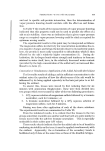
89O JOURNAL OF THE SOCIETY OF COSMETIC CHEMISTS tion based on a vanilla type of fragrance is experienced. The odor- taste reaction on a lighter scale persists through the process step. Finally, the wet and dry result leaves a pleasant, faint, clean odor associated with the hair. In terms of feel, the product is wet and creamy, devoid of irritation, and goes from cold to hot in the consumers hand. Under process conditions, the wet, creamy, warm, pink foam generates no sting. The foam continues to stay warm as it is easily distributed through the hair. Rinsing is rapid and effective. The wet conditioned hair is smooth, cool, and has excellent combing properties. The dry conditioned hair also combs with great ease. Finally, from a sound sensation standpoint the product dispenses with a soft purr. SUMMARY AND CONCLUSIONS The need to improve the product development process, make it more effective, and get novel consumer products to the marketplace more rapidly is apparent to both business managers and scientists. The repetitive nature of the development-evaluation cycle is an impor- tant and growing factor from a time standpoint. This is so because scientific people lean heavily on practical evaluations and nonscientific evaluators for guidance. The technical effort necessary for the development of a sound product is substantial. This effort in total can be segmented, but not reduced, through premature and excessive use of time-consuming practical evaluations. The scientist is urged to apply the science of psychology to product development. He should carry out, routinely, his own sensory evalua- tions of products and reach his own psychosensory conclusions. Using three shampoo products, an orderly approach to the sensory evaluation of consumer products by the scientist is illustrated. These evaluations are suggested as a means of anticipating many consumer reactions. The benefits to be derived are: 1. A significant saving in time in getting products to the marketplace. 2. The elimination of product sensory properties that will give rise to negative consumer reactions. 3. The conscious generation of novel sensory properties that will give rise to favorable consumer reactions. (Received January 11, 1968)
Purchased for the exclusive use of nofirst nolast (unknown)
From: SCC Media Library & Resource Center (library.scconline.org)