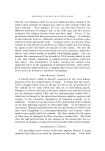
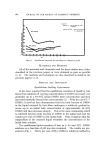
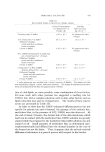
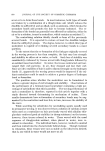
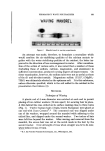
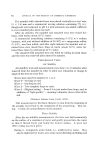
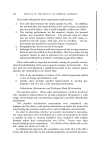
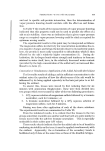
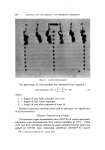
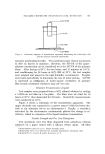
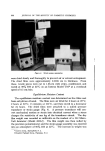
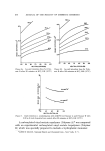
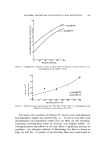
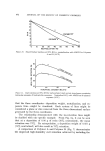
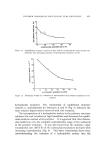
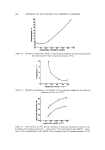
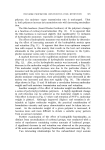
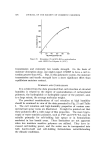
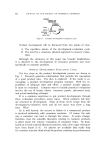
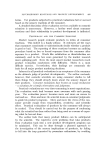
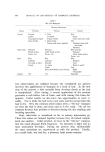
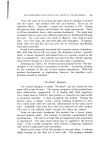
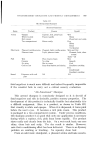
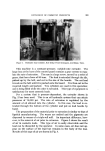
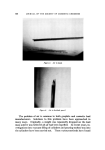
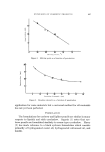
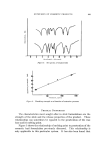
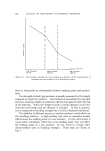
EXTRUSION OF COSMETIC PRODUCTS 899 I I I I I 4 8 I I ! I I Wavelength, (microns) Figure 8. IR spectra of triglycerides [ 25 •, 20 Q• ,• 15 • 1o • 5 Figure 9. 500 1000 1500 Pressure, (psi) Break{ng strength as a function of extrus{on pressure PHYSICAL PROPERTIES The characteristics most sought after in stick formulations are the strength of the stick and the release properties of the product. These relationships can sometimes be equated to the penetration of the wax base and its melting point. Figure $ shows the relationship of melting point to penetration of the cosmetic lead formulation previously discussed. This relationship is only applicable to this particular system. It has also been found that

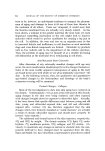
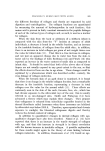
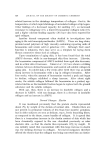
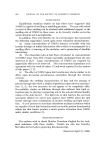
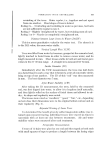
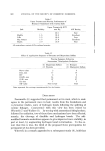
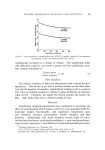
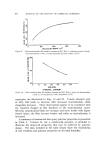
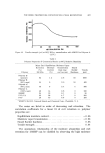
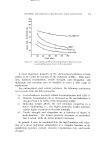
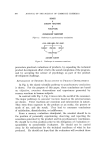
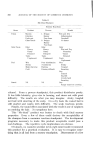
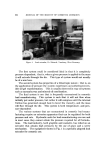
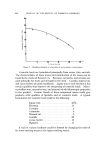
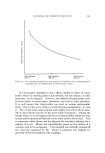
900 JOURNAL OF THE SOCIETY OF COSMETIC CHEMISTS I I 20• Carnauba 10• Carnauba O• Carnauba Oil 10• Oil 20• Oil Figure 10. The extrusion pressure of a wax system as a function of the concentration of carnauba wax and mineral oil in a thixotropic system there is frequently no relationship between melting point and penetra- tion. The strength of stick-type products is usually measured by the weight required to break the product. One method of measuring the strength involves a moving weight on a fulcrum with the lead placed under the end of the fulcrum. When the weight travels a certain distance of the ful- crum the lead breaks and the distance is recorded. In Fig. 6, penetra- tion is compared to breaking strength for a 0.162-in. diameter black lead. The addition of different waxes to a system can have varied effects on the resulting mixture. A high-melting wax such as carnauba usually will increase the melting point of a wax mixture. On the other hand, a cocoa butter substitute, which has a low melting point, may not affect the melting point of a wax mixture. It can, however, change other characteristics such as breaking strength. These data are shown in Fig. 7.
Purchased for the exclusive use of nofirst nolast (unknown)
From: SCC Media Library & Resource Center (library.scconline.org)