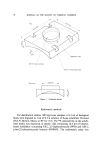
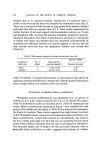
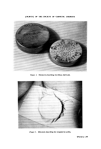
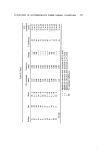
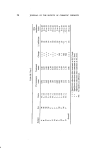
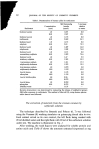
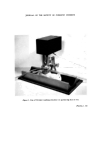
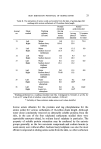
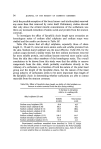
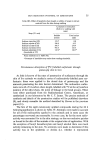
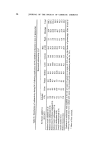
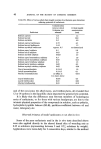
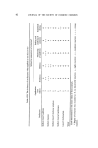
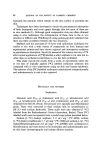
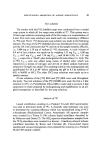
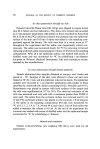
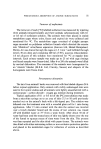
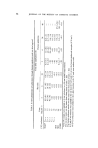
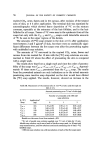
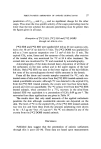
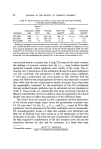
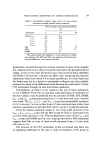
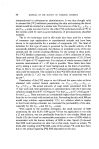
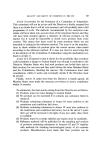
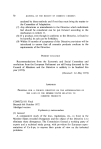
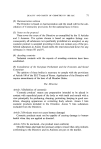
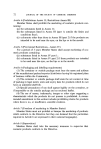
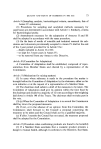
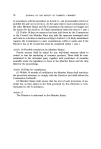
32 JOURNAL OF THE SOCIETY OF COSMETIC CHEMISTS Table I. Denaturation of human callus by surfactants Surfactant SH liberated/g % increase Concentration keratin relative (mM) (•tmol) to water Sodium laurate 1.0 1.071 0.0 10.0 1.567 38.1 Sodium lauroyl 1.0 1.135 0.0 isethionate 10.0 2.049 84.5 Sodium lauryl 1.0 1.135 0.0 sulphate 10.0 2.03 78.9 Sodium lauryl 1.0 1.407 24.0 sulphonate 10.0 1.998 76.0 Sodium lauryl 1.0 1.135 0.0 monoethoxy sulphate 10.0 1.982 74.6 Sodium lauryl 1.0 1.47 9.9 triethoxy sulphate 10.0 1.583 39.5 1-(p-benzene sodium 1.0 1.311 15.5 sulphonate)-dodecane 10.0 1.583 39.5 6-(p-benzene sodium 1.0 1.055 0.0 sulphonate)-dodecane 10.0 1.839 62.0 Lauryl mono- 1.0 1.135 0.0 ethoxylate 10.0 1.135 0.0 Lauryl triethoxylate 1.0 0.96 0.0 10.0 0.975 0.0 Lauryl hexa- 1.0 0.959 0.0 ethoxylate 10.0 0.975 0.0 Distilled water -- 1.135 -- Keratin denaturation was determined by measuring the release of sulphydryl groups (SH) after exposure to surfactants. The method of Hartold (5), using human plantar callus keratin was followed. The extraction of materials from the stratum corneum by surfactant solutions The technique described by Smeenk and Polano (6, 7) was followed using the Vermeer (8) washing simulator on guinea-pig dorsal skin in vivo. Each animal served as its own control, the left flank being washed with 20 ml distilled water and the right flank with 20 ml of the surfactant solution under test. The machine is illustrated in Fig. 1. After washing, the wash liquors were analysed for soluble protein and amino acids and Table H shows the amounts extracted (expressed as mg

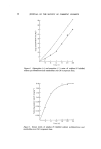
JOURNAL OF THE SOCIETY OF COSMETIC CHEMISTS Figure 1. Use of Vermeer washing simulator on guinea-pig skin in vivo. (Facing p. 32)
Purchased for the exclusive use of nofirst nolast (unknown)
From: SCC Media Library & Resource Center (library.scconline.org)